




Go Beyond Sabzi and Dal
Most of us associate a seasonal produce calendar with planning our main meals—thinking about which vegetables will go into our sabzis, curries, and dals. But this is only half the story. The real magic happens when you use the same calendar to inspire
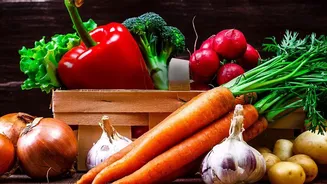
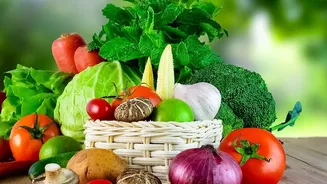
every part of your daily food intake. India's diverse climate means a single national calendar is a myth; what's fresh in Maharashtra might differ from Punjab. The key is to find a local produce calendar, often available online or from local agricultural groups. Once you know what's in season near you—from leafy greens in winter to gourds in summer and fruits like mangoes and jamuns in their peak seasons—you can build a smarter, more efficient shopping list. This list becomes your master plan for the week, ensuring that the same fresh ingredients are used creatively across meals, snacks, and tiffins, reducing waste and maximizing flavour.
Snack Smart with Seasonal Goodness
Snacking is often where healthy eating habits fall apart. Instead of reaching for packaged goods, let your seasonal calendar guide your snack prep. During the hot summer months, when cucumbers and tomatoes are abundant, think beyond salads. Slice cucumbers into sticks for a cooling snack with a simple yoghurt dip. Cherry tomatoes can be eaten whole or quickly pan-fried with a pinch of salt. When the monsoon arrives, corn is king. A simple roasted bhutta or a quick masala corn chaat is a perfect evening snack. Winter brings a bounty of root vegetables like carrots and sweet potatoes. Carrots can be cut into sticks for munching, while sweet potatoes can be roasted with spices for a hearty, warming treat. The principle is simple: identify one or two seasonal items and prep them in a snack-friendly format at the beginning of the week.
Reinvent the Packed Tiffin
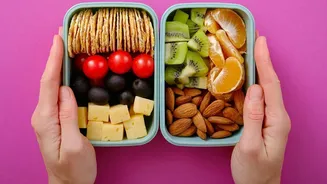
The daily tiffin or lunchbox is another area ripe for seasonal innovation. Using seasonal produce here ensures variety and prevents meal fatigue. A packed lunch doesn’t have to be a complicated affair. Simple additions can make all the difference. If peas are in season during the winter, a simple pea-pulao makes for a delicious and easy lunch. If you've bought a bunch of spinach, use some for your dinner palak paneer, but set aside a portion to make spinach parathas for the next day's lunch. During summer, gourd vegetables like lauki or ridge gourd can be used to make flavourful curries that pack well, while grated carrots or beets can be turned into a quick side salad or added to yoghurt for a simple raita. By prepping components—like a stir-fried vegetable palya or masala baby potatoes—you can easily assemble a balanced and exciting meal each morning.
A Simple Weekly Workflow
Integrating this approach doesn't require a complete overhaul of your routine. It just requires a slight shift in planning. Start by dedicating 20 minutes each weekend to this simple workflow: 1. Check Your Local Calendar: See what fruits and vegetables are at their peak in your region for the upcoming week. Focus on two or three vegetables and one or two fruits. 2. Plan Main Meals First: Decide on a few main dishes for your dinners using those seasonal picks. 3. Add Snacks and Packed Lunches: Now, think about how the same produce can be used for snacks and tiffins. Can the carrots for your sambar also be cut into sticks for snacking? Can the extra cauliflower from your gobi sabzi be used for a packed paratha? This is the crucial step. 4. Build Your Shopping List: Create a single, consolidated grocery list based on your plan. This ensures you buy only what you need, saving money and preventing food from languishing in your fridge.