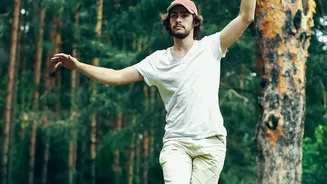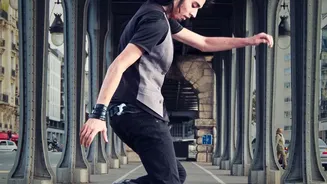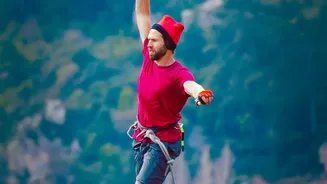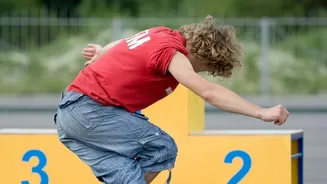






At its core, balance is our body’s silent conversation with gravity. While we all rely on this sense, activities like hiking and skateboarding elevate it to an art form, showcasing two vastly different but equally complex approaches to stability.
The Unseen Sense: Proprioception
Before
diving into trails and ramps, it’s crucial to understand proprioception. This is often called our 'sixth sense'—the body’s innate ability to perceive its own position and movement in space without relying on vision. Tiny sensors in our muscles and joints, called proprioceptors, send constant updates to the brain about joint angles, muscle stretch, and pressure. This system is what allows you to walk up a flight of stairs in the dark or scratch an itch without looking. Both hiking and skateboarding are intense training grounds for refining this essential sense.
Hiking: Reactive Stability on Uneven Ground
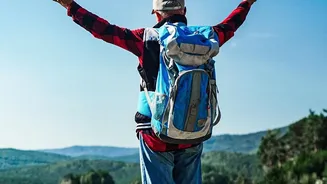
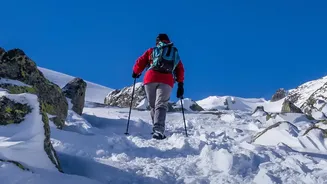
Hiking is a masterclass in reactive balance. Every step on a trail can introduce a new variable: a loose rock, a slippery root, or a sudden dip in the path. A hiker's balance system is in a constant state of response, making micro-adjustments to prevent a fall. This process heavily relies on the large muscle groups in the legs—quadriceps, hamstrings, and glutes—which act as powerful stabilisers. The core muscles are also critical, providing a stable foundation for the rest of the body, especially when carrying a backpack. The focus is on ground-up stability; the feet read the terrain, and the rest of the body adjusts accordingly. Ankles, in particular, must be strong and flexible to handle the unpredictable surfaces.
Skateboarding: Proactive Control on a Rolling Platform
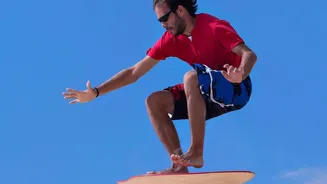
Skateboarding flips the script entirely. Instead of reacting to a stable but uneven surface, a skater must proactively control an unstable, moving platform. Here, balance is about dynamic, fluid adjustments. The core isn't just a stabiliser; it's the epicentre of control, connecting the upper and lower body to guide the board. Skaters lower their centre of gravity by bending their knees, creating a more stable base on a fundamentally unstable surface. Balance is managed through fine-motor skills, especially in the ankles and feet, which make thousands of tiny corrections to steer, ollie, and land tricks. It demands that the body and board become one synchronised unit, processing information in milliseconds to maintain momentum and flow.
Muscles and Mindset
While both activities provide a full-body workout, they recruit muscles differently. Hiking builds endurance and raw strength in the legs and core to power up hills and control descents. Skateboarding also builds strength, but it places a greater emphasis on quick-twitch muscle fibers and the intricate stabilising muscles around the joints. A 2023 study even found that the biomechanics of skateboarding promote greater trunk and hip flexion compared to walking, demanding more from knee extensors. The mental approaches also diverge. A hiker is often consciously scanning the trail ahead, deliberately planning their foot placement. A skateboarder, on the other hand, develops an intuitive, almost subconscious connection to the board. This flow state is crucial for executing complex tricks where conscious thought would be too slow. It's the difference between strategically navigating an obstacle course and dancing with it.