





As the winter chill sets in, our kitchens transform, welcoming seasonal produce that offers warmth and nourishment. Embracing winter's bounty is a delicious way to boost your health, and three ingredients stand out: methi, carrots, and millets.
Methi: The Warming Green Wonder
Fenugreek
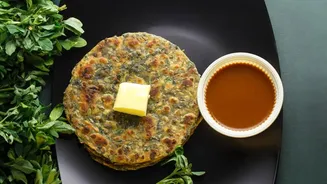
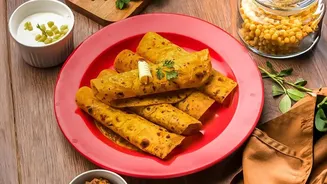
leaves, or methi, are a quintessential winter green in India for good reason. These aromatic, slightly bitter leaves are known to generate heat in the body, making them perfect for colder months. Traditionally valued in Ayurveda, methi is a powerhouse of nutrients, including fibre, iron, and vitamins A and C. This nutritional profile helps in boosting immunity, which is crucial during a season known for colds and flu. The soluble fibre in methi aids digestion and can help in regulating blood sugar levels by slowing the absorption of carbohydrates. Its anti-inflammatory properties are also a welcome benefit during winter. While its bitter taste can be an acquired one, it is beautifully balanced in classic dishes. You can easily incorporate it into your diet through flavourful preparations like Aloo Methi, Methi Thepla, or by adding it to dals and curries for a fragrant, healthy twist.
Carrots: For Immunity and a Winter Glow
Winter brings with it the sweet, vibrant red carrots that are a visual and culinary delight. More than just a tasty vegetable, carrots are a nutritional superstar during the cold season. They are exceptionally rich in beta-carotene, which the body converts into Vitamin A. This vitamin is essential for maintaining good vision, supporting a strong immune system, and keeping skin healthy and protected from winter dryness. Carrots are also a good source of antioxidants and fibre. The fibre content aids digestion and helps maintain stable blood sugar levels, which is especially helpful when winter diets tend to be heavier. Their natural sweetness makes them incredibly versatile. While Gajar ka Halwa is a beloved winter dessert, carrots can be enjoyed in numerous savoury dishes too. Add them to soups, stews, stir-fries like Gajar Methi Sabzi, or simply enjoy them raw as a crunchy, nutrient-dense snack.
Millets: The Ancient Grains of Winter
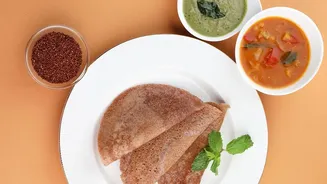
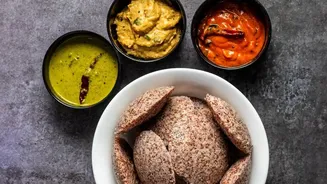
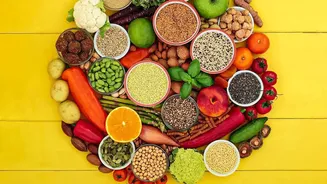
Millets such as Bajra (pearl millet) and Jowar (sorghum) are ancient grains that have long been staples of the Indian winter diet. These grains are naturally warming and provide sustained energy, making them ideal for combating the cold. Millets are gluten-free, high in fibre, and packed with essential minerals like iron, magnesium, and calcium. The high fibre content promotes satiety, aids in weight management, and supports a healthy digestive system, which can sometimes become sluggish in winter. Bajra is particularly noted for being rich in iron and for its ability to generate body heat during digestion. Jowar is another excellent choice, packed with protein and B vitamins that support metabolism. Incorporating these grains is simple. The classic Bajra Roti served with a dollop of ghee is a comforting winter meal. You can also prepare millet khichdi, porridge, or dosas for a wholesome and nourishing addition to your diet.