


Choose the Right Fabrics
During the monsoon, your choice of clothing fabric is critical. Cotton and denim are best avoided as they absorb moisture, become heavy, and take a very long time to dry in humid conditions. Instead, prioritise lightweight, synthetic materials like polyester
and nylon. These fabrics are quick-drying, meaning you can often wash them in your hotel sink and have them ready by the next morning. For cooler, high-altitude destinations, merino wool is an excellent choice as it regulates temperature, resists odours, and dries faster than cotton. Packing clothes made from these materials will keep you comfortable and prevent that persistent damp feeling.
Invest in Waterproof Outerwear
A reliable waterproof layer is non-negotiable. While an umbrella is useful for light showers, it can be impractical in windy conditions. A lightweight, breathable rain jacket or poncho is a far better investment. A good rain jacket will not only keep you dry but also act as a windcheater. Look for one that can be easily folded into a small pouch, making it convenient to carry in a daypack. This ensures you're always prepared for an unexpected downpour without being weighed down by bulky gear. For those on motorcycles, a quality breathable rain suit is a safety essential, not just a comfort.
Prioritise Footwear with Good Grip
Monsoon travel means navigating wet, slippery, and often waterlogged streets. Your footwear must be up to the task. Avoid wearing flip-flops, which offer poor grip, and closed shoes that trap water and can take days to dry. The best options are waterproof sandals with sturdy straps and a strong rubber sole for excellent traction. These allow your feet to dry quickly and reduce the risk of slipping. Having a reliable pair of shoes makes exploring wet landscapes much safer and more enjoyable.
Waterproof Your Belongings
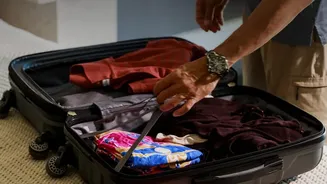
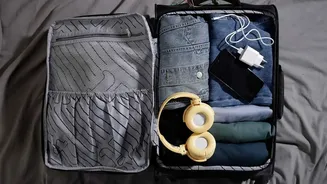
Protecting your electronics, documents, and clothes from moisture is a top priority. Start with a waterproof backpack or ensure your bag has a snug-fitting rain cover. Inside your main luggage, use smaller waterproof dry bags or even simple zip-lock bags to double-protect sensitive items like your phone, camera, passport, and wallet. This compartmentalisation not only keeps things dry but also helps with organisation. Tossing a few silica gel packets into your luggage can also help combat humidity by absorbing excess moisture.
Assemble a Monsoon-Specific First-Aid Kit
The risk of certain health issues increases during the rainy season. Your first-aid kit should be tailored accordingly. Alongside standard items like bandages and antiseptic wipes, include an insect repellent to protect against mosquito-borne diseases like dengue and malaria, which are more prevalent during this time. Also pack medication for common ailments like colds, fevers, and stomach upsets. Given the higher risk of water contamination, carrying water purification tablets or a reusable bottle with a filter is a wise precaution.
Pack Smart Power Solutions
Power cuts can be more frequent during the monsoon, especially in remote or hilly areas. A fully charged power bank is an absolute essential to keep your phone and other devices running during an outage. It ensures you can stay connected, access maps, and make emergency calls if needed. It’s also a good idea to carry a portable flashlight or a headlamp, which can be invaluable when navigating in the dark or during an unexpected power failure.