




The Grand Connectivity Plan
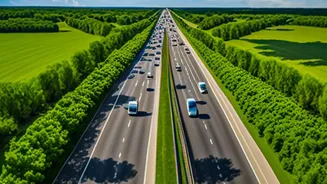
At the heart of this transformation are ambitious government initiatives like the Bharatmala Pariyojana, a massive programme focused on optimizing the efficiency of road traffic across the country. The goal is to build a modern, seamless network of economic
corridors, expressways, and feeder routes. Since 2014, India's National Highway network has expanded by 60%, adding tens of thousands of kilometres of high-quality roads. This is not just about laying asphalt; it is a strategic vision to connect previously isolated regions, boost economic activity, and make travel safer and faster for millions. Better roads handle a vast majority of passenger traffic, making them crucial for both commerce and leisure.
From Remote to Reachable
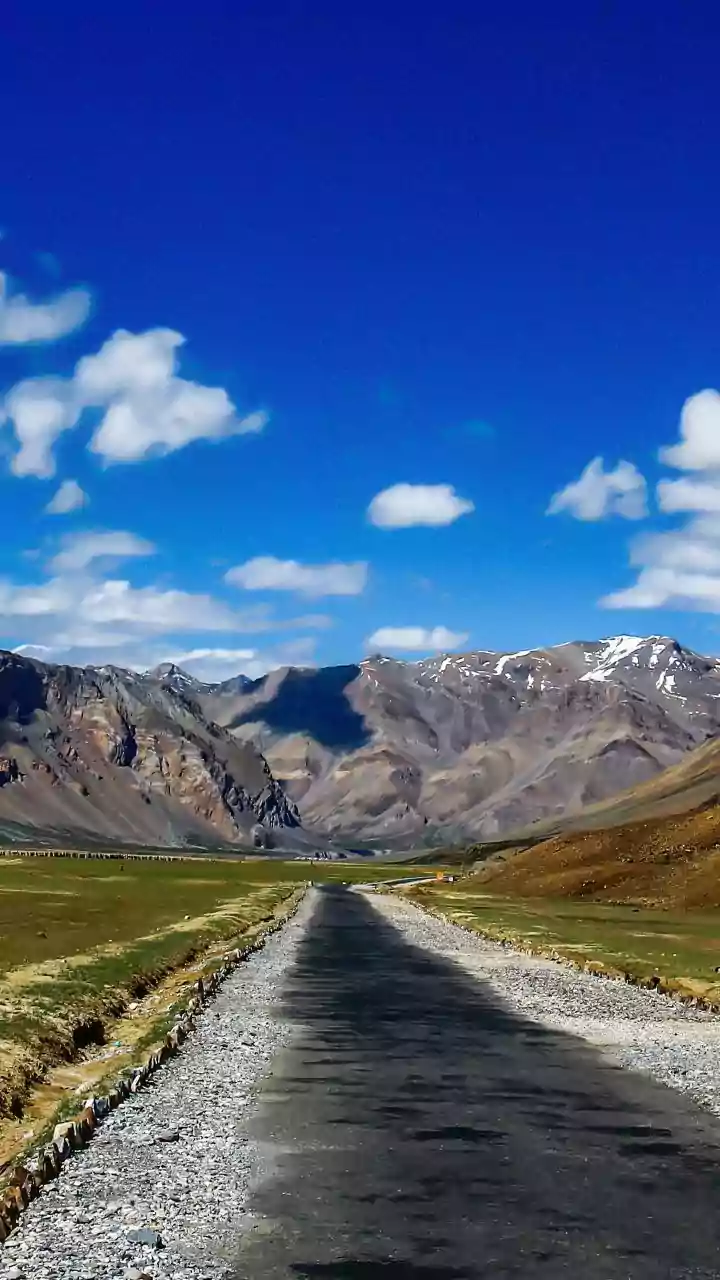
For decades, many of India's most beautiful landscapes remained hidden gems, their potential hampered by poor accessibility. New highway projects are changing that narrative at a breathtaking pace. In the Northeast, improved road and bridge connectivity is seen as a key driver for turning the region into a future 'growth engine' for tourism. Similarly, the construction of all-weather routes and tunnels in Jammu and Kashmir has dramatically improved access, contributing to a significant surge in tourist arrivals in recent years. For example, the Atal Tunnel has cut the journey between Manali and Leh by hours, opening up the Lahaul and Spiti region to year-round tourism. This enhanced connectivity is making it possible for travellers to explore destinations that were once considered too difficult to reach.
The Expressway Effect
The new Delhi-Mumbai Expressway is a prime example of this phenomenon in action. By slashing travel time between the two metropolises from over 24 hours to around 13, the expressway has turned a grueling journey into a manageable and even enjoyable road trip. More importantly, it has opened up a corridor of opportunity for towns and cities along its route. Destinations like Ranthambore National Park, Udaipur, and Vadodara are now easier to access. This has sparked the development of new roadside amenities, hotels, and restaurants to cater to the influx of travellers. The expressway is not just a route; it's a destination-enabler, encouraging travellers to make stops and discover places they might have otherwise bypassed.
A Boost for Local Economies
The impact of this infrastructure boom extends far beyond the travellers themselves. For local communities, these new highways represent a lifeline to economic prosperity. Improved access allows local artisans and farmers to reach larger markets, reducing waste and increasing income. In districts like Koraput in Odisha, the upcoming Bharatmala economic corridor is expected to transform the region into a sought-after travel destination, promoting its unique handicrafts and organic produce. This development creates a cycle of growth: new roads attract tourists, who spend money at local businesses, leading to job creation and empowering entrepreneurs in sectors from hospitality to retail. Studies have shown that improved connectivity can lead to a significant rise in local business revenues and household incomes in previously peripheral areas.
Redefining the Indian Road Trip
This new era of highways is fundamentally changing the culture of travel in India. The road trip is no longer seen as a daunting challenge but as an enjoyable experience. With better roads, safer driving conditions, and the development of world-class wayside amenities, more families and individuals are opting to explore the country by car. This shift is encouraging a more dispersed form of tourism, moving beyond the traditional, often overcrowded hotspots. As new routes become viable, travellers are discovering lesser-known attractions, spreading the economic benefits of tourism more evenly across the country and creating a more sustainable model for growth.