
What Exactly Is a Wardrobe Gap?
Before you can fill it, you have to know what it is. A 'wardrobe gap' is the space between the clothes you own and the clothes your actual life requires. It’s that moment you have a closet full of clothes but still feel like you have nothing to wear for a specific
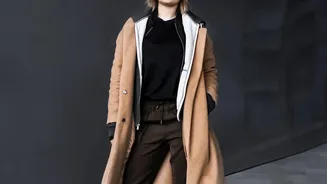
occasion. You might have plenty of great party dresses but no comfortable, smart trousers for a casual client meeting. Or perhaps you own several statement jackets but lack the simple, high-quality t-shirts to wear under them. That missing piece, the one you keep wishing you had to complete multiple outfits, is your wardrobe gap. It’s not about needing more clothes; it's about needing the right clothes to make what you already own more functional and versatile.
Enter the Micro-Trend Machine
Social media, particularly TikTok, has supercharged the trend cycle, giving birth to countless 'micro-trends'. These are fast-moving aesthetics with catchy, often amusing names: 'Mob Wife,' 'Quiet Luxury,' 'Balletcore,' or 'Eclectic Grandpa'. These labels are powerful because they create a sense of identity and community. They offer a ready-made mood board and a shortcut to a certain 'look.' However, this constant churn encourages overconsumption and can make your wardrobe feel dated in months, not years. The pressure to keep up with the latest named aesthetic can distract from a more fundamental goal: building a wardrobe that genuinely serves you. The endless stream of trends preys on our desire to fit in, pushing us to consume more rather than understand our own needs.
Old Ideas in New, Trendily-Named Packages
When you look closely, many of these buzzy micro-trends are simply repackaging classic style concepts. The 'Eclectic Grandpa' trend, for instance, celebrates comfortable, quality knitwear, tailored trousers, and vintage-inspired accessories—essentially a modern take on a timeless, menswear-inspired look. 'Quiet Luxury' is a new name for high-quality minimalism, focusing on excellent fabrics and classic silhouettes without logos. Even something as specific as 'Coastal Grandmother' boils down to a relaxed, elegant style built on pieces like linen shirts and comfortable trousers. By giving these enduring ideas a trendy name, the fashion cycle makes them feel new and urgent, compelling you to buy into an entire aesthetic rather than simply identifying the one or two classic pieces you might actually need.
How to Find Your Real Wardrobe Gaps
Tuning out the noise and focusing on your own closet is the first step. To identify your personal wardrobe gaps, start by thinking about your actual life, not an aspirational one. For one week, make a quick note of your daily activities and what you struggled to get dressed for. Did you feel you were missing a smart-casual jacket? A pair of comfortable yet stylish flat shoes? A versatile bag that wasn't too formal or too casual? These recurring frustrations are your clues. Another method is to look at the 'wardrobe orphans' in your closet—the items you love but never wear. Often, they remain unworn because you're missing the key piece needed to style them properly. By identifying what that missing link is, you’ll find a gap that, once filled, can unlock dozens of new outfits from clothes you already own.
Shop for Your Life, Not the Label
Once you have identified a gap, the goal is to fill it intentionally, not impulsively. Instead of searching for 'Eclectic Grandpa sweaters,' search for a 'well-made wool cardigan.' Instead of buying into the entire 'Coquette' aesthetic, ask yourself if what you truly need is simply a feminine blouse. This approach empowers you to appreciate trends for inspiration without becoming a victim of the cycle. You can admire the feeling of an aesthetic and extract the one element—be it a silhouette, a fabric, or a colour—that genuinely enhances your existing wardrobe. Building a lasting, personal style is about thoughtful curation, not trend collection. It’s about choosing pieces that are versatile, high-quality, and, most importantly, aligned with who you are and what you do every day.