


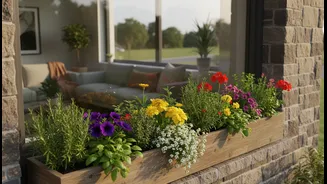


Your Balcony is a Vital Pit Stop
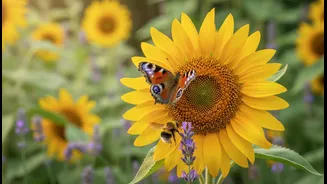
In urban landscapes dominated by concrete and glass, pollinators struggle to find food and shelter. These areas create gaps between parks and larger green spaces. A balcony garden, no matter its size, can act as a crucial refueling station for these insects
as they navigate the city. While a few pots won't replace a meadow, they create a network of mini-habitats. When many people create these small sanctuaries, the combined effect helps support urban biodiversity and connects fragmented green spaces, giving beneficial insects a fighting chance. Your small patch of green is a critical link in this urban ecosystem.
Choosing the Right Pollinator Plants
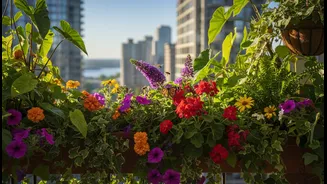
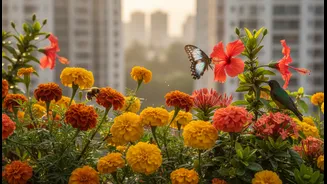
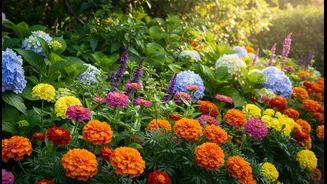
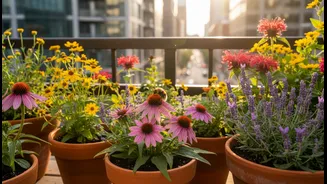
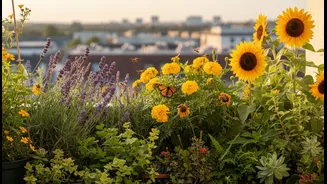
The key to a successful pollinator balcony is choosing plants that provide nectar and pollen. For Indian climates, many colourful and fragrant options thrive in containers. Consider flowers like Marigolds, Zinnias, Pentas, and Cosmos, which are known to attract butterflies. Lantana and Ixora are also excellent choices. Don't forget herbs; allowing Tulsi (Holy Basil), mint, and coriander to flower provides a feast for bees. For a sunny spot, Lavender is a fragrant option that bees love. The goal is to have a variety of shapes and colours to attract a diverse range of pollinators. Planning for blooms across different seasons ensures your balcony is a reliable food source year-round.
Smart Setups for Small Spaces
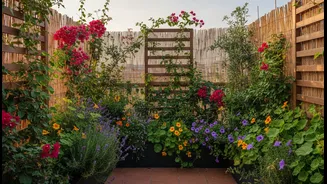
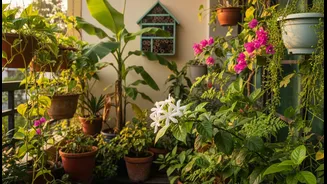
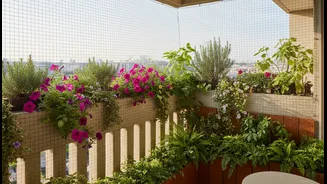
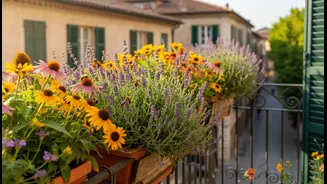
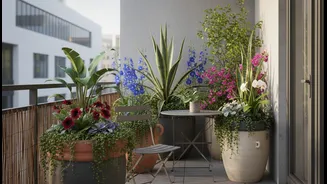
Container gardening is the perfect solution for balconies. Ensure your pots have good drainage holes to prevent root rot, a common issue in containers. Think vertically to maximize your limited area. Railing planters, hanging baskets, and wall-mounted pots can create a lush, layered look without taking up floor space. You can train climbing plants like Honeysuckle or Jasmine to grow up a trellis. Grouping pots together not only looks fuller but also makes it easier for pollinators to spot your garden from above. Varying the height of your plants creates a more dynamic and inviting habitat.
Don't Forget Water and Shelter
Flowers are food, but pollinators need water and a place to rest, too. You can easily create a bee bath by filling a shallow dish with pebbles, marbles, or small stones and adding a little water. The stones provide a safe place for bees to land and drink without the risk of drowning, which can happen in deeper water like birdbaths. This simple feature can be a lifesaver, especially during hot weather. Shelter can be just as simple. The dense foliage of your plants and groupings of pots can offer protection from wind and predators. You don't need a fancy insect hotel; just letting things be a little 'messy' creates the nooks and crannies that beneficial bugs love.
Go Organic and Ditch the Pesticides
Pesticides are one of the biggest threats to pollinators. What kills a pest can also harm or kill a beneficial bee or butterfly. Even if it doesn't kill them outright, pesticides can be carried back to the hive and cause wider contamination. Fortunately, there are many natural ways to manage pests on a balcony. A simple spray made from mild liquid soap and water is effective against soft-bodied insects like aphids. Companion planting can also help; growing mint can deter ants and aphids, while marigolds are also known to help. If you encounter fungal issues, a spray made from baking soda and water can be an effective and safe remedy.