


Phirni is a timeless Indian dessert, a creamy rice pudding beloved for its delicate flavour. But when the season arrives, a magical ingredient elevates it: sitaphal. So why does adding custard apple pulp work so beautifully in this classic sweet?
The Classic Canvas: Traditional Phirni
Before
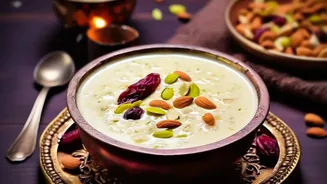
we introduce the fruit, it's essential to appreciate the foundation. Phirni is a North Indian dessert with roots often traced back to Mughal kitchens. Unlike kheer, which uses whole rice grains, phirni is made by cooking finely ground rice in milk. This simple difference is key; it yields a final product that isn't loose like a typical pudding but is exceptionally smooth, thick, and velvety. Slow-cooked to perfection, it is traditionally flavoured with aromatic spices like cardamom and saffron, then chilled and served in earthen bowls called 'shikoras'. These clay bowls not only provide a rustic presentation but also absorb excess moisture, making the phirni even thicker and imparting a subtle, earthy aroma.
Enter the Star: The Luscious Sitaphal
Custard apple, known as sitaphal in India, is a seasonal fruit treasured for its incredibly sweet, creamy flesh. Available between August and November, its bumpy green exterior hides a fragrant, delightful pulp with a unique flavour profile often compared to a mix of banana, pineapple, or pear with hints of vanilla. The texture is its true calling card—soft, luscious, and almost custard-like, which is where it gets its English name. While delicious on its own, sitaphal is a perfect ingredient for elevating desserts, lending both its distinctive taste and luxurious mouthfeel to dishes like rabdi, kulfi, and, of course, phirni.
A Match Made in Dessert Heaven
The addition of sitaphal pulp to phirni is a masterstroke of culinary synergy. It isn't just about adding a new flavour; it's about enhancing the very nature of the dish. The creamy, soft pulp of the sitaphal integrates seamlessly into the already smooth rice pudding, creating a dessert that is doubly rich and velvety. It transforms the texture from simply creamy to utterly decadent. Furthermore, the sitaphal brings its own natural, intense sweetness. This allows for a reduction in added sugar, resulting in a dessert that tastes fresh and fruity rather than just sugary. The fruit's unique tropical fragrance also complements the traditional phirni spices, creating a more complex and aromatic experience.
The Art of the Fusion
The technique for combining these two elements is crucial for the perfect outcome. Most recipes advise adding the deseeded sitaphal pulp after the phirni has been cooked and has cooled down slightly. There’s a very good reason for this. Cooking the delicate fruit pulp directly in the hot milk can alter its fresh flavour and cause the milk to curdle. By stirring it in at the end, the dessert retains the fresh, uncooked essence of the sitaphal. Some chefs even blend a portion of the pulp for a smooth consistency while folding in the rest whole to create delightful, crunchy bites within the creamy phirni. This careful method ensures the integrity of both the classic pudding and the seasonal fruit.
A Celebration of Seasonality
Incorporating seasonal fruits into traditional sweets is a hallmark of Indian cuisine, a way of celebrating nature's bounty. Just as mangoes find their way into everything from lassi to shrikhand in the summer, the arrival of sitaphal in autumn and early winter prompts its use in a variety of desserts. Sitaphal Phirni is more than just a fusion dish; it is a seasonal delicacy that marks a specific time of year. It represents a culinary tradition that is both rooted in history and joyfully adaptive, taking a beloved classic and giving it a fresh, timely, and utterly delicious twist.