




The Preservation Predicament
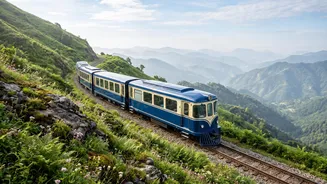
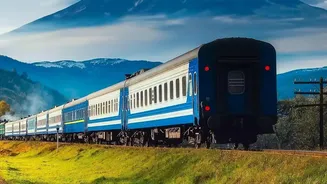
India's heritage railways, like the Kalka-Shimla line, are more than just modes of transport; they are moving museums and UNESCO World Heritage sites. These narrow-gauge lines traverse fragile ecosystems and scenic landscapes, attracting tourists from
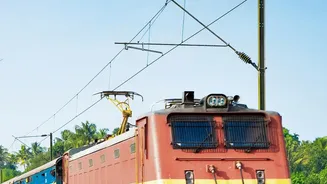
around the globe. For decades, diesel locomotives have powered these journeys. While effective, they produce carbon emissions, particulate matter, and significant noise, all of which degrade the pristine environments and detract from the tranquil experience. The alternative, electrification, is often unfeasible on these routes due to the challenging terrain, numerous tunnels, and sharp curves. Furthermore, erecting overhead power lines would permanently mar the historical and aesthetic value of these iconic corridors. This created a difficult choice: sacrifice either the environment or the heritage.
Enter 'Hydrogen for Heritage'
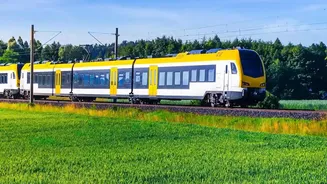
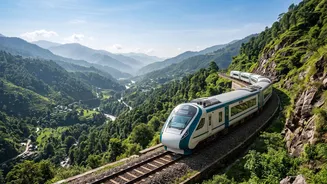
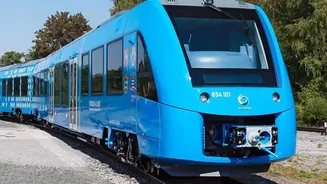
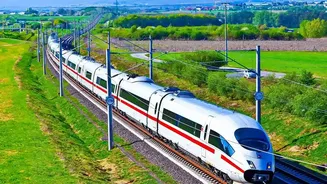
Indian Railways has found a third way forward with its “Hydrogen for Heritage” initiative. This ambitious project aims to deploy 35 hydrogen-powered trains on its most treasured routes. The plan involves retrofitting existing diesel trains with hydrogen fuel cell technology. The first major step in this direction was the successful launch of a hydrogen train on the Jind-Sonipat route in July 2026, which served as a crucial pilot to test the technology's viability in Indian conditions. The experience gained from this initial rollout is now intended to be leveraged for more complex deployments on heritage lines like Kalka-Shimla, Darjeeling, and Ooty. By targeting these culturally significant and ecologically sensitive routes, Indian Railways is making a powerful statement about combining technological innovation with historical preservation.
How the Technology Works
So, how does a hydrogen train run without smoke or noise? The core of the system is a fuel cell. Inside this device, hydrogen stored in high-pressure tanks on the train reacts with oxygen drawn from the air. This electrochemical reaction generates electricity to power the train’s motors. The beauty of this process is that the only byproduct is water vapour, making it a zero-emission solution at the point of use. Many designs also incorporate batteries that store excess energy, particularly from braking, which can be used to provide an extra power boost when needed. This makes the system not only clean but also highly efficient. For passengers, this translates to a much quieter and smoother ride, allowing them to fully immerse themselves in the scenic beauty of the journey.
A New Standard for Sustainability
The shift to hydrogen sets a new global benchmark for sustainable tourism and heritage management. Firstly, it eliminates on-site air pollution, protecting the delicate flora and fauna of the mountain regions these trains traverse. Secondly, the near-silent operation significantly reduces noise pollution, preserving the tranquility of these natural landscapes. Thirdly, by avoiding the need for disruptive electrification infrastructure, it keeps the historical character of the routes intact. This initiative positions India as a leader in green transportation, joining a select group of nations exploring hydrogen rail technology. It creates a model where heritage sites are not just preserved as static relics but are integrated into a dynamic, sustainable future. The project also fuels the 'Atmanirbhar Bharat' vision by fostering indigenous design and manufacturing of this next-generation technology.
Challenges on the Track Ahead
The path to a fully hydrogen-powered heritage fleet is not without its obstacles. The primary challenge is the cost and production of 'green' hydrogen, which is created using renewable energy like solar or wind. Currently, this is more expensive than conventional fuel sources. Building the necessary infrastructure for hydrogen production, storage, and refuelling at remote heritage locations is another significant investment. As seen with early pilot projects, ensuring reliability and safety, especially on the steep gradients and tight curves of mountain railways, requires extensive testing and refinement. However, as the technology matures and scales up, these costs are expected to decrease, making hydrogen an increasingly viable long-term solution.