





Viral beauty hacks promise incredible results with minimal effort. The latest trend filling social media feeds is DIY retinol ice cubes, which claim to tighten, brighten, and de-puff. But is combining a powerful active with ice a good idea?
The Viral Promise: What Are Retinol Ice Cubes?
The trend involves
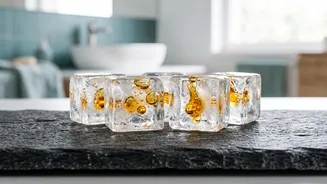
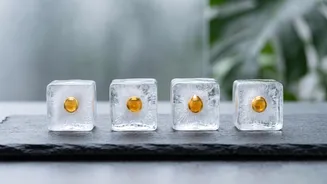
freezing a mixture containing retinol—or natural ingredients believed to have retinol-like properties, such as cucumber and potato juice—into ice cubes. The idea is to then rub these frozen cubes over the face. Proponents claim this combines the benefits of skin icing (cryotherapy) with the anti-ageing power of retinol. The supposed benefits include reducing puffiness and inflammation, shrinking pores, and delivering retinol's collagen-boosting, texture-smoothing effects all in one cool, refreshing step. The appeal is understandable: a simple, cheap, at-home treatment that promises the effects of two popular skincare techniques at once.
The Cold Truth About Skin Icing
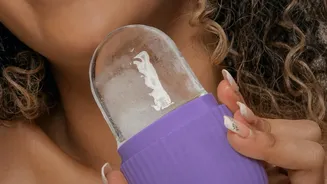
First, let's separate the ice from the retinol. Skin icing, or applying cold to the face, does have some temporary benefits. Dermatologists agree that the cold can constrict blood vessels, which helps to temporarily reduce facial puffiness, calm redness, and make pores appear smaller. However, the practice is not without risks. Applying ice directly to the skin for prolonged periods can cause damage. Potential side effects include irritation, redness, and even 'ice burns' or frostbite, which can harm the skin's protective barrier. In some cases, it can lead to broken capillaries—those tiny, spidery red veins. Experts recommend always wrapping an ice cube in a thin cloth to create a barrier and limiting contact with the skin to a few minutes at most.
The Problem with Freezing Retinol
Retinol is a powerhouse ingredient, a derivative of vitamin A known for increasing cell turnover and stimulating collagen. However, it is also a notoriously unstable molecule, sensitive to air, light, and temperature. While some sources suggest refrigeration can extend the life of a retinol product, freezing it—especially in a DIY water-based concoction—is a different story. Cosmetic formulas are carefully created to remain stable at room temperature. Freezing can cause the ingredients in a product to separate, which can ruin the texture and, more importantly, mess with the preservative system. This separation means you have no way of knowing how much retinol you are getting with each application. You could be getting a spot with almost no active ingredient, or a highly concentrated one that dramatically increases the risk of irritation.
Why Dermatologists Advise Against It
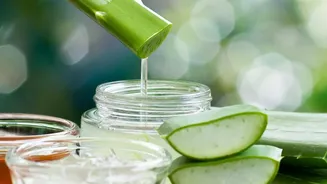
When you combine the risks of skin icing with the instability of DIY retinol, you get a recipe for potential skin problems. Dermatologists consistently warn against viral skincare trends that lack scientific backing. The primary issue with DIY retinol ice cubes is the lack of control. You can't ensure the retinol is evenly distributed, effective after being frozen, or applied safely. Furthermore, many viral recipes use 'natural retinol' from food sources like carrots or tomatoes, which contain beta-carotene, a precursor to vitamin A. However, the skin cannot convert these ingredients into active retinol in the same way a professionally formulated product can. Rubbing these frozen food concoctions on your face is more likely to cause irritation or an allergic reaction than deliver any real anti-ageing benefits.
Safer, More Effective Alternatives
If you want the benefits of retinol and skin icing, it is far safer and more effective to do them separately and correctly. For retinol, choose a wellformulated serum or cream from a reputable brand. Start slowly to allow your skin to acclimatise, applying a pea sized amount to dry skin at night, and always follow with a moisturiser. Consistency is key. For skin icing, if you enjoy the de puffing effect, do it safely. Use an ice cube wrapped in a soft cloth or a dedicated facial roller that has been chilled in the refrigerator, not the freezer. Move it gently and continuously across the skin, never holding it in one spot. This will give you the temporary tightening and soothing benefits without the risk of damaging your skin.