




What Are Batch Details Anyway?
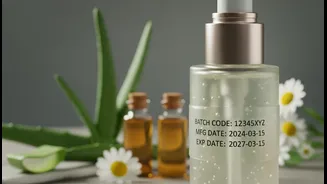
On every genuine cosmetic product, you will find a set of codes printed or stamped on the packaging. These are not random numbers; they are crucial pieces of information. The most important ones are the batch code (a short code of letters and numbers),
the manufacturing date (MFG), and the expiry date (EXP). The batch code is a unique identifier for a specific production run, helping manufacturers track products for quality control. It's usually found on the bottom of the container or the crimp of a tube. Don't confuse it with the longer 13-digit barcode used for retail scanning.
Three Big Mistakes a Batch Code Can Help You Avoid
First, you avoid using expired products. Active ingredients in skincare, like Vitamin C or retinoids, lose their potency over time and can even break down into substances that irritate the skin. Using expired items can lead to redness, breakouts, or allergic reactions. Second, you can spot potential fakes. Counterfeit products are a significant issue in India, with some reports suggesting nearly one in three consumers may have unknowingly bought a fake. These illicit products often lack genuine batch codes or have poorly printed ones, and can contain harmful ingredients like lead or mercury. Third, you avoid old formulas. A batch code reveals when a product was made, ensuring you are not buying stock that has been sitting in a warehouse for years, even if it hasn't technically expired. Fresher products simply perform better.
Your Step-by-Step Guide to Checking
Becoming a savvy shopper is easy. First, locate the batch code on the product. It’s typically a 3-10 character code. Next, use a free online batch code checker. Websites like CheckFresh and Batchcode.org allow you to select the brand, enter the code, and see the manufacturing date instantly. Some brands also let you verify serial numbers on their own websites. This simple check tells you exactly how old the product is. An unopened cosmetic product is generally considered fresh for about three years. If a seller is offering a product manufactured over two years ago, you might want to reconsider.
Understanding Expiry vs. Period After Opening
Besides the manufacturing and expiry dates, look for the Period After Opening (PAO) symbol. This looks like a tiny open jar with a number followed by an 'M' (e.g., "12M"). This indicates how many months the product remains safe and effective after you first open it, regardless of the expiry date. Exposure to air and bacteria starts to degrade a product once it's unsealed. So, even if a cream doesn't expire until 2028, if it has a PAO of 6M, you should finish it within six months of opening the jar to ensure its safety and efficacy.
Beyond the Code: Other Red Flags to Watch For
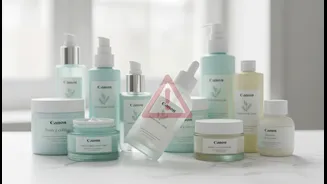
While the batch code is a powerful tool, it's part of a bigger picture. Always be wary of prices that seem too good to be true, as this is a common tactic for selling counterfeit goods. Buy only from the brand's official website or authorized retailers. Inspect the packaging closely for spelling errors, low-quality printing, or differences in the logo and font compared to the official product. Fake products may also have a strange smell or an inconsistent texture. Trust your instincts; if something feels off, it probably is.