







The Rise of the Remote Retreat
The numbers don't lie. Homestay owners and small travel operators across West and South Sikkim are reporting a significant uptick in inquiries and long-stay bookings, a trend that began post-pandemic and has only accelerated. The driver? A fundamental
shift in how we work and travel. The 'work from home' era has seamlessly evolved into a 'work from anywhere' culture, and 'anywhere' increasingly means a place with fresh air, stable Wi-Fi, and a great view. The Cardamom Hills, with their network of welcoming homestays, offer the perfect blend of productivity and peace. Travellers are no longer booking for a quick weekend getaway; they are settling in for weeks, even months, integrating their work life with the slow, rhythmic pace of the mountains.
What Exactly Are the Cardamom Hills?
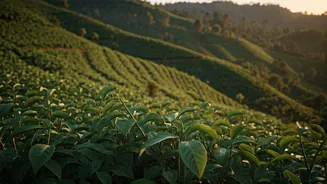
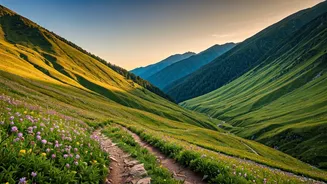
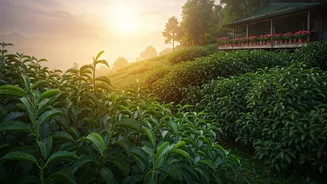
Unlike a formal geographical designation, the 'Cardamom Hills' refer to the lush, verdant regions of Sikkim where large cardamom (Amomum subulatum), or 'badi elaichi', is cultivated extensively. These spice plantations are typically found in the humid, shaded valleys of areas like Dzongu, Rinchenpong, and parts of South Sikkim. The landscape is a stunning tapestry of green: dense forests, terraced fields, and the towering, dark green stalks of the cardamom plants themselves. This isn't the stark, high-altitude terrain many associate with the Himalayas, but a softer, more intimate mountain experience. It's a land shaped by agriculture and the indigenous communities—primarily the Lepcha and Bhutia—who have cultivated it for generations, creating a unique cultural and natural ecosystem.
It's All About the Homestay
The heart of the Cardamom Hills experience isn't a five-star hotel; it's the humble, cozy homestay. This booking surge is almost exclusively concentrated in family-run establishments that offer more than just a room. They offer an immersion. Guests share meals with their hosts, learning the secrets of local cuisine, from freshly made momos to dishes flavoured with local herbs and, of course, cardamom. They learn about the local culture, participate in farm activities, and are guided on hidden trails to waterfalls and monasteries that don't feature in mainstream travel guides. This authentic connection is precisely what modern travellers, tired of cookie-cutter tourism, are craving. It’s a return to simplicity, community, and genuine hospitality.
A Boom with Responsibilities
While this newfound popularity brings welcome economic opportunities to remote communities, it also presents a challenge. The very tranquility that draws people to the Cardamom Hills is fragile. The increase in visitors, even for long stays, puts pressure on local resources and culture. The key is sustainable growth. Responsible tourism is paramount. This means travellers must be mindful of their environmental impact, respect local customs, and support businesses that are community-owned and eco-conscious. For the region to retain its magic, the boom in bookings must be managed with foresight, ensuring that tourism enriches rather than erodes the local way of life.
Planning Your Sikkim Sanctuary
If you're tempted to join the migration to this green haven, a little planning goes a long way. The best times to visit are during the spring (March to May) and autumn (October to December) months. Getting there involves flying to Pakyong Airport (or Bagdogra in West Bengal) and then hiring a car for a scenic, albeit long, drive. The most crucial tip? Book well in advance. With the surge in demand, the best homestays are often booked out months ahead. When you go, pack layers, be prepared for intermittent internet, and most importantly, arrive with an open mind. Engage with your hosts, try the local food, and allow yourself to slow down. That is the true essence of the Cardamom Hills experience.