


Why Yoga for Flexibility?
Yoga is one of the most effective ways to improve full-body flexibility. Unlike exercises that isolate specific muscles, yoga combines mindful movement, deep stretching, and controlled breathing to lengthen muscles, increase the range of motion in your
joints, and release tension. Regular practice not only helps prevent injuries but also improves posture and can alleviate chronic pain, especially in the back. A consistent, gentle routine allows your muscles and connective tissues to gradually loosen, creating lasting flexibility and a stronger mind-body connection.
Cat-Cow Pose (Marjaryasana-Bitilasana)
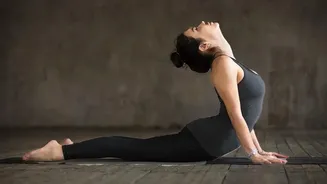
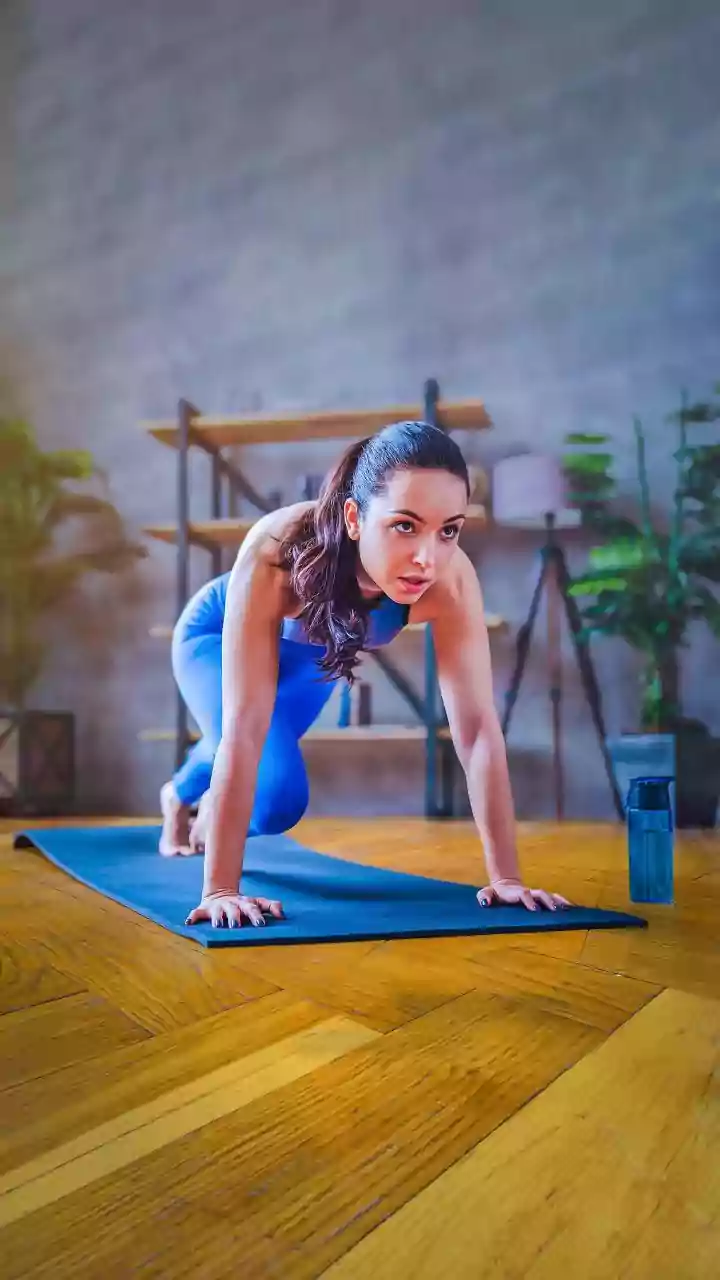
This gentle, flowing movement is perfect for warming up the spine and relieving tension in the back, neck, and shoulders. Start on all fours with your wrists under your shoulders and knees under your hips. As you inhale (Cow Pose), drop your belly toward the floor, lift your chest and chin, and gaze upward. As you exhale (Cat Pose), round your spine toward the ceiling, tucking your chin to your chest. Flow between these two poses for 5-10 breaths to improve spinal flexibility and promote relaxation.
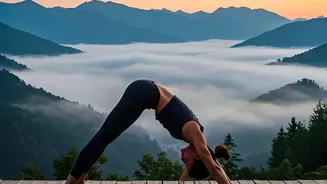
Downward-Facing Dog (Adho Mukha Svanasana)
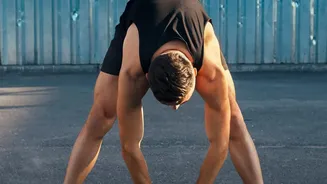
An iconic yoga pose, Downward-Facing Dog provides a full-body stretch, targeting the hamstrings, calves, and spine while building upper body strength. From your hands and knees, tuck your toes and lift your hips up and back, forming an inverted 'V' shape. For beginners, it's important to keep a slight bend in the knees to focus on lengthening the spine rather than forcing the heels to the floor. You can 'pedal' your feet by bending one knee and then the other to deepen the stretch in each hamstring.
Seated Forward Bend (Paschimottanasana)
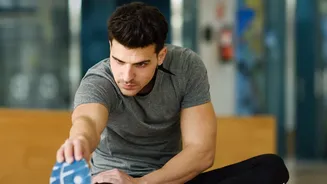
This pose provides an intense stretch for the entire back of the body, from your heels to your spine. Sit on the floor with your legs extended straight in front of you. Inhale to lengthen your spine, and as you exhale, hinge forward from your hips, not your waist. Walk your hands forward along your legs, stopping where you feel a comfortable stretch. If your hamstrings are tight, bend your knees and focus on keeping your back long. This pose calms the nervous system and is excellent for releasing tension after a long day.
Butterfly Pose (Baddha Konasana)
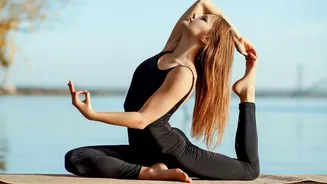
An excellent hip opener, Butterfly Pose stretches the inner thighs, groin, and knees. Sit on the floor and bring the soles of your feet together, letting your knees drop out to the sides. You can hold onto your ankles or feet. For a deeper stretch, gently fold forward. This pose is particularly beneficial for those who sit for long periods, as it helps relieve tension and improve circulation in the pelvic region.
Low Lunge (Anjaneyasana)
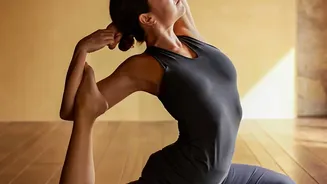
This pose offers a deep stretch for the hip flexors, quadriceps, and groin—areas that are often tight. From Downward-Facing Dog, step one foot forward between your hands and lower your back knee to the floor. Ensure your front knee is directly above your ankle. Inhale and lift your torso upright, sweeping your arms overhead. This posture improves balance and lengthens the spine while opening the chest.
Tips for Your Home Practice
Consistency is more important than duration. Even 10-15 minutes of daily practice can yield significant results. Create a dedicated, quiet space for your practice if possible. Use props like folded blankets or cushions to support your body, especially under the knees or hips, to make poses more accessible and comfortable. Most importantly, listen to your body. Never force a stretch; flexibility develops gradually with patience and regular practice.