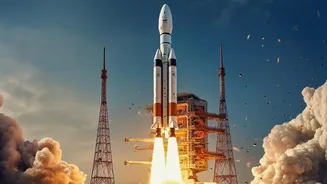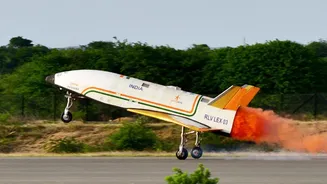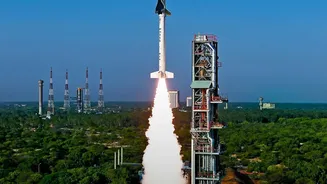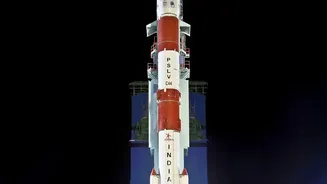

Gaganyaan: India's Giant Leap into Human Spaceflight
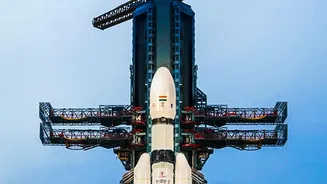
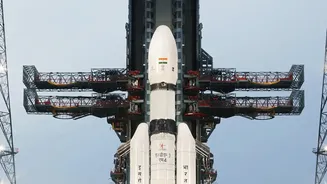
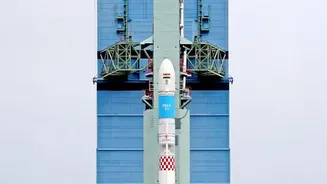
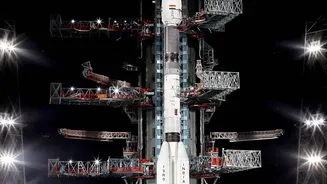
The most anticipated mission is undoubtedly Gaganyaan, India's inaugural human spaceflight program. The goal is to demonstrate the capability to send a crew of up to three astronauts into a low Earth orbit of 400 kilometres and bring them back safely.
Several uncrewed test flights are paving the way for this historic moment. The first uncrewed test flight, Gaganyaan G1, is expected to launch in the latter half of 2026. This will be followed by another test flight, Gaganyaan G2, which will carry a humanoid robot named Vyommitra to validate all systems before astronauts are on board. While timelines are subject to rigorous safety checks, the first crewed flight is tentatively planned for 2027, which would make India the fourth nation in the world to independently send humans to space.
NISAR: An Unblinking Eye on Planet Earth
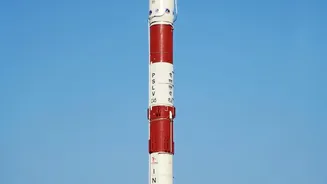
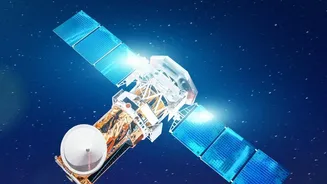
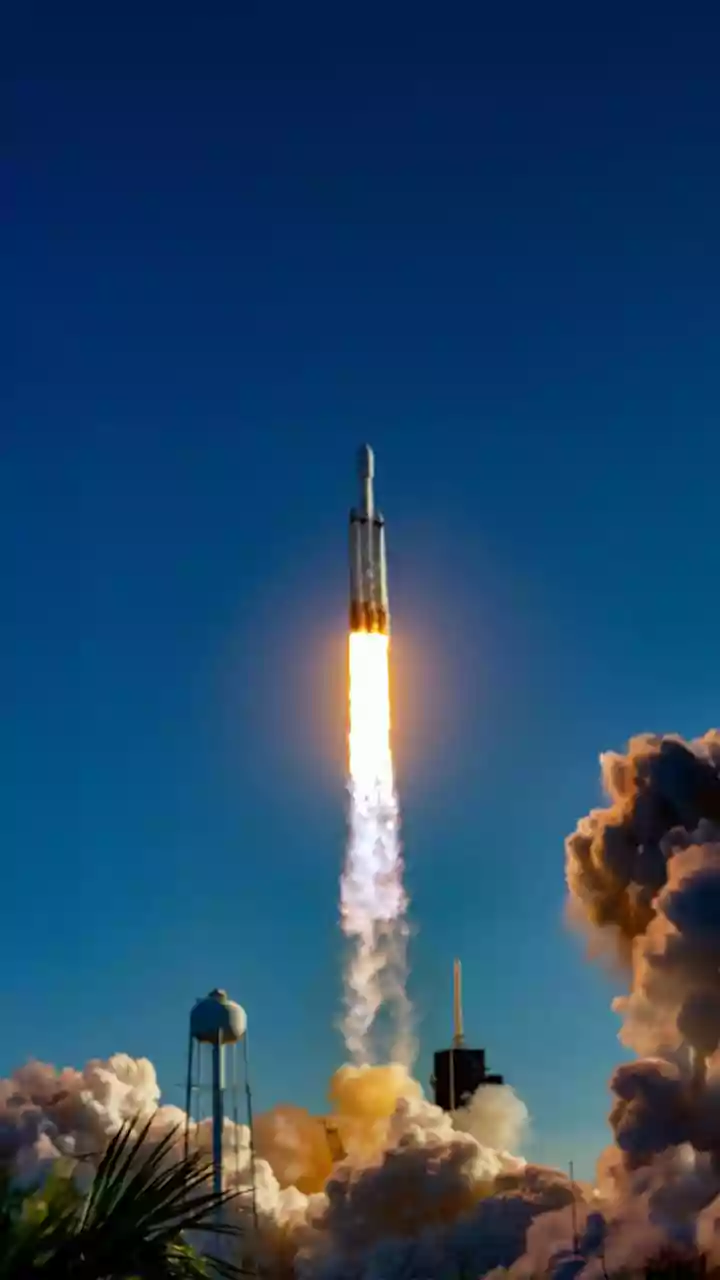
A monumental collaboration between NASA and ISRO, the NISAR (NASA-ISRO Synthetic Aperture Radar) satellite is a cutting-edge Earth observation mission. Launched in July 2025, it is now fully operational and providing scientists with an unprecedented, detailed view of our planet. Using advanced dual-frequency radar, NISAR scans nearly all of Earth's land and ice surfaces every 12 days, monitoring changes in ecosystems, ice sheets, and the ground itself. This data is crucial for understanding climate change, managing natural disasters like earthquakes and floods, and monitoring agricultural resources. With an estimated cost of $1.5 billion, it is one of the most expensive Earth-imaging satellites ever built, highlighting its global significance.
Shukrayaan-1: A Voyage to Earth's Mysterious Twin
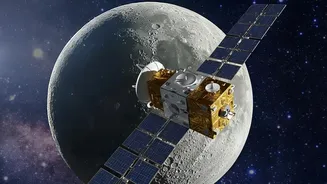
After conquering the Moon and Mars, ISRO has its sights set on Venus with the Shukrayaan-1 orbiter mission. Often called Earth's twin due to its similar size, Venus is a hostile world with a thick, toxic atmosphere and extreme surface temperatures. Shukrayaan-1 aims to study this runaway greenhouse effect, which could offer vital insights into climate change on our own planet. The mission, which has international participation from countries like Sweden, will investigate Venus's mysterious volcanic activity, map its surface, and analyze its complex atmospheric chemistry. Following a cabinet approval in 2024, the launch is scheduled for March 2028, positioning India to join an elite group of space agencies that have explored our nearest planetary neighbour.
Mangalyaan-2: A Bold Return to the Red Planet
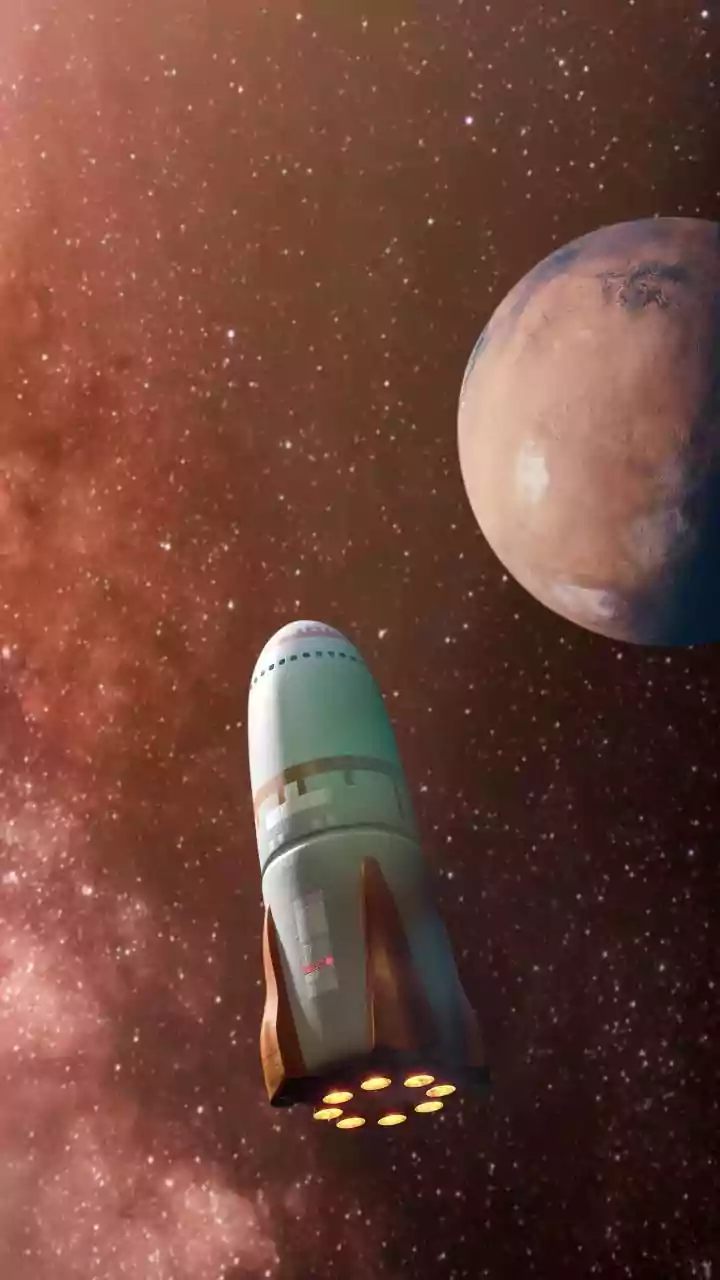
Building on the phenomenal success of the first Mars Orbiter Mission (MOM), also known as Mangalyaan, ISRO is planning a far more ambitious sequel. Mangalyaan-2, or Mars Lander Mission, aims not just to orbit Mars but to attempt a soft landing on its surface for the first time. Early plans suggest the mission could include an orbiter, a lander, and potentially even a rover and a helicopter to study the Martian terrain and atmosphere up close. While the original Mangalyaan was a technology demonstrator that made India the first nation to reach Mars on its first attempt, the second mission will focus on in-depth scientific investigation. ISRO has confirmed a launch target of 2030 for this complex and historic mission.