





A Confluence of Faith and Infrastructure
A massive push to upgrade India's ancient pilgrimage routes is at the heart of this trend. Government initiatives like the PRASHAD (Pilgrimage Rejuvenation and Spiritual, Heritage Augmentation Drive) and Swadesh Darshan schemes are channelling significant
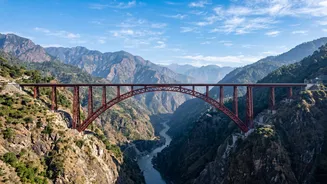
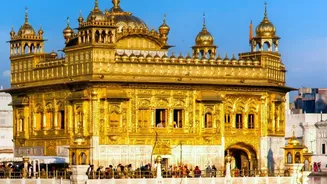
investment into developing these sacred sites. The PRASHAD scheme, with an outlay of over Rs 1,726 crore, focuses on improving infrastructure like roads, sanitation, and visitor amenities at key pilgrimage destinations. Simultaneously, the Swadesh Darshan scheme has been developing 15 thematic tourist circuits, including spiritual, Ramayana, and Buddhist circuits, with an investment of more than Rs 5,290 crore. This has resulted in tangible changes on the ground: better roads, upgraded railway stations, new airports, and improved public facilities in cities like Ayodhya, Varanasi, and Ujjain. The expansion of Vande Bharat train services, for instance, has dramatically improved access to destinations like Tirupati, Shirdi, and Puri.
From Pilgrimage to Holistic Experience
The modern spiritual traveller is seeking more than just a temple visit. A 2026 report noted a shift from a simple pilgrimage to an 'experience-based spiritual tourism ecosystem'. Travellers, including a surprising number of millennials and Gen Z, are combining their spiritual quests with cultural exploration, wellness, local cuisine, and heritage walks. This change is transforming once-sleepy temple towns into bustling tourism hubs. It's no longer just about the darshan; it's about the entire journey. This has led to the rise of organised tour packages that offer seamless itineraries, pre-booked accommodations, and guided experiences, making these journeys more accessible and comfortable for families and solo travellers alike.
The Economic Ripple Effect
The economic impact of this boom is profound. Spiritual tourism is already estimated to account for a large share of domestic travel in India. Some analyses suggest India's temple economy is valued at around Rs 3.02 lakh crore, with the broader spiritual tourism market projected to reach nearly $59 billion by 2028. This growth is a powerful engine for local economies. It creates jobs not only in direct tourism sectors like hospitality and transport but also supports ancillary industries like handicrafts, retail, and food services. In places like Varanasi, the Kashi Vishwanath Corridor project did more than just improve temple access; it revitalised the local economy by creating an organised tourism ecosystem. Similarly, Ayodhya, which saw visitor numbers jump to over 29 crore in 2025, is witnessing broad economic growth driven by new infrastructure and visitor spending.
The Path Forward
The rise of spiritual tourism is not without its challenges. The surge in visitors puts immense pressure on the fragile ecosystems and heritage structures of these ancient sites. Issues like crowd management, waste disposal, and sustainable development have become critical. The long queues and overcrowding reported at popular shrines highlight the urgent need for better management and planning to ensure the sanctity of the pilgrim's experience is not lost. As this sector grows, the key will be to balance development with preservation. The focus is shifting towards creating holistic destination ecosystems that integrate infrastructure, technology, and storytelling while protecting the cultural and spiritual essence of these sacred places. The implementation of digital services for booking and information is one step in this direction, helping to manage visitor flow and enhance the overall experience.