





The Desert Dwellers: Succulents and Cacti
Succulents, cacti, aloe vera, and jade plants are adapted to arid conditions, storing water in their leaves and stems. Their root systems are not designed to handle prolonged dampness. During the Indian monsoon, the combination of heavy rain and high
humidity means the soil in their pots stays wet for days, creating a perfect storm for root rot. Once the roots begin to decay, the plant can no longer absorb nutrients and will quickly turn soft and mushy. Your first line of defence is relocation. Move these plants to a covered part of your balcony where they are shielded from direct downpours. They still need bright, indirect light and good air circulation to thrive. Ensure their potting mix is extremely well-draining—a mix with sand or perlite is ideal—and that the pots have drainage holes. It's crucial to stop watering them on a schedule; only water when the soil is completely dry to the touch.
The Delicate Flowers: Petunias, Zinnias, and Pansies
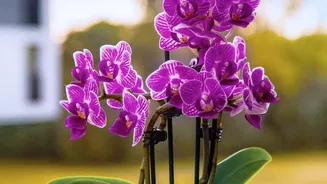
Many gardeners love the pop of colour from annual flowers like petunias, zinnias, and pansies. While beautiful, their delicate petals and fine root systems make them susceptible to damage from heavy rain and waterlogged soil. Heavy downpours can physically damage the flowers and compact the soil in their pots, suffocating the roots. The constant moisture also creates an ideal environment for fungal diseases like powdery mildew, which appears as white spots on leaves. To protect them, move them to a spot with some overhead cover if possible. If they must stay in the open, ensure excellent drainage by placing pots on bricks or stands to lift them off the floor. This allows excess water to escape freely. Improve air circulation by spacing the pots apart and pruning any yellowing or dead leaves to reduce the risk of fungal growth. Avoid letting them sit in saucers full of water, as this is a primary cause of root rot.
The Mediterranean Herbs: Rosemary, Thyme, and Lavender
Herbs like rosemary, thyme, and lavender originate from the dry, sunny climate of the Mediterranean and prefer their soil on the drier side. They absolutely detest having “wet feet.” The constant humidity and rainfall of the monsoon season are the opposite of their preferred environment. Overwatering will quickly lead to root rot, causing the plant to droop and its leaves to yellow and drop. To keep them healthy, providing excellent drainage is non-negotiable. Use a gritty, well-aerated soil mix and terracotta pots, which help wick away excess moisture. It is best to place these herbs under a roof or in a well-ventilated spot on the balcony that gets morning sun but is protected from constant rain. If you notice the soil is perpetually damp, you might even consider repotting into a drier mix mid-season to save the plant.
The Hardy Survivors: Snake Plants
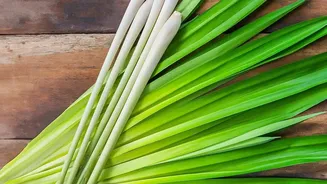
Snake plants (Sansevieria) are famous for being low-maintenance and nearly indestructible. However, their one major weakness is overwatering. These plants have thick, water-storing leaves and are technically succulents, meaning they are highly prone to root rot if left in soggy soil. While they can tolerate a wide range of conditions, sitting in a waterlogged pot during the monsoon is a death sentence. The good news is that their care is simple: move them under cover. A snake plant on a covered balcony or even indoors near a bright window will be perfectly happy during the rains. During this season, it will require very little, if any, manual watering. Let the soil dry out completely between waterings, which might mean you don't water it for several weeks at a time. The high humidity in the air provides enough moisture to keep it content.
General Monsoon Care Tips for All Balcony Plants
Regardless of the plant type, a few universal rules can save your balcony garden during the rainy season. First, check every single pot to ensure its drainage holes are clear and not clogged. Elevating pots on stands or bricks is a simple but highly effective way to prevent waterlogging. Second, adjust your watering schedule. The rain and humidity mean you must water far less frequently. Always check the soil with your finger; if the top inch is moist, do not water. Third, be vigilant about pests and diseases, as high humidity is a breeding ground for them. Regularly inspect leaves for signs of fungus or pests and improve air circulation by not overcrowding your plants. Finally, hold off on fertilizing. With reduced sunlight and saturated soil, plants are often in a semi-dormant state and cannot absorb extra nutrients effectively.