


More Than Just a Simple Break
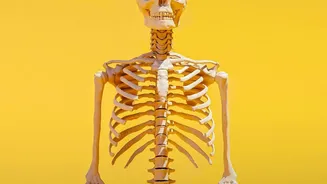
A fracture is any break or crack in a bone. This can range from a tiny hairline crack, known as a stress fracture, to a complete break that separates the bone into multiple pieces. Fractures are generally classified as either closed, where the skin is not
broken, or open (compound), where the broken bone pierces the skin, creating a high risk of infection. They can also be displaced, where the bone fragments move out of alignment, or non-displaced, where the bone cracks but stays in its correct position. The complexity is vast—from a comminuted fracture, where the bone shatters into three or more pieces, to a greenstick fracture in children, where the bone bends and cracks but doesn't fully break. This variety is precisely why a professional evaluation is essential.
The High Stakes of a Misdiagnosis
One of the most common and dangerous assumptions is telling the difference between a fracture and a severe sprain without a doctor. A sprain is an injury to ligaments—the tough bands that connect bones—while a fracture is a break in the bone itself. While symptoms like pain, swelling, and bruising are common to both, key signs of a fracture might include a cracking sound at the time of injury, numbness or tingling, or a visible deformity where the limb looks bent or out of place. However, these signs aren't always present. The old myth 'if you can walk on it, it isn't broken' is dangerously false; many people walk on fractured feet or ankles for days, worsening the injury. Treating a fracture as a sprain can lead to disastrous long-term consequences.
What a Doctor Sees That You Can't
An accurate diagnosis is the first step toward proper healing. When you see a doctor, they perform a physical exam to assess the injury's location and severity. But the definitive tool is medical imaging. An X-ray is typically the first step to confirm if a bone is broken and to see its exact position. In more complex cases, or if soft tissue damage is suspected, a doctor might order a CT scan or an MRI for a more detailed view. This detailed picture allows an orthopedic specialist to determine the precise type of fracture and create a tailored treatment plan, whether it's simple immobilisation with a cast or splint, or surgical intervention with plates, screws, or rods to realign the bone.
The Critical Risks of Improper Healing
Without prompt and correct medical treatment, a broken bone can lead to severe, lasting complications. One of the biggest risks is 'malunion', where the bone heals in an incorrect position. This can cause chronic pain, deformity, loss of function, and even lead to arthritis in the affected joint down the line. Another serious risk is 'nonunion', where the bone fails to heal altogether, resulting in persistent instability and pain that often requires more complex surgery to fix. Furthermore, untreated fractures can damage surrounding nerves and blood vessels, leading to numbness or circulation problems. In the case of open fractures, the risk of a bone infection is a serious emergency.
First Aid While You Wait for Help
While immediate professional care is non-negotiable, knowing basic first aid can prevent further injury. The primary rule is to immobilise the injured area; do not try to straighten a bent limb or push a bone back in. If there is bleeding from an open fracture, apply firm pressure with a clean cloth around the wound, not directly on the protruding bone. To manage pain and swelling, apply a cold pack wrapped in a towel for 15-20 minutes at a time. If possible, elevate the limb above the level of the heart, but only if it doesn't cause more pain. These steps are meant to stabilise the person and reduce discomfort until they can be seen by a medical professional.