



Beyond Butter Chicken
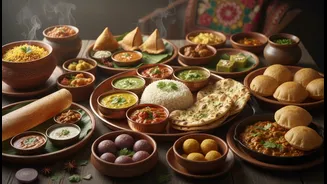
For decades, dining out in many Indian cities meant a familiar litany of dishes: butter chicken, paneer tikka, dal makhani, and dosa. While these classics remain beloved, a significant shift is reshaping the industry. A new generation of restaurateurs
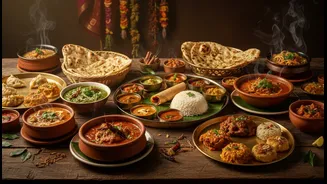
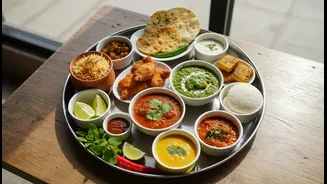
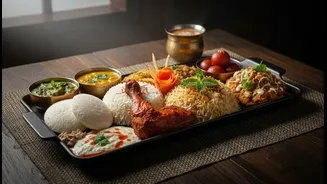
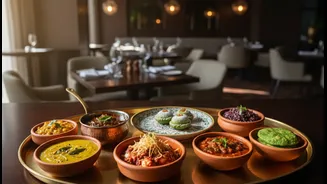
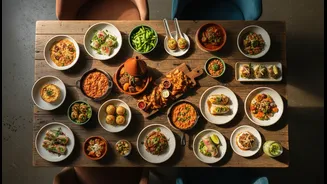
and chefs is moving away from the one-size-fits-all approach, instead championing the vast diversity of India's food traditions. This isn't just about North or South Indian; it’s about the specific, nuanced flavours of micro-regions like Malnad in Karnataka, Chettinad in Tamil Nadu, or the tribal cuisines of the Northeast. This trend, known as hyper-regional cuisine, is turning menus into culinary maps, offering diners a taste of places and traditions they may have never experienced. The result is a vibrant dining scene where authenticity and specificity are the new currencies.
The Business of Authenticity
This culinary movement is proving to be a savvy business strategy. In a crowded market, a specialised, story-rich menu is a powerful differentiator. Restaurants that focus on a particular region, like Kanjivaraam in Gurgaon with its regional South Indian focus or The Bombay Canteen in Mumbai championing local ingredients, create a unique identity that generic multi-cuisine spots cannot replicate. Diners, increasingly well-travelled and curious, are willing to pay a premium for authentic experiences that offer more than just a meal. Reports show that restaurants with specialised regional menus have seen faster customer growth than those with generic ones. This model fosters a strong brand built on cultural pride, storytelling, and a deep connection to roots—whether it's celebrating forgotten recipes or sourcing ingredients directly from native communities.
A Plate Full of Stories
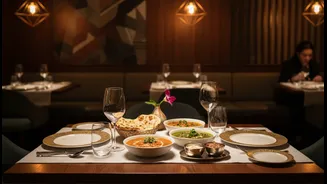
The success of this model lies in selling an experience, not just food. The most successful regional restaurants understand that they are cultural ambassadors. It's about how the staff explains the origin of a dish, the decor that reflects a region's artisanal legacy, and the use of unique, locally-sourced ingredients that tell a story of a place and its people. For example, Terrāi in Hyderabad collaborates with women farmers and tribal chefs to showcase Telangana's culinary identity, creating an immersive experience that goes beyond the plate. Similarly, pop-ups and chef-led food festivals are proving instrumental, allowing chefs to test new concepts and introduce diners to lesser-known traditions like Garhwali or Kathiawadi food. This approach transforms a simple dinner into a memorable journey of discovery.
The Economics of Nostalgia and Novelty
The demand for regional food is fueled by powerful social and economic currents. For the vast population of urban migrants, this food offers a taste of home and a connection to their heritage—a form of edible nostalgia. For others, it's about novelty and exploration, a chance to travel across India's culinary landscape without leaving their city. Industry experts note that a significant percentage of diners are now actively seeking out regional cuisines, driven by a desire for authenticity. Social media also plays a crucial role, as diners share their discoveries of unique dishes, turning a hyperlocal specialty into a trending topic. This trend is not just about a restaurant meal; it’s a cultural movement that supports farmers growing indigenous crops, preserves dying recipes, and enriches India’s collective food identity.