



1. The Magic of Fermentation
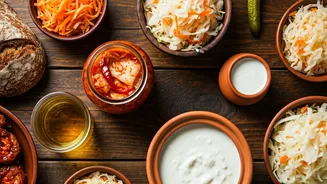
Remember the large ceramic jars of pickles (achar) soaking up the sun on your grandmother’s balcony? That was fermentation in action. Today, this ancient technique is back in the spotlight, and for good reason. From sourdough bread to homemade yoghurt,
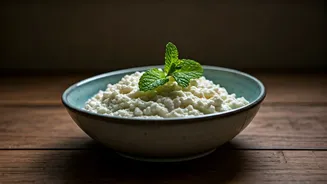
kombucha, and kanji, fermented foods are teeming with probiotics—beneficial bacteria that support gut health, aid digestion, and boost immunity. But the benefits aren't just health-related. Fermentation is a natural way to preserve food and develop incredibly complex, deep flavours that you can't get any other way. It transforms simple ingredients like cabbage into tangy kimchi or milk into creamy dahi. Getting started is easier than you think. A simple vegetable pickle requires little more than salt, water, and time, offering a delicious gateway into the world of gut-friendly foods.
2. Saving the Scraps
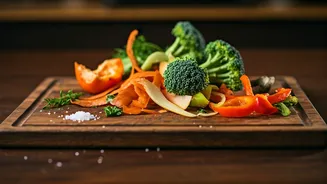
The ‘use and throw’ culture is slowly being replaced by a ‘root-to-stem’ and ‘nose-to-tail’ philosophy. This is old-school wisdom at its finest. Our ancestors understood that waste was a luxury they couldn't afford. Today, we're relearning that lesson, driven by both environmental concerns and rising food costs. This means seeing potential in every part of an ingredient.
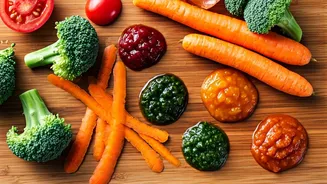
Those vegetable peels, onion skins, and carrot tops you were about to throw away? They can be simmered into a flavourful, nutrient-rich vegetable stock. Coriander stems, which pack more flavour than the leaves, are perfect for chutneys and marinades. Even citrus peels can be candied, used to infuse oils, or turned into natural household cleaners. It's a creative challenge that reduces kitchen waste, saves money, and adds an extra layer of flavour to your cooking.
3. The Joy of Making from Scratch
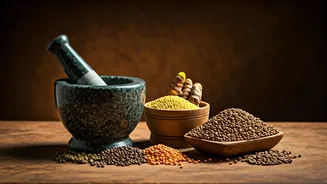
For decades, convenience was king. We bought pre-made spice mixes, jarred sauces, and processed butter. Now, there’s a growing movement to reclaim the kitchen by making staples from scratch. Making your own ghee, for instance, not only fills your home with an incredible nutty aroma but also ensures you get a pure, unadulterated product free from preservatives. Whipping cream a little past the stiff-peak stage gives you fresh, delicious butter and buttermilk as a bonus.
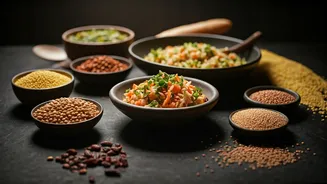
Similarly, grinding your own spices or making a batch of garam masala allows you to control the freshness, flavour profile, and texture. This trend isn't about making life harder; it's about reconnecting with our food, avoiding hidden sugars and additives, and achieving a taste that store-bought products simply cannot match. It’s a small act of self-reliance that is deeply satisfying.
4. The Return of Cast Iron
In a world of delicate non-stick pans that need replacing every few years, the humble and hefty cast iron kadhai or skillet is making a triumphant return. This isn't just about vintage aesthetics. Cast iron is a workhorse. It’s incredibly durable and, when properly seasoned, develops a natural non-stick surface that lasts a lifetime. In fact, it only gets better with age.
Its superior heat retention and even distribution make it perfect for everything from searing meats and getting the perfect crispy skin on a dosa to baking fluffy cornbread. Furthermore, cooking in cast iron can lightly fortify food with dietary iron, a small but welcome health benefit. By turning back to this tried-and-true cookware, home cooks are choosing longevity and performance over disposable convenience.