

Monitor Official Weather Alerts
Your first step before starting your journey should always be to check the latest weather forecast from the India Meteorological Department (IMD). The IMD issues colour-coded alerts (green, yellow, orange, red) that indicate the expected severity of rainfall.
These alerts can give you a crucial heads-up on whether it is advisable to travel at all. Pay close attention to warnings for 'heavy to very heavy' rainfall and gusty winds, as these conditions often lead to disruptions. The Brihanmumbai Municipal Corporation (BMC) also shares these alerts and provides its own advisories on its official website and social media channels. Following these official sources helps you avoid misinformation and make informed decisions based on scientific forecasts rather than rumours.
Check the Lifeline: Local Train Status
For millions, Mumbai's local trains are the primary mode of transport. However, they are also highly susceptible to disruptions during heavy downpours. Waterlogging on tracks, especially at low-lying stations like Kurla, Sion, Matunga, and Nalasopara, can lead to significant delays, diversions, or even suspension of services. Before heading to the station, check the live status of the Central, Western, and Harbour lines. The Western and Central Railways often post real-time updates on their official social media accounts. Commuter-focused apps like 'm-Indicator' are invaluable, providing live train schedules, delay information, and platform details sourced from fellow commuters and official channels. Knowing the status of the train network can help you decide whether to wait, seek an alternative route, or work from home if possible.
Assess Road Conditions and Traffic
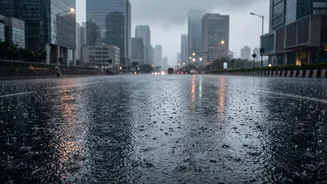
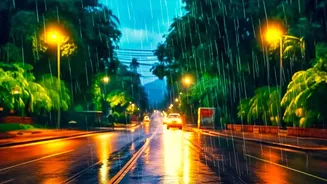
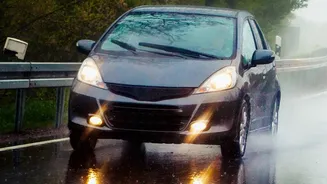
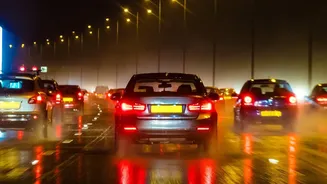
If you are travelling by car, bike, or taxi, knowing the state of the roads is non-negotiable. Major arterial roads like the Western Express Highway and Eastern Express Highway can become severely congested. Waterlogging is common in several known choke points, including the Andheri subway, Hindmata, and parts of the S.V. Road. Use real-time traffic apps like Google Maps or Waze to check for road closures, diversions, and heavy traffic zones. The Mumbai Traffic Police also disseminates information about waterlogged areas and traffic diversions through its social media handles. Planning your route based on this live information can prevent you from getting stuck in long traffic jams or, worse, on a flooded road.
Know Your BEST Bus Route Status
The Brihanmumbai Electric Supply and Transport (BEST) bus network is another critical component of the city's public transport system. When trains are delayed, many commuters turn to buses. However, buses are also affected by waterlogging and traffic. BEST often has to divert or curtail services on several routes due to flooded streets or fallen trees. The 'BEST Pravas' app and official BEST social media pages provide updates on bus diversions and cancellations. It is wise to check if your regular route is operational or if there are any changes. Having a few alternative bus routes in mind can also be a useful backup plan if your primary option is unavailable.
Be Aware of High Tide Timings
Heavy rain coinciding with a high tide is a recipe for severe waterlogging in Mumbai. When the tide is high, the city's drainage systems cannot effectively empty rainwater into the sea, causing water levels on the streets to rise rapidly, especially in low-lying coastal areas. The BMC regularly issues advisories with the timings for high tides, particularly when they are expected to be over four metres. Being aware of these timings is crucial. If a heavy spell of rain is predicted to overlap with a high tide, it is safest to avoid travel during that window. Official BMC alerts will often specifically warn citizens to stay indoors during such periods.
Keep Emergency Contacts and Supplies Ready
Finally, preparation is key. Ensure your phone is fully charged and consider carrying a power bank. Save important helpline numbers, such as the BMC's disaster management helpline (1916) and the Mumbai Police control room (100). It is also a good idea to have some drinking water and snacks with you, as journeys can take much longer than expected. Wear appropriate footwear for navigating wet and uneven surfaces. A small, waterproof bag to protect your electronics and wallet can also be a lifesaver. These small preparations can make a significant difference if you find yourself stranded.