




What Exactly is Fluted Glass?
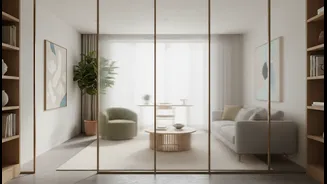
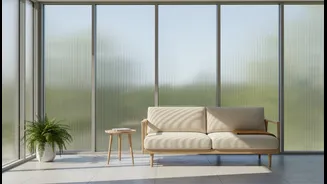
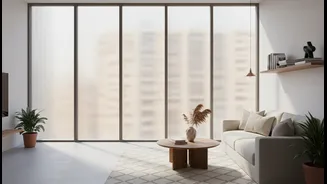
Fluted glass, also known as ribbed or reeded glass, is a type of decorative glass with vertical grooves pressed into its surface. These grooves, or 'flutes', create a beautiful textural effect that plays with light in a unique way. Instead of light passing
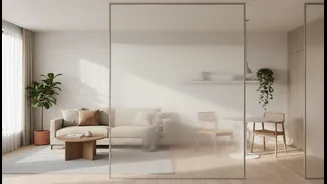
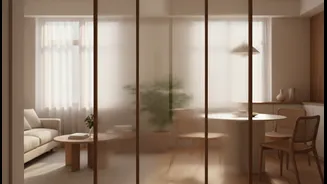
straight through as with clear glass, the ridges bend and diffuse it, creating a soft, scattered glow. The result is a translucent material that obscures clear views while still allowing light to flood a room, striking a perfect balance between transparency and privacy.
The Magic of Zoning Without Walls
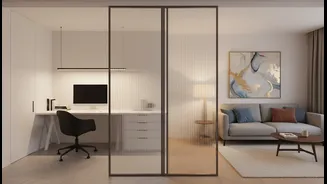
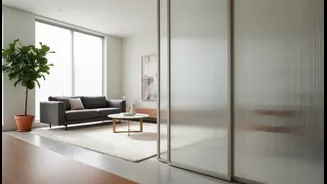
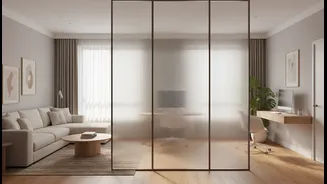
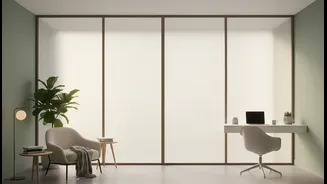
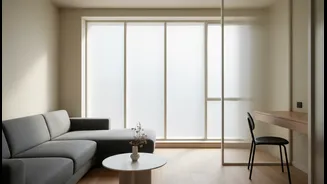
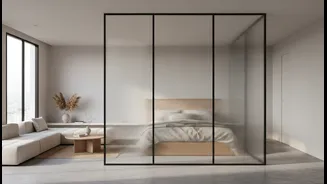
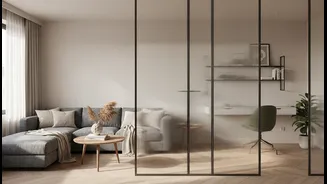
In smaller apartments, building solid walls to create separate zones can be counterproductive, leading to dark, confined spaces. This is where fluted glass shines as a partition material. Imagine separating a small home office nook from your living area, or a dining space from the kitchen, with a sleek fluted glass screen. It creates a clear visual division of function while allowing light to flow between the areas, maintaining an airy, open-plan feel. This ability to delineate spaces without sacrificing brightness is crucial for making compact homes feel larger and more organised.
Privacy with a Softer Touch
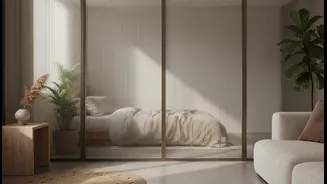
There are many areas in a home where privacy is needed, but traditional solutions like solid doors or heavy curtains can block valuable light. Fluted glass provides an elegant alternative. In the bathroom, a fluted glass shower screen offers privacy while keeping the space bright and feeling open, almost like a personal spa. For a bedroom wardrobe, fluted glass doors can hide the clutter of clothes while adding a touch of sophistication. You see shapes and colours through the glass, but not sharp details, which is perfect for maintaining privacy without total isolation.
Adding Texture and a Hint of Luxury
Beyond its practical benefits, fluted glass is a powerful aesthetic tool. The vertical lines add a sense of height and rhythm to a space, while the textured surface introduces a layer of visual interest that flat, plain surfaces lack. It catches and reflects light, adding a dynamic quality to cabinets, doors, and partitions. This subtle decorative element can elevate the entire feel of a room, making it seem more considered, sophisticated, and luxurious, even on a smaller scale. It’s a detail that has been closely linked with the popular, minimalist Japandi design aesthetic.
Smart Ways to Use It In Your Home
The versatility of fluted glass means it can be used in numerous ways. In the kitchen, it's perfect for overhead cabinet doors, hiding the messy reality of everyday crockery while keeping the look light. As a door for a pooja room, it creates a serene, sacred feel by diffusing light beautifully. It also works wonderfully for internal sliding doors, such as between a kitchen and a utility area, concealing laundry while letting light through. Even small accents, like using it for shelving, can add a significant design impact.
Maintenance and Practicality
Despite its textured appearance, fluted glass is surprisingly easy to maintain. The vertical grooves can help hide fingerprints and water spots better than clear glass. For cleaning, a simple solution of mild dish soap and warm water, or equal parts vinegar and water, applied with a soft microfibre cloth is usually all that’s needed. It's best to wipe along the direction of the grooves. Regular light cleaning will prevent any build-up and keep the glass looking crisp and elegant.