



The night sky holds a special magic, and this October, you don't need to leave the city to see it. The Orionid meteor shower is coming, and with a few simple tips, you can witness this celestial spectacle without any fancy gear.
Cosmic Dust from a Famous Comet
The Orionid meteor shower
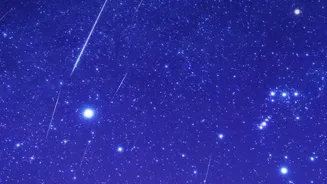
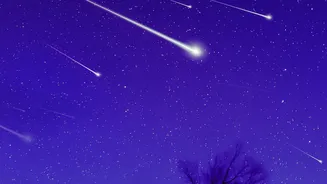
is an annual event that occurs when Earth passes through the stream of debris left behind by Halley's Comet (1P/Halley). These tiny particles, often no bigger than a grain of sand, enter our atmosphere at incredible speeds—about 66 kilometres per second—and burn up, creating the beautiful streaks of light we call meteors or 'shooting stars'. The Orionids are known for being particularly bright and fast, sometimes leaving behind glowing trails that can linger for several seconds. While not as numerous as other major showers like the Perseids, the Orionids offer a reliable and spectacular show, framed by the bright stars of the autumn sky.
Mark Your Calendar: The 2026 Peak
For 2026, the Orionid meteor shower will be active from early October through early November. The peak, when the most meteors are visible, is expected on the night of October 21-22. Some forecasts also suggest good activity on the morning of October 23. The best viewing window will be in the pre-dawn hours, after midnight. This year, there's a challenge: a bright waxing gibbous moon will light up the sky for much of the night. However, it sets a few hours before dawn, creating a perfect dark window for meteor spotting. So, instead of staying up late, consider setting an alarm for around 3 a.m. local time and watching until twilight begins.
Finding Your Urban Observatory
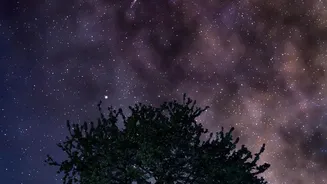
The biggest hurdle for city-based astronomers is light pollution. To give yourself the best chance, find a spot that is as dark as possible. This could be a large park, a rooftop with an unobstructed view, or even the outskirts of the city if you can manage a short drive. The key is to get away from direct streetlights and building lights. Once you've found your spot, give your eyes at least 20-30 minutes to fully adapt to the darkness. During this time, resist the urge to look at your phone, as the bright screen will instantly ruin your night vision. Using a red flashlight can help you see your surroundings without affecting your dark-adapted eyes.
Your Viewing Kit: Comfort is Key
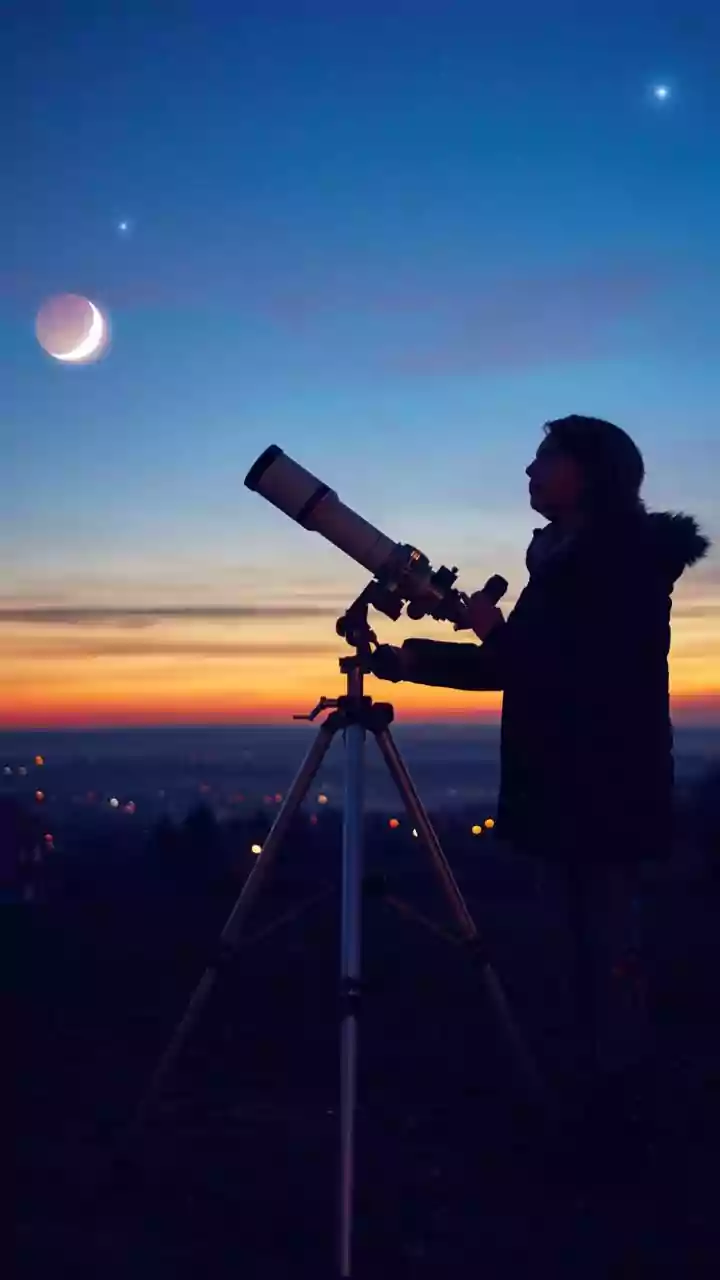
You don't need a telescope or even binoculars to enjoy a meteor shower; your eyes are the best tool because they offer the widest view of the sky. Your main goal should be comfort, as meteor watching is a waiting game. Bring a blanket to lie on or a reclining chair so you can look straight up without straining your neck. Even on mild nights, it can get chilly when you're sitting still for hours, so dress in layers and consider bringing a warm drink in a flask. Meteors can appear anywhere in the sky, so you don't need to stare at one specific spot. While they appear to radiate from the constellation Orion, looking about 45 degrees away from that point can reveal longer, more dramatic streaks.
Patience and Expectations
Under ideal, dark-sky conditions, the Orionids can produce about 15 to 20 meteors per hour during their peak. In a city, this number will be lower due to light pollution. Don't be discouraged if you don't see a meteor right away. The show is sporadic. You might see two or three in quick succession, followed by a lull of several minutes. The experience is about patience and enjoying the quiet moments under the night sky. Simply lie back, take in as much of the sky as you can, and wait for the show to begin. Each streak of light is a tiny piece of a world-famous comet burning up miles above you—a direct connection to the wider cosmos, visible right from your city.