

The Primal Pull of Pakoras
The connection between rain and a platter of pakoras, bhajis, or samosas is more than just a habit; it’s a physiological and cultural phenomenon. When the skies turn grey and the temperature drops, the body instinctively seeks warmth and energy. Hot,
crispy, calorie-dense foods are an efficient way to combat the damp chill. Furthermore, reduced sunlight during the monsoon can lead to a dip in serotonin, the brain's mood-regulating chemical. The fats and carbohydrates in fried snacks trigger a quick dopamine hit, offering a comforting mood lift. This biological urge is layered with decades of cultural conditioning, where the ritual of chai and fried snacks has become inseparable from the rainy-day experience, passed down through generations in households and tea stalls alike.
Beyond the Fritter
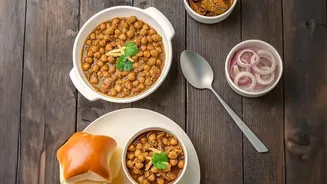
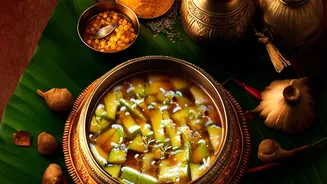
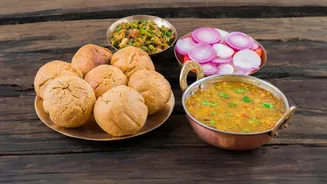
While fried snacks are the undisputed stars, the monsoon culinary map of India is far richer and more diverse. Every region has its own unique way of celebrating the rains, often dictated by local produce that flourishes during this season. In Maharashtra, the craving might be for Kanda Bhaji (onion fritters) or a spicy plate of Misal Pav. In Rajasthan, it could be a hearty Dal Baati Churma, while West Bengal finds comfort in a warm bowl of Khichuri. Down south, Kerala’s monsoon staple is a nourishing bowl of Karkidaka Kanji, a medicinal rice gruel, or Parippu Vada (lentil fritters). Roasted corn on the cob, or bhutta, slathered with lime and spices, is a pan-Indian favourite, its smoky aroma synonymous with rainy evenings. These dishes are not just about taste; they are about tradition and making the most of the season's bounty.
From the Street to the Screen
In the age of social media, these timeless traditions are finding new life. The very nostalgia and comfort that make monsoon foods so beloved also make them perfect content for platforms like Instagram and YouTube. Food influencers and home chefs are tapping into this collective memory, reinventing classic dishes in visually appealing, shareable formats. This has sparked a wave of viral trends that put a modern spin on old favourites. You might see a 'deconstructed' samosa chaat presented with artistic flair, or bhutta-inspired 'corn ribs' that are easier to eat and share. Tandoori-flavoured tacos and masala-spiced multigrain chips are other examples of this fusion, blending global formats with familiar Indian tastes. Even a simple snack like roasted peanuts is transformed into a vibrant 'Surati Collegian Bhel' for a quick, crunchy, and camera-ready treat.
Why These Trends Stick
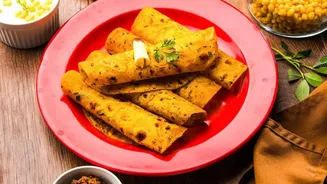
The success of these viral recipes isn't just about novelty; it’s rooted in authenticity and accessibility. Modernist techniques, once confined to fine-dining restaurants, are now being simplified for home cooks. For example, a chef might demonstrate how to make a foam from dahi or a crispy 'tuile' from besan, transforming the textures of a traditional dish while keeping its soul intact. These trends also serve as a cultural bridge, helping a younger, digitally native generation connect with their culinary heritage. By making traditional recipes seem cool, approachable, and fun to create, social media is helping to preserve and popularise regional cuisines that were once overshadowed by more mainstream dishes. It’s a celebration of identity, where a family recipe for Pithla Bhakri can get as many views as a butter chicken tutorial.