


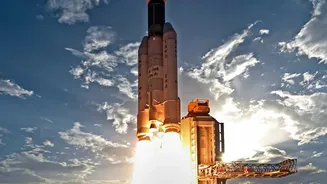
A New Space Race, Fueled by Policy
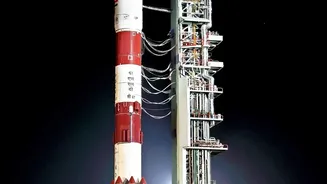
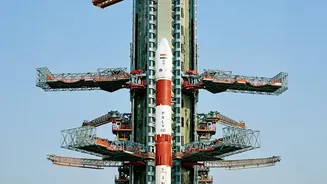
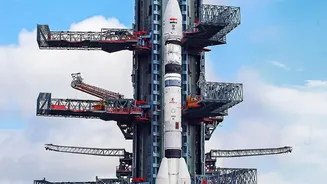
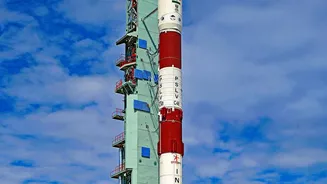
For decades, space was the exclusive domain of the Indian Space Research Organisation (ISRO). However, recent policy shifts have flung the doors wide open for private enterprise. The establishment of the Indian National Space Promotion and Authorisation
Centre (IN-SPACe) has been a game-changer. Acting as a single-window agency, IN-SPACe facilitates, authorises, and promotes the work of non-governmental entities in the space sector. This has created a fertile ground for startups, allowing them to leverage ISRO's vast experience and infrastructure while pursuing their own commercial ambitions. This strategic move is designed to expand India's share of the global space economy, which is estimated to be worth hundreds of billions of dollars, and transition ISRO's focus more towards scientific research and deep-space exploration.
Rethinking the Rocket: Launch Vehicle Innovation
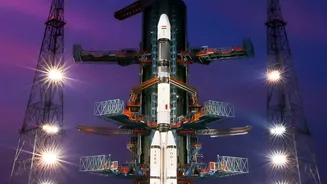
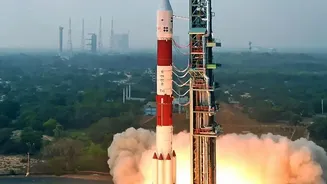
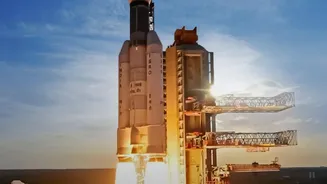
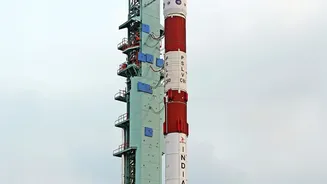
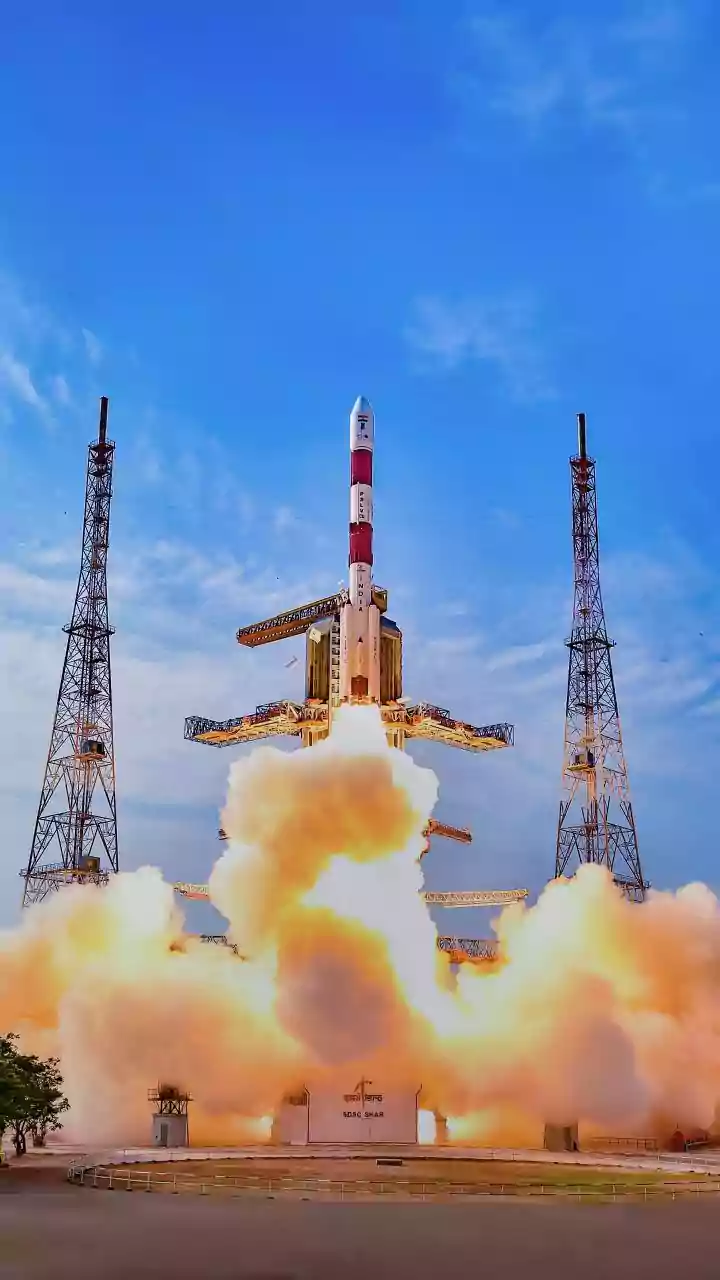
One of the most exciting frontiers is the development of new launch vehicles, particularly for the booming small satellite market. Hyderabad-based Skyroot Aerospace made history with the launch of Vikram-S, India's first privately developed rocket. This mission, named 'Prarambh' (The Beginning), was a crucial step in validating their technology. Skyroot is developing a series of Vikram rockets designed to provide cost-effective and on-demand launch services. Meanwhile, Chennai's Agnikul Cosmos is turning heads with its groundbreaking use of 3D printing. The company successfully test-fired Agnilet, the world's first single-piece 3D-printed rocket engine. Their Agnibaan rocket is designed to be highly customisable for small satellite customers, offering unprecedented flexibility. This innovation drastically reduces manufacturing time and cost, a key advantage in the competitive launch market.
Advanced Eyes in the Sky: Next-Gen Satellites
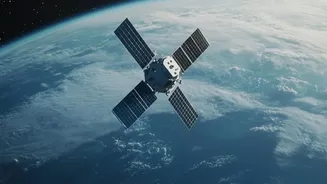
It's not just about getting to space; it's about what you do once you're there. Bengaluru-based Pixxel is at the forefront of satellite technology, building a constellation of hyperspectral imaging satellites. Unlike standard cameras that see in red, green, and blue, Pixxel's satellites capture information across hundreds of spectral bands. This provides an incredible layer of data, enabling applications from detecting crop diseases and illegal mining to monitoring pollution and climate change with pinpoint accuracy. The company has already launched several satellites and is working towards a larger constellation to provide a 'health check' for the planet. Other startups are building the crucial plumbing of space. Dhruva Space, for instance, specialises in satellite deployers—the mechanisms that safely release satellites from a rocket into their correct orbit—and full-stack satellite manufacturing services.
Building an End-to-End Ecosystem
What makes this new era so significant is that Indian startups are not just building isolated components. They are creating a full-stack space ecosystem. Companies are offering everything from launch services (Skyroot, Agnikul) and satellite manufacturing (Dhruva Space) to in-orbit data services (Pixxel) and space situational awareness. This vertical integration is crucial for building a self-reliant and competitive national space industry. By covering the entire value chain, from ground to orbit and back to data on a screen, these firms are laying the groundwork for India to become a one-stop-shop for global space needs. The government is further catalysing this with initiatives like the Technology Adoption Fund, providing partial funding to help startups transform their prototypes into commercially viable products.