







The Psychology of the Queue
There is a powerful psychology at play when we join a waiting list. Marketers are experts at using a concept called the scarcity principle. When a product is limited or hard to get, our brains automatically assign it a higher value. We see a queue, whether
physical or digital, and assume the thing at the end of it must be exceptional. This is amplified by social proof; if thousands of other people want it, it must be good, right? This taps into a deep-seated fear of missing out, or FOMO. The anticipation builds, and the desire to acquire the item becomes more about the thrill of the chase and the fear of being left behind than about the product itself. The wait doesn't just build excitement; it manufactures demand.
A Solution in Search of a Problem
The true measure of a great product is its ability to solve a recurring problem in your life. Your favourite cooking pot saves you time every evening. Your most comfortable shoes make a long commute bearable. These items have a clear, functional purpose. They earn their place by seamlessly integrating into your daily routines and making them better. Many products at the centre of intense hype, however, offer a different kind of value. They are often status symbols or novelties, providing a temporary thrill or a story to tell. They are less like tools and more like moments to be broadcast on social media. The problem they solve is not a practical one, but a social one: the desire to feel included, current, and special. Once that initial buzz fades, the item is often left gathering dust, its primary purpose fulfilled the moment it was unboxed.
Is It Hype or Is It Helpful?
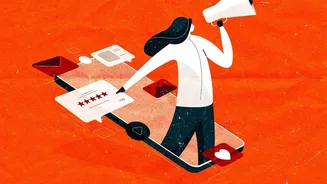
So how can you distinguish between genuine innovation and manufactured hype? First, look past the marketing language. Is the core benefit of the product clearly defined, or is it wrapped in vague promises of an enhanced lifestyle? A truly useful item has a specific function. Second, consider the source of the excitement. Is it driven by authentic user reviews detailing how the product solved a problem, or is it fuelled by a handful of influencers showing off the item in curated posts? The latter is a hallmark of hype culture, where popularity is often fleeting. Finally, ask yourself a simple question: if nobody knew you owned this item, would you still want it? If the answer is yes, it likely has intrinsic value to you. If you hesitate, you may be more interested in the social currency the item provides than its actual utility.
The Real Cost of Waiting
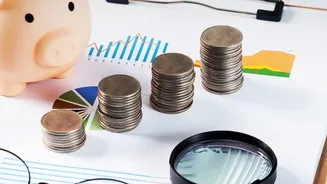
The price of a wait-listed item isn't just the final figure on your credit card statement. It includes the mental energy and emotional investment you pour into the process of acquiring it. Weeks or months can be spent tracking updates, reading speculative articles, and anticipating its arrival. This is valuable attention that could be directed elsewhere. When we are caught in the cycle of hype, we cede control of our desires to marketing campaigns designed to make us feel like we are lacking something. Breaking free from this cycle isn't about rejecting nice things; it's about making more conscious choices. It’s about ensuring that the things we choose to bring into our lives serve us, rather than the other way around.