





A Crown of Thorns
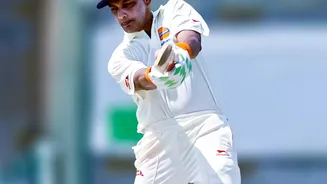
Sachin Tendulkar, arguably the greatest batsman of his generation, was in his second tenure as captain. But the role weighed heavily on him. A disastrous tour of Australia in 1999-2000, where India was whitewashed 3-0 in the Test series, was followed
by a humbling 0-2 Test series loss at home to South Africa. The defeats took a significant personal toll on Tendulkar, who felt he could not turn the tide despite giving his absolute best. The pressure was so immense that he wanted to step down to concentrate on his own batting, feeling the burden of captaincy was affecting him as a person. According to former BCCI officials, Tendulkar had even tendered his resignation after the first Test loss to South Africa, only to be persuaded to see out the series. It was clear that a change was inevitable.
The Match-Fixing Catastrophe
Compounding the on-field woes was a far greater crisis. In early 2000, the match-fixing scandal erupted, sending shockwaves through the cricketing world. The controversy implicated several established names and cast a dark shadow over the integrity of the sport itself. For fans, it was a moment of profound betrayal. The team wasn't just losing matches; it was losing the trust of the nation. This crisis of faith meant that the next captain would need to do more than just win games. They would have to be a figure of unimpeachable character who could cleanse the stables and restore the pride and passion associated with the Indian jersey.
The Search for a New Leader
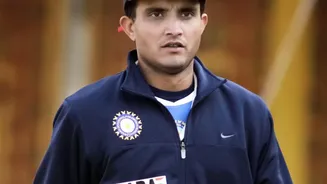
With Tendulkar formally resigning from the captaincy after the South Africa series, the selectors, led by Chandu Borde, began their search. The team needed a leader who could navigate this perfect storm of poor form and public disillusionment. They needed someone who was not only a certainty in the playing XI but also possessed the mental fortitude to lead a demoralised unit. The vice-captain at the time was a stylish and aggressive left-handed batsman from Bengal, Sourav Ganguly. He had been a consistent performer and had shown leadership qualities, even captaining an inexperienced side to a series win in Toronto in 1999 in the absence of senior players.
Enter the Prince of Kolkata
Sourav Ganguly was the logical and, as it turned out, the perfect choice for the moment. Known for his aggressive mindset and fearless approach, he was the antithesis of the prevailing gloom. Ganguly was not someone to be intimidated, either by the opposition or the scale of the challenge ahead. The selectors saw in him a leader who could inject a new, combative spirit into the team. He was known to be proactive and had a reputation for backing his players, especially young talent. This was precisely what was required to rebuild the team from the ground up, moving past the shadows of the senior players embroiled in controversy and fostering a new generation of cricketers.
A New Era of Fearlessness
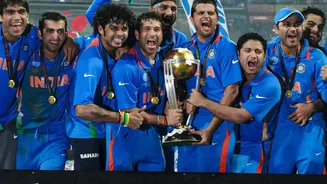
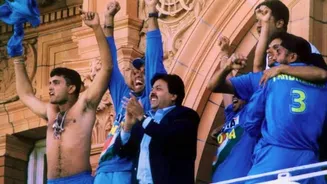
Ganguly's appointment immediately signalled a cultural shift. He took a team that was ranked eighth in the world and began transforming it into a formidable fighting unit. He famously nurtured the careers of young, future legends like Virender Sehwag, Yuvraj Singh, Harbhajan Singh, and Zaheer Khan, empowering them to play with aggression and self-belief. Under his leadership, India started winning Test matches overseas, a feat that had been incredibly rare. He led India to the final of the 2003 World Cup and secured a historic series win against Australia at home in 2001. His captaincy was defined by passion, a willingness to take the fight to the opposition, and an unwavering belief in his team.