



Aromatic Detour: The Spice Plantations
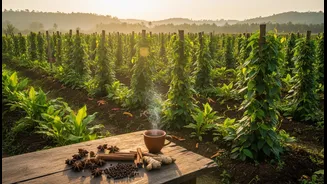
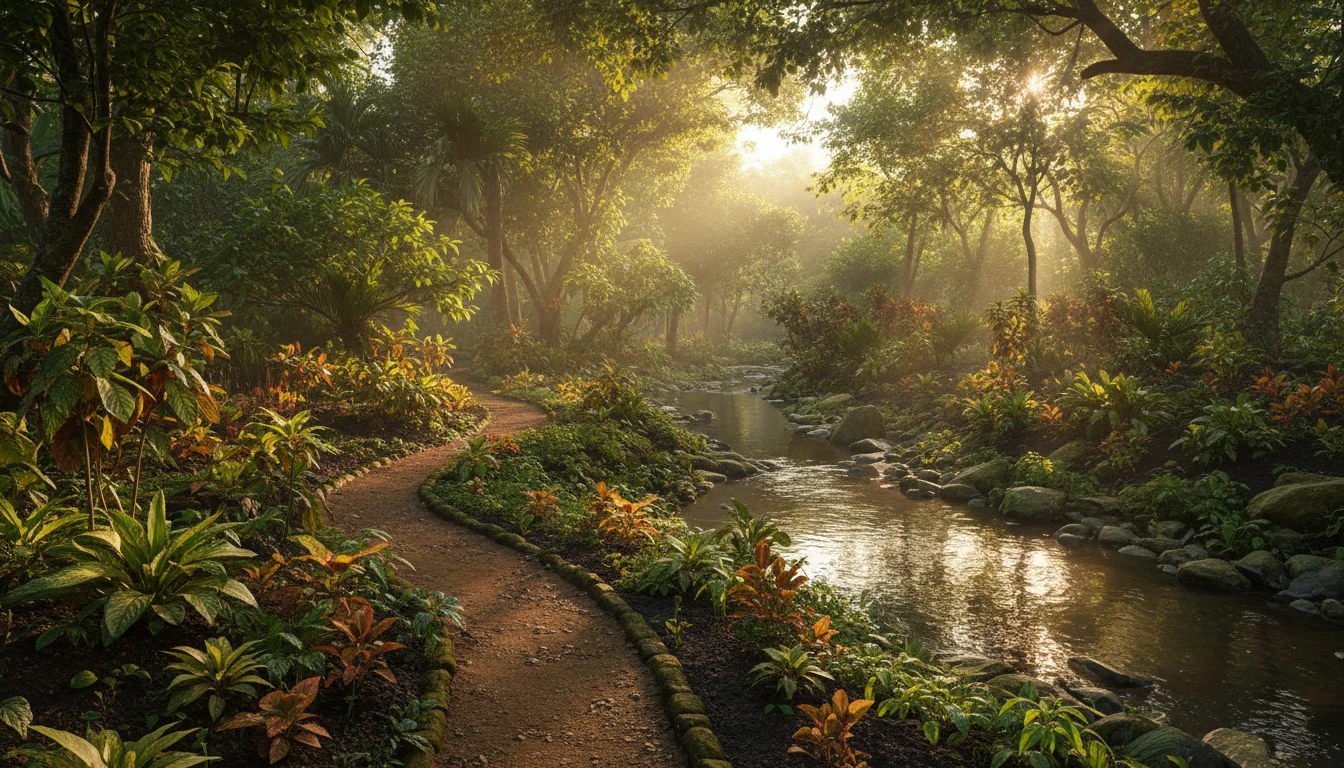
Just a short drive inland from the crowded coast, the air grows cooler and fragrant with the scent of spices. Goa's spice plantations, many located around the Ponda area, offer a sensory journey into the region's agricultural heart. A typical tour begins
with a traditional welcome, often featuring a refreshing herbal tea. A guide then leads you through lush estates, pointing out black pepper vines climbing tall trees, nutmeg hanging like fruit, and the surprising origins of cinnamon and cardamom. It’s a living botanical garden where you can see, smell, and touch the ingredients that define Goan cuisine. Many visitors are surprised to learn how these familiar spices grow in their natural environment. The experience usually concludes with a generous buffet-style Goan meal, prepared using fresh ingredients straight from the farm, making for an authentic and flavourful end to the visit.
Step into History: Heritage Village Walks
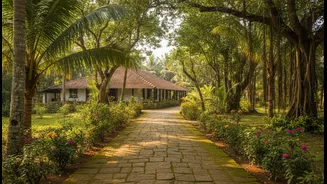
To truly understand the soul of Goa, you must walk through its villages. Here, life moves at a slower, more deliberate pace, or 'susegad'. Guided heritage walks are becoming a popular way to explore these timeless settlements. In villages like Saligao, you can saunter down narrow lanes flanked by lush paddy fields and admire the unique Neo-Gothic architecture of the Mae De Deus Church. On Divar Island, a short ferry ride across the Mandovi River transports you to a world of Indo-Portuguese houses, ancient temples, and winding roads. These walks are not just about sightseeing; they are an invitation to connect with local life. Organised tours often include interactions with residents, who share stories of their heritage, and may even end with high tea at a beautiful ancestral home.
Go with the Flow: Rivers and Backwaters
The rivers of Goa, such as the Mandovi and Chapora, offer a completely different perspective of the state's natural beauty. Once serving as historical boundaries, these waterways now provide serene avenues for exploration. For a peaceful afternoon, you can try kayaking through quiet mangroves, spotting kingfishers and other local birdlife in sanctuaries like Dr. Salim Ali Bird Sanctuary. More leisurely options include houseboat cruises that drift along the calm backwaters, offering picturesque views of village life from the water. These cruises can range from a few hours during the day to an overnight experience, complete with traditional Goan meals served onboard. This river-centric tourism allows you to experience a tranquil side of Goa that remains untouched by the beach crowds.
Embracing the Hinterland Lifestyle
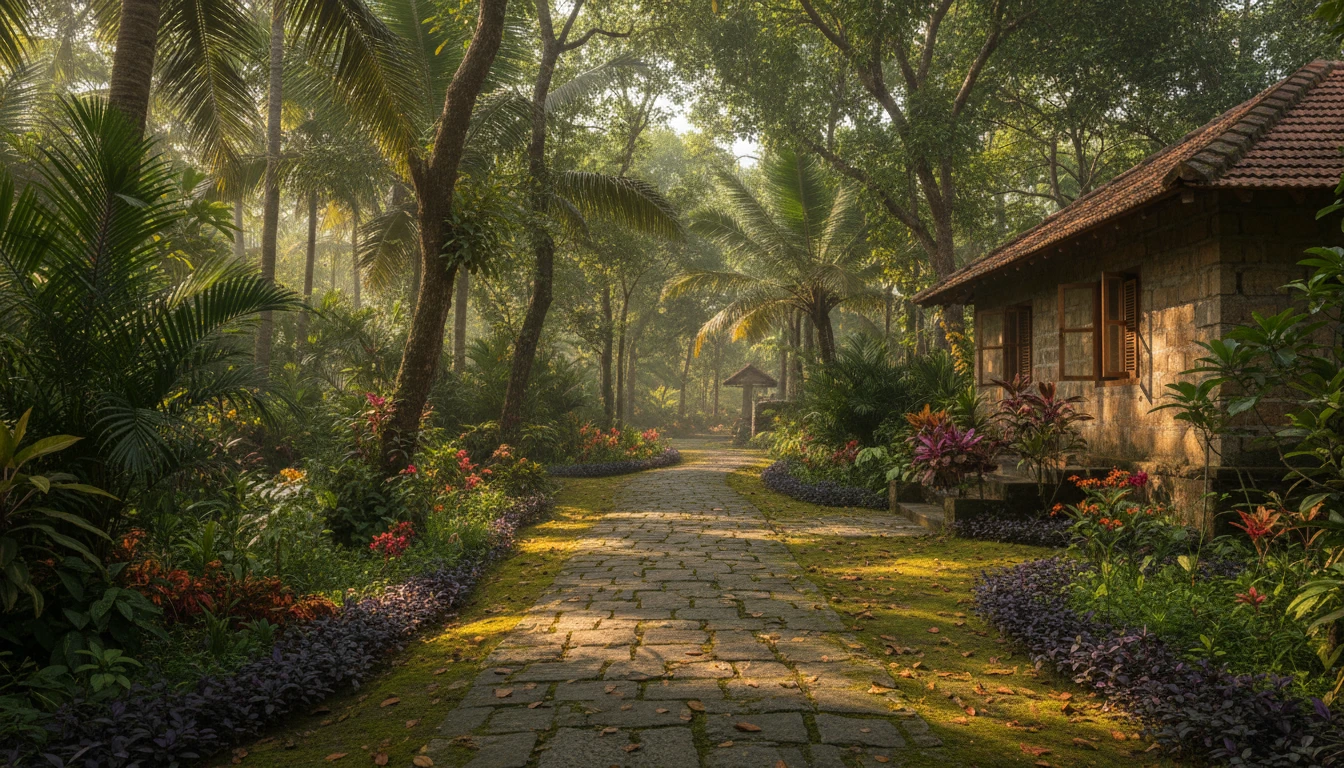
This shift towards inland exploration is more than just a trend; it's a move towards more sustainable and community-focused travel. A growing number of eco-resorts, farm stays, and heritage homestays are opening in rural Goa, allowing travellers to immerse themselves fully in the hinterland experience. The Government of Goa is also actively promoting this shift by launching schemes to support homestays in rural talukas, making it easier for locals to host visitors and share their culture. Staying in these areas helps distribute tourism income to rural communities and reduces the environmental pressure on the popular coastal belt. Whether you choose a cottage overlooking a plantation or a room in a restored Portuguese-era house, you are contributing to a more balanced and authentic form of tourism.