


The Science of Spoilage
The primary reason food spoils quickly during the rainy season is moisture. High humidity in the air provides the ideal damp and warm conditions for bacteria, mould, and fungi to thrive. This affects everything from leafy greens to powdered spices. Microorganisms
multiply rapidly in this environment, altering the texture, smell, and colour of food, making it unsafe for consumption. Even cooked food left at room temperature is at higher risk. This is why simply buying groceries is not enough; how much you buy and how you store it becomes critical.
Leafy Greens and Fresh Vegetables
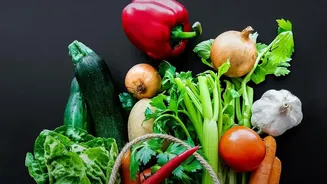
Leafy greens like spinach and coriander are particularly vulnerable during the monsoon. Their delicate leaves can harbour harmful bacteria and spoil quickly in the damp conditions. It's best to avoid buying them in large bunches. Instead, purchase smaller quantities that you can consume within a day or two. Before storing, wash all vegetables thoroughly under clean running water; you can add a little salt to the water for extra cleaning. Crucially, dry them completely before refrigeration, as leftover moisture will accelerate decay. Wrapping greens in a paper towel can help absorb excess moisture.
Flours, Spices, and Pulses
Pantry staples are not immune to the monsoon's effects. Flours like atta and besan, as well as powdered spices, can absorb moisture from the air, leading to clumping and mould growth. The best strategy is to buy smaller packs more frequently rather than stocking up in bulk. Upon opening, immediately transfer these items into clean, dry, and airtight containers. For whole spices, their flavour and potency are better preserved, but they too need protection from humidity. For lentils and pulses, adding a few bay leaves to the storage container can help deter pests.
Fruits and Cut Produce
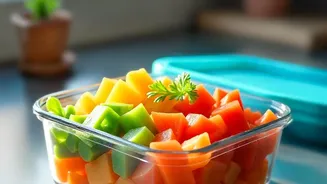
While fruits are a healthy choice, be cautious with pre-cut fruits and salads sold in markets, as they carry a higher risk of contamination during this season. It is much safer to buy whole fruits, wash them thoroughly at home, and consume them as soon as they are cut. Avoid leaving cut fruits exposed for long periods. Store them in the refrigerator in a clean, covered container. For fruits like bananas and melons, which spoil faster in humidity, buying only what you need for the next day or two is a wise approach.
Dairy, Meats, and Perishables
High-risk perishable foods such as milk, paneer, meat, and fish demand extra attention. The combination of heat and humidity speeds up spoilage significantly. Make it a rule to check manufacturing and expiry dates diligently before purchasing. It is safer to opt for smaller, more frequent purchases of dairy products. All perishables should be refrigerated immediately upon reaching home to slow down the growth of harmful microorganisms. Ensure that raw meat and eggs are stored separately from other foods in the refrigerator to prevent cross-contamination.
Snacks and Packaged Goods
Even your favourite crispy snacks like biscuits and chips can fall victim to the monsoon, turning soggy and losing their texture. The moment you open a packet, the contents are exposed to the humid air. The best way to protect them is to transfer them to an airtight container immediately. This simple step acts as a shield against moisture, keeping your snacks fresh and crisp for longer.