






Ever feel sluggish, foggy, or just 'off' during the winter months? It might not be the shorter days. Dehydration is a sneaky culprit in the cold, as our bodies' thirst signals become unreliable just when we need them. Here's why it happens.
The Sneaky Science of Winter Dehydration
On a hot summer
day, your body gives you clear signals to drink water: you feel hot, you're visibly sweating, and you feel thirsty. In winter, these cues all but disappear, yet the risk of dehydration remains. In fact, your thirst response can decrease by up to 40% in the cold. This happens for a few key physiological reasons. First, when you're cold, your blood vessels constrict (a process called vasoconstriction) to pull blood away from your extremities and toward your core to conserve heat. This increase in central blood volume tricks your brain into thinking you're adequately hydrated, suppressing the hormones that would normally make you feel thirsty.
The Invisible Ways You're Losing Water
Your blunted thirst signal isn't the only factor. You also lose a significant amount of water simply by breathing. When you inhale cold, dry air, your body must warm and humidify it. That moisture is then lost when you exhale — you can see it as vapor on a frigid day. This respiratory water loss can be substantial, especially during physical activity. Furthermore, you are still sweating under all those winter layers, but the dry air causes sweat to evaporate much more quickly, so you might not feel damp or realize you're losing fluids. The body's response to cold can also increase urine output, a phenomenon known as cold-induced diuresis, further depleting your fluid reserves without you feeling it.
Recognise the Subtle Signs
Since you can't rely on thirst, it's important to recognise the other, more subtle signs of dehydration. These often masquerade as common winter complaints. Watch out for unexplained fatigue, trouble concentrating, headaches, dry skin or lips, and dizziness. Even mild dehydration can impact your mood, cognitive function, and physical performance. A simple way to check your hydration status is to monitor the colour of your urine; if it's dark yellow or amber, it's a clear sign you need to drink more fluids.
Tip 1: Make It Warm and Inviting
A cold glass of water is often the last thing you want when you're already chilly. The good news is that warm beverages are just as hydrating. Start your day with a mug of warm water and lemon, or sip on herbal teas throughout the day. Broth-based soups also count toward your fluid intake and have the added benefit of providing nutrients and electrolytes to help your body absorb the water you consume. Having a warm, comforting drink on hand makes it much easier to sip consistently.
Tip 2:
Eat Your Water
About 20% of your daily fluid intake comes from the food you eat, so make smart choices. Winter is the perfect season for hydrating meals like soups, stews, and curries. Many seasonal fruits and vegetables are also packed with water. Incorporate foods like oranges, pears, zucchini, and sweet peppers into your diet. Snacking on a juicy apple or adding cucumber to a sandwich are easy ways to boost your hydration without even thinking about it.
Tip 3:
Drink on a Schedule,
Not on a Whim
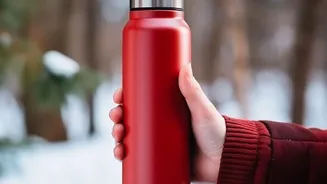
Since your thirst can't be trusted in the cold, the most effective strategy is to be proactive. Don't wait until you feel thirsty to drink. Instead, create a routine. Keep a water bottle on your desk or in your car as a visual reminder. Try to link drinking water to other daily habits: have a glass when you wake up, before every meal, and after you brush your teeth. Using a water bottle with time markers or a tracking app can also help you stay on target throughout the day.
Tip 4:
Hydrate Before,
During,
and After Exercise
Whether you're hitting the slopes, going for a winter run, or just shovelling snow, remember that you're losing significant fluid. The extra layers of clothing increase your body's workload and can cause you to sweat more than you realize. Make a conscious effort to drink water before you head out, take sips during your activity if possible, and always rehydrate thoroughly afterward. Don't let the lack of visible sweat fool you into skipping this crucial step for recovery and performance.