
The Life and Death of a Star
Most stars in the universe, including our own Sun, have a predictable life cycle. They spend billions of years fusing hydrogen into helium. When that fuel runs low, they swell into massive red giants, often consuming any inner planets in their path. After
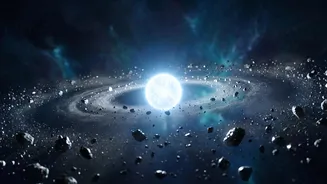
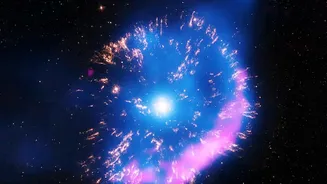
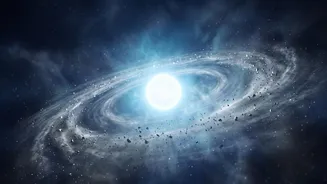
this dramatic phase, the star sheds its outer layers, leaving behind a small, incredibly dense, and hot core called a white dwarf. This stellar remnant is considered 'dead' because it no longer generates energy through fusion, but it's so hot it continues to shine for billions of years. For a long time, this was seen as the epilogue for a star system. Any surviving planets would be pushed into more distant orbits, while closer ones would be destroyed.
A Phoenix from the Ashes
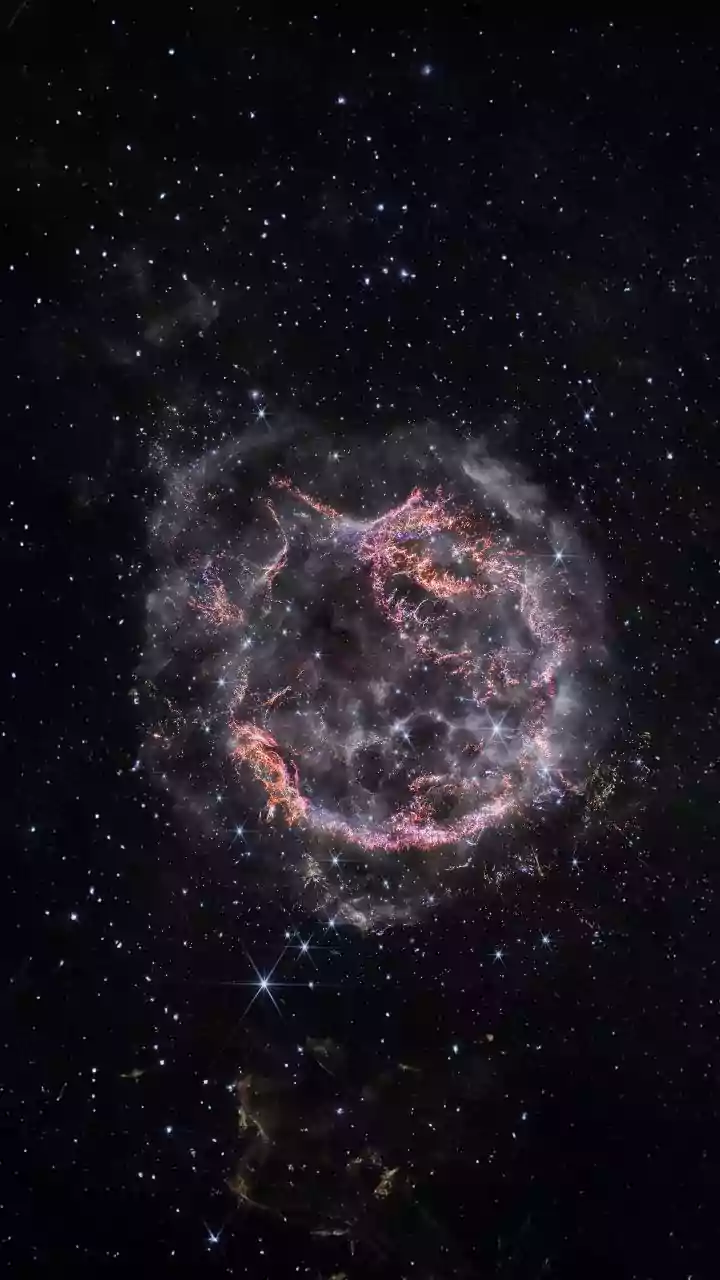
The conventional story of planet formation is that planets like Earth form from the disk of gas and dust left over from a star's birth. These are called first-generation planets. But what if planets could form again, long after the star has died? This is the concept of a second-generation planet. Scientists have theorized that the material ejected during a star's red giant phase could, under the right conditions, form a new 'protoplanetary disk' around the resulting white dwarf. From this cosmic debris, a whole new set of planets could be born. While second-generation planets have been suspected to exist around pulsars (different stellar remnants), finding one around a far more common white dwarf was considered highly unexpected.
The Clues Around HS 0209+0832
Astronomers are now focused on a white dwarf named HS 0209+0832, located about 270 light-years away. By reanalysing 25-year-old data from the Hubble Space Telescope, a team led by the University of Warwick made a startling discovery in the star's atmosphere. White dwarfs often show traces of heavy elements, which are thought to come from asteroids or rocky bodies they've consumed. But HS 0209+0832's atmosphere had a chemical signature unlike any known meteorite or celestial body. Most notably, it contained niobium—an element forged under the exotic conditions inside a dying star—at levels 1,000 times higher than in our Sun. The presence of this and other elements like zinc and copper strongly suggests the white dwarf is accreting material from a body formed from the star's own cast-off material.
Why Scientists Remain Cautious
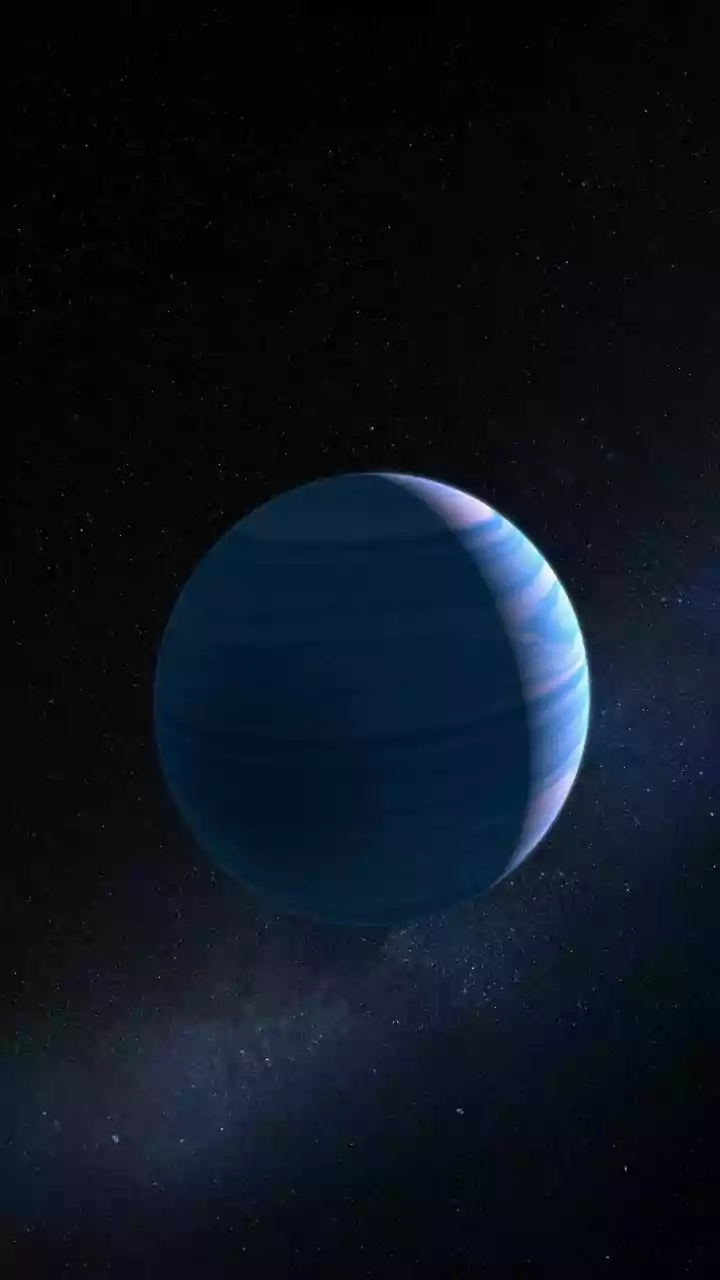
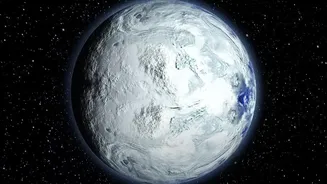
Despite the compelling chemical evidence, the planet's existence is not yet confirmed. What astronomers have is indirect proof. Further data from NASA’s TESS satellite detected a repeating brightness variation every 4.4 days. This signal could be caused by a Jupiter-sized gas giant orbiting extremely close to the white dwarf. The theory is that the intense radiation from the hot white dwarf is boiling away the planet's atmosphere, causing some of that material—rich in niobium—to fall onto the star, which is what Hubble detected. However, this is an interpretation of the data. Another possibility is that a first-generation planet survived and was somehow polluted by the heavy elements before moving into its current close orbit. Direct observation is needed to confirm the planet is truly there.
Rewriting the Rules of Planetary Life
If confirmed, the discovery of a second-generation planet around a white dwarf would be a landmark moment in astronomy. It suggests that planetary systems can have a 'second act' and that planet formation is not a one-time event that only happens around young stars. It opens up the fascinating possibility that countless other white dwarfs in our galaxy could host their own reborn worlds. Some researchers even note that while the candidate planet is currently being blasted by its hot star, the white dwarf will eventually cool down. A planet in a stable orbit could then potentially remain in a habitable zone for billions of years, far longer than Earth has been around. This discovery points to a much longer and more complex story of stellar evolution, where death is not the end, but possibly a new beginning.