




A quiet revolution is unfolding at dawn in India’s cities. In parks from Bengaluru to Delhi, young professionals are swapping solitary gym sessions for group workouts, turning green spaces into vibrant hubs of fitness and friendship.
An Antidote to the Isolated Grind
For many young people
navigating high-pressure jobs and the anonymity of city life, urban loneliness has become a silent epidemic. Traditional social venues are being replaced by something more intentional. Fitness is evolving from a personal chore into a shared social experience. These park gatherings serve as a 'third place'—a crucial social environment outside of home and work where genuine connections are forged. Unlike a formal networking event, the shared goal of a workout makes interaction feel natural and low-pressure, creating a powerful remedy for the isolation many feel in a bustling metropolis. In cities like Chennai and Bengaluru, what often start as informal invites on social media have snowballed into large, diverse communities of people aged 18 to 35 and beyond.
Wellness Without the Wallet Drain
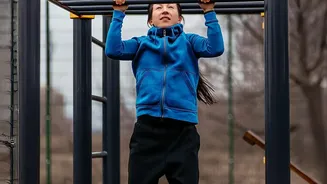
A major driver of this trend is accessibility. Unlike expensive gym memberships, which can be both costly and intimidating, park workouts are often free or very low-cost. This removes a significant barrier to entry, welcoming people from all fitness levels and economic backgrounds. The focus is on consistency and community rather than expensive equipment or exclusive contracts. Groups often use bodyweight exercises like calisthenics or simply meet for running and walking, proving that effective fitness doesn't require a hefty price tag. This affordability democratises wellness, making a healthy, active lifestyle attainable for a much broader segment of the urban population.
The Power of Green Exercise
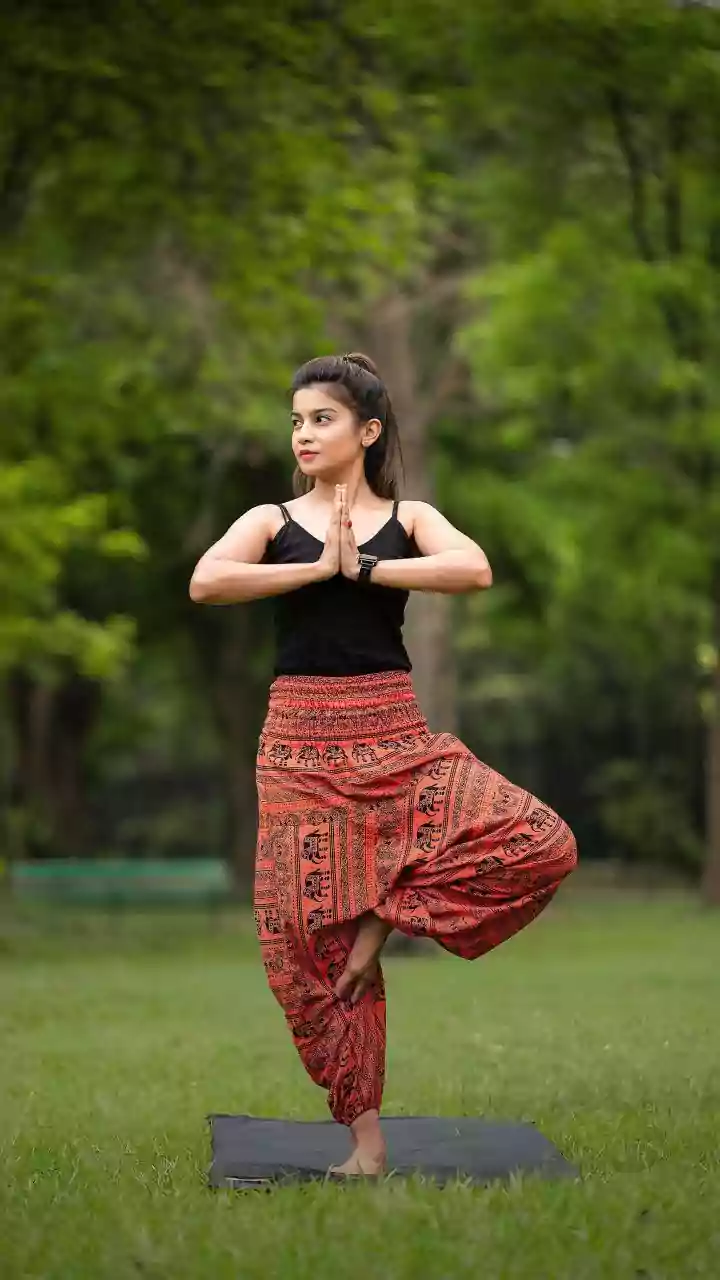
The benefits of exercising outdoors go far beyond the physical. Scientific studies confirm that being in nature has a profound impact on mental well-being. Exposure to green spaces and natural sunlight can reduce levels of the stress hormone cortisol, elevate mood through the release of endorphins, and boost Vitamin D levels. For urbanites surrounded by concrete and screens, a workout in a park offers a vital dose of 'green therapy'. It provides a sensory break from city noise and digital saturation, promoting mindfulness and reducing the cognitive fatigue of a hectic workday. This combination of physical activity and mental rejuvenation is a key reason why parks are increasingly seen as essential urban wellness hubs.
Community, Accountability, and Connection
The social element is arguably the most powerful component of this movement. Exercising with a group fosters a sense of accountability and motivation that is difficult to replicate alone. When you know a group is waiting, you are more likely to show up. This communal approach has been shown to significantly improve adherence to regular exercise. These groups, often coordinated via WhatsApp or Instagram, blend physical activity with social interaction, with sessions frequently ending in shared breakfasts or coffee. Running clubs in cities like Hyderabad and Pune have transformed a solitary activity into a vibrant social experience, with members benefiting from peer motivation and community events. This social reinforcement turns fitness into a lifestyle, embedding it within a supportive network of like-minded peers.