






1. Apples for Digestive Health
An apple a day isn't just a saying; it's sound advice, especially when high humidity can slow digestion. Apples are packed with pectin, a type of soluble fiber that acts as a prebiotic. This means it feeds the good bacteria in your gut, promoting a healthy
microbiome that's crucial for both digestion and immunity. During seasons with a higher risk of waterborne contaminants, a strong gut is your first line of defense. Apples are also a source of antioxidants like quercetin, which can help reduce inflammation. Opt for fresh, crisp apples and be sure to wash them thoroughly before eating.
2. Pomegranates for an Antioxidant Punch
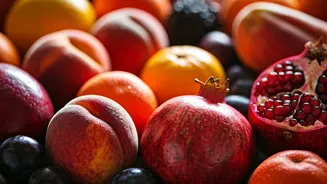
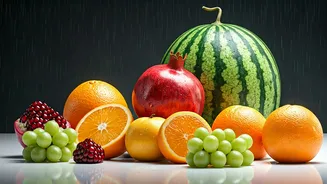
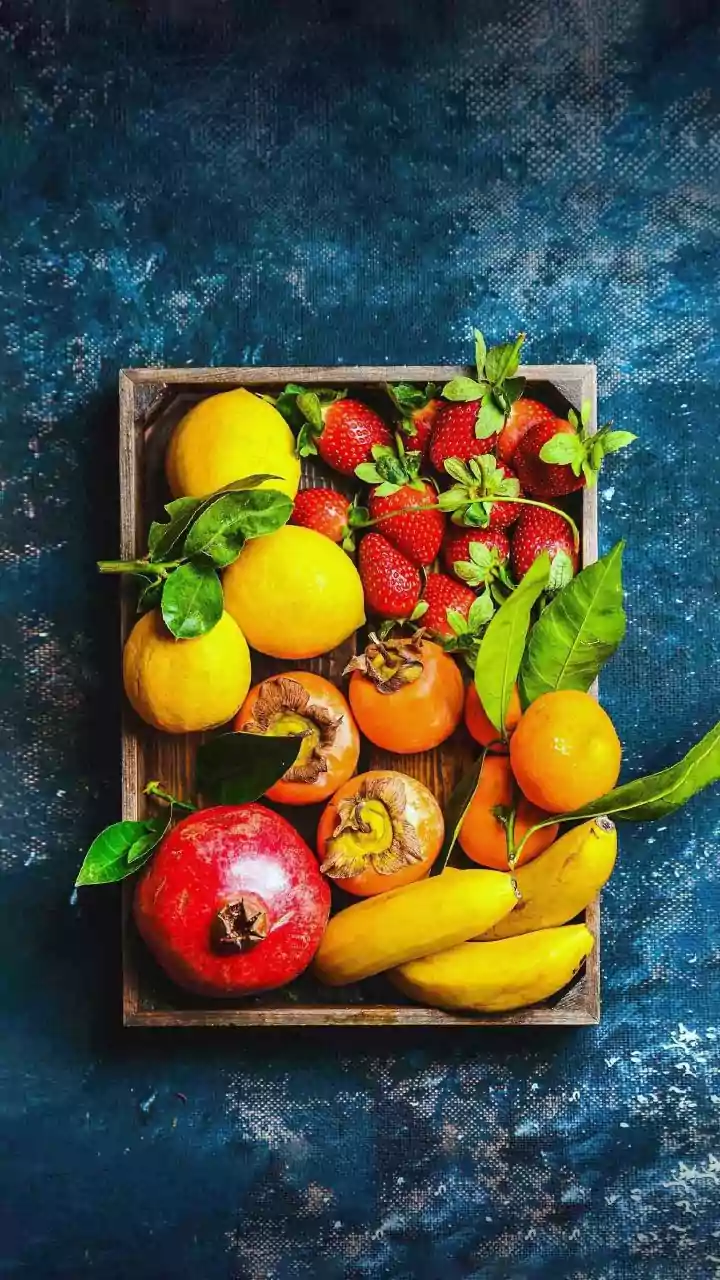
Pomegranates are a nutritional powerhouse, loaded with powerful antioxidants called punicalagins and anthocyanins. These compounds are fantastic for fighting inflammation and supporting your body’s natural defenses. In periods of damp, muggy weather, when you might feel more sluggish or susceptible to colds, incorporating pomegranates can give your immune system a significant boost. The seeds, or arils, are also a good source of Vitamin C and Vitamin K. Sprinkle them on yogurt, add them to salads, or simply enjoy a handful on their own for a tart, refreshing, and protective snack.
3. Pears for Gentle Fiber and Hydration
Often overlooked, pears are an excellent choice for humid climates. They have a high water content, which aids in hydration, and they are rich in soluble and insoluble fiber. This combination helps maintain regular bowel movements without being harsh on your digestive system, which can sometimes become sensitive in the heat. Pears are also a decent source of copper and Vitamin C, both of which play roles in maintaining a healthy immune response. Their gentle sweetness makes them a satisfying snack that won't weigh you down.
4. Plums to Support Immunity
Don’t sleep on plums. These juicy stone fruits are celebrated for their impressive Vitamin C content, a critical nutrient for bolstering the immune system and helping your body fight off common seasonal ailments. They are also known for their natural sorbitol content, which can help alleviate constipation—a common complaint when weather changes affect diet and activity levels. Rich in antioxidants and low on the glycemic index, plums provide a burst of flavor and nutrients without causing a major spike in blood sugar. Their vibrant color is a good indicator of the beneficial plant compounds within.
5. Cherries to Fight Inflammation
Whether you prefer sweet or tart varieties, cherries are an anti-inflammatory superstar. They are packed with anthocyanins, the same type of antioxidant found in pomegranates, which have been studied for their ability to reduce oxidative stress and inflammation in the body. This can be particularly beneficial when the body is under stress from extreme heat and humidity. Cherries also contain melatonin, which may help regulate sleep cycles—something that can be easily disrupted by uncomfortable, muggy nights. They make a perfect light dessert or post-workout snack to help with muscle recovery.
6. Peaches for Skin and Hydration
Nothing says summer quite like a ripe, juicy peach, and its benefits go beyond its delicious taste. With a water content of almost 90%, peaches are incredibly hydrating. They are also a great source of Vitamin A and Vitamin C, two nutrients essential for skin health. Humid, sticky weather can often lead to skin issues, and the vitamins in peaches help support skin repair and protect it from damage. The fiber in peaches also aids in digestion, making them a well-rounded choice for maintaining overall wellness during the most demanding months of the year.