





A Tradition Rooted in Energy
During Navratri, many devotees observe fasts, or 'vrats', which often involve abstaining from grains, lentils, and certain spices. This is where Sabudana Khichdi steps in as a beloved staple. The primary reason for its popularity is simple: it provides
a quick and easily digestible source of energy. Sabudana, or tapioca pearls, are almost entirely made of carbohydrates, which the body can efficiently convert into glucose to fuel itself during long fasting hours. This prevents the fatigue and sluggishness that can accompany a restricted diet, allowing individuals to maintain their strength and focus on spiritual practices.
The Science of Sago Pearls
Sabudana is not a grain, but a processed starch extracted from the root of the cassava plant, also known as tapioca. This makes it a permissible food item during fasts when cereals are avoided. Nutritionally, it is a powerhouse of carbohydrates, with about 87 grams per 100-gram serving, but it is low in protein, fibre, and other micronutrients. Because of its composition, it has a high glycemic availability, meaning it quickly raises blood sugar to provide that instant energy boost. It's also naturally gluten-free and gentle on the stomach, which is another reason it's favoured during periods of dietary change or recovery.
More Than Just Carbs
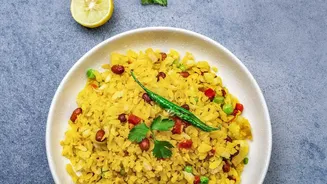
While sabudana itself is mainly starch, the magic of the khichdi lies in its other ingredients, which transform it into a more balanced meal. Roasted and crushed peanuts are a crucial component, adding not just a delightful crunch but also essential protein and healthy fats. Potatoes, another fasting-friendly ingredient, add more carbohydrates and substance. The dish is typically tempered with cumin seeds, curry leaves, and green chillies in hot ghee or oil, with a final squeeze of lemon juice and a garnish of fresh coriander. These elements don't just add flavour; they create a well-rounded dish that is savoury, satisfying, and keeps you feeling full for longer.
A Journey to the Indian Kitchen
Interestingly, the ingredient at the heart of this traditional fasting dish has a global history. Tapioca is native to South America and was introduced to India through Kerala in the 1800s by the ruler of Travancore to combat a famine. Initially known as 'kappa', its use as the pearly sabudana we know today became widespread much later. Commercial production began in Salem, Tamil Nadu, in the 1940s, especially as rice became scarce during World War II. From a food of necessity, it evolved into a food of faith, becoming deeply integrated into the fasting traditions of Maharashtra, Gujarat, Rajasthan, and across North India.
The Perfect Fasting Companion
Preparing the perfect non-sticky Sabudana Khichdi is considered an art form in many households, revolving around the crucial step of soaking the pearls in the right amount of water for the right duration. The goal is to achieve soft, separate, and translucent pearls. The final dish is a testament to how simple ingredients can create something truly special. It is light on the digestive system, provides sustained energy, adheres to 'vrat' rules, and, most importantly, tastes delicious. This combination of practicality and pleasure is what has cemented its place as the undisputed king of fasting delicacies.