




The Monsoon Challenge for Vegetables
The rainy season presents a unique set of challenges for fresh produce. The combination of high humidity, persistent dampness, and waterlogged soil creates the perfect environment for bacteria, fungi, and pests to thrive. Vegetables are more susceptible
to contamination at every stage, from the farm to transportation and finally, the open-air market. This increased moisture accelerates spoilage, meaning produce that looks fresh can deteriorate quickly once you bring it home. Furthermore, the risk of contamination from soil and waterborne pathogens is significantly higher during this period, making careful selection paramount.
Mastering the Market: A Shopper’s Guide
Your best tool at the market is careful observation. Always inspect produce before buying. Look for vegetables that are crisp and firm, not wilted, slimy, or excessively wet. Avoid anything with visible signs of mould, insect damage, or an unpleasant odour, as these are clear indicators of spoilage. Be particularly wary of pre-cut vegetables sold at stalls. While convenient, the combination of exposed surfaces, heat, and humidity allows bacteria to multiply rapidly, increasing the risk of foodborne illnesses. Opt for whole vegetables that you can wash and cut yourself at home.
Leafy Greens: Handle with Extra Care
Leafy vegetables like spinach, cabbage, and coriander require special attention during the monsoon. Their layered leaves can easily trap mud, moisture, tiny insects, and microbes, making them difficult to clean thoroughly. Contaminated soil and rainwater can settle between the leaves, posing a risk of stomach infections. While they are highly nutritious, experts advise either cooking them thoroughly or being extremely meticulous with washing. When buying, choose bunches that are crisp and bright, avoiding any with yellowing or slimy leaves. If you choose to consume them, ensure they are cooked well rather than eaten raw in salads.
Cruciferous and Other High-Risk Vegetables
Vegetables like cauliflower and broccoli, with their tightly packed florets, are another category to inspect closely. These crevices can trap moisture, mud, and insects, making them difficult to clean and promoting fungal growth. Similarly, some experts suggest caution with brinjal, as its spongy texture can absorb moisture and make it prone to rot. Vegetables with high water content that are often eaten raw, like cucumber and tomatoes, should also be chosen carefully and washed thoroughly, as any surface germs can easily enter your system when they are not cooked.
Safer Bets: The Best Monsoon Picks
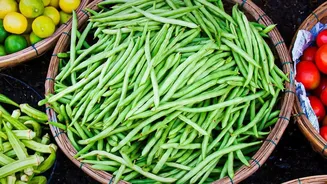
To minimise risks, focus on vegetables that are naturally hardier during this season. Gourds are an excellent choice. Vegetables like bottle gourd (lauki), ridge gourd (turai), pointed gourd (parwal), and pumpkin (kaddu) have a thick outer skin that provides a natural protective barrier. They are generally a safer choice as they are less susceptible to the issues plaguing leafy greens. Other good options include bitter gourd (karela), Indian squash (tinda), and beans. These vegetables are not only in season but are also less likely to harbour contaminants.
From Market to Home: Cleaning and Storage
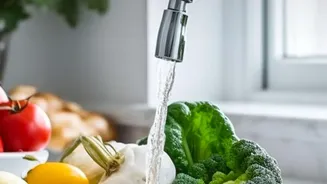
Once you get your haul home, proper handling is key. It's best practice to wash vegetables only just before you plan to use them, as washing beforehand can introduce moisture that accelerates spoilage during storage. For a thorough clean, you can rinse them under running water and then soak them in a bowl of water with a bit of salt or vinegar before a final rinse. After cleaning, dry vegetables completely. Store leafy greens wrapped in paper towels to absorb excess moisture. Root vegetables like potatoes and onions should be kept in a cool, dry place, not the refrigerator. Proper storage prevents cross-contamination and helps your carefully selected produce last longer.