




The Case Against a White Rice-Heavy Diet
For generations, polished white rice has been a comforting staple on Indian plates. It’s easy to cook, soft to eat, and gentle on the stomach. However, this convenience comes at a nutritional cost. The refining process that gives white rice its pearly
appearance strips away the bran and germ, which contain the bulk of its fibre, vitamins, and minerals. What’s left is mostly simple starch. A diet heavily reliant on low-fibre foods like white rice can be problematic for gut health, as it provides little nourishment for the trillions of beneficial bacteria that reside in our digestive tract. These microbes are essential for everything from digestion to immunity, and they thrive on a specific type of food: prebiotic fibre.
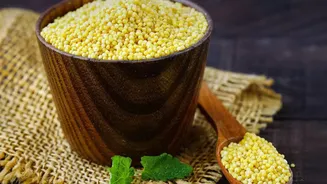
Meet Foxtail Millet (Kangni/Thinai)
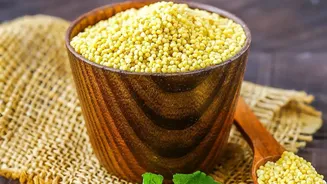
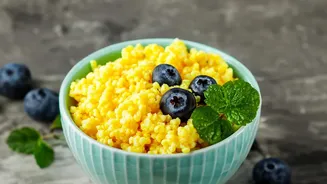
Foxtail millet, known as Kangni in Hindi and Thinai in Tamil, is an ancient grain making a powerful comeback. It is a nutritional powerhouse, packed with protein, essential minerals like iron and magnesium, and most importantly, dietary fibre. Unlike white rice, foxtail millet contains a significant amount of both soluble and insoluble fibre. Soluble fibre helps slow down digestion, promoting better nutrient absorption, while insoluble fibre adds bulk, which aids regular bowel movements and helps prevent constipation. This impressive fibre content makes it a superior choice for maintaining a healthy and active digestive system.
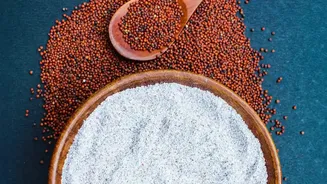
Say Hello to Sorghum (Jowar)
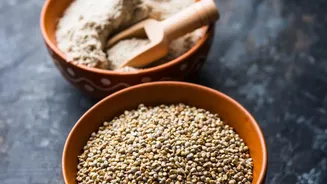
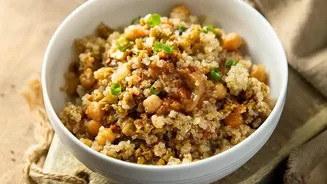
Sorghum, or Jowar as it is widely known in India, is another gluten-free champion that has been a part of traditional diets for centuries. With about 10-11 grams of protein and nearly 7 grams of fibre per 100g serving, Jowar is a formidable grain. But its benefits go beyond just fibre. Jowar is rich in phenolic compounds and antioxidants that can help reduce inflammation in the digestive tract. Its bran contains polyphenols that may positively influence gut microbiota, creating a healthier internal environment. Furthermore, its low glycaemic index ensures a slower release of sugar into the bloodstream, providing sustained energy without the spikes and crashes associated with refined grains.
The Prebiotic Power of Millets
The secret to the gut-boosting power of foxtail millet and sorghum lies in their role as prebiotics. The non-digestible carbohydrates and resistant starch in these millets pass through the stomach and small intestine undigested, reaching the colon where they become food for beneficial gut bacteria like Bifidobacteria and Lactobacilli. Feeding these good microbes helps them flourish, which in turn improves digestion, strengthens the gut barrier, and even supports your immune system. A diet rich in prebiotic fibre from sources like these millets is one of the most effective ways to cultivate a diverse and resilient gut microbiome.
Making the Switch: Practical Tips
Incorporating these millets into your diet doesn't require a complete overhaul of your eating habits. The key is to start gradually. You can begin by mixing a small portion of cooked foxtail millet or sorghum with your regular rice. Another easy way is to use them in familiar dishes. Foxtail millet, with its light and fluffy texture when cooked, is an excellent direct substitute for rice in dishes like pulao, khichdi, and lemon rice. Jowar flour can be used to make rotis that are not only nutritious but also surprisingly soft. You can also explore millet versions of breakfast favourites like upma, dosa, and idli for a healthy and filling start to your day.