






The Golden Healer: Turmeric (Haldi)
This vibrant yellow spice is a cornerstone of Indian cooking and Ayurvedic medicine for good reason. Turmeric's power comes from curcumin, a compound with potent anti-inflammatory, antioxidant, and antimicrobial properties. During the monsoon, when the risk
of infections is higher, turmeric helps strengthen your immune response. It’s particularly effective in warding off the seasonal coughs and colds. For maximum benefit, it's often recommended to pair turmeric with a pinch of black pepper, which enhances curcumin absorption. A warm glass of 'haldi doodh' (turmeric milk) before bed is a classic, comforting ritual that can soothe a sore throat and support overall wellness.
The Warming Root: Ginger (Adrak)
There's nothing quite like a cup of hot ginger tea on a rainy day. This humble root is a powerhouse, known for its ability to aid digestion and fight respiratory ailments. Ginger contains gingerol, a bioactive compound that helps reduce inflammation and provides a warming effect, which is perfect for the cool, damp weather. It's an excellent remedy for a sore throat, nausea, and bloating—common complaints during this season. Adding freshly grated ginger to your morning tea, soups, or curries can help keep your digestive system running smoothly and your immunity strong.
The Immunity Booster: Garlic (Lehsun)
Garlic is another kitchen staple celebrated for its medicinal properties. It is valued as nature's antibacterial booster, largely due to a compound called allicin. Allicin has potent antimicrobial properties that help the body fight off bacteria and viruses, making garlic an essential food for monsoon. Including garlic in your daily cooking—whether in dals, stir-fries, or soups—can enhance your immune system's ability to combat common flu viruses. It helps keep seasonal illnesses at bay while adding a punch of flavour to your meals.
The Gentle Giant: Moong Dal
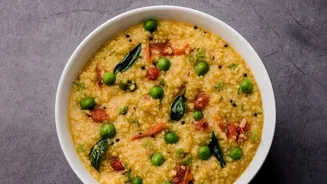
During the monsoon, our digestive system can become sluggish. This is where moong dal comes in as a true superfood. It is one of the most easily digestible legumes, providing a high-quality source of protein, fibre, and essential minerals without putting a strain on your gut. A warm bowl of khichdi, made from moong dal and rice, is the ultimate comfort food for this season. It's light, nourishing, and often recommended when one is feeling under the weather. Its gentle nature makes it perfect for maintaining energy levels and supporting gut health when the body is most vulnerable.
The Fiery Enhancer: Black Pepper (Kali Mirch)
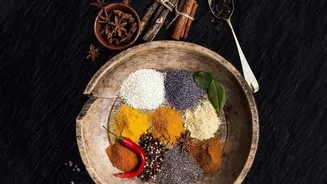
Often used as a simple seasoning, black pepper holds significant health benefits, especially during the rainy season. It contains piperine, a compound that not only gives it a pungent flavour but also helps stimulate digestion and improve nutrient absorption. This is particularly useful when the digestive fire (agni) is considered weaker. Black pepper also possesses anti-inflammatory and antioxidant properties that help boost immunity. It works to clear congestion and can provide relief from sinus pressure. Adding freshly crushed black pepper to soups, rasam, or even your tea is a simple way to keep your system warm and balanced.
The Vitamin C Powerhouse: Amla (Indian Gooseberry)
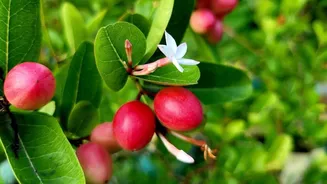
Amla is one of the richest natural sources of Vitamin C, a crucial nutrient for a robust immune system. In fact, it contains more of this vital vitamin than an orange. Consuming amla during the monsoon can significantly help in the production of white blood cells, which are the body's primary line of defence against infections. Its potent antioxidant properties also help protect the body from damage caused by free radicals. You can consume it as a juice, in murabba (sweet preserve), or simply as a dried candy to reap its benefits and keep seasonal ailments away.