




Don't Ignore Local Weather and Safety Advisories
One of the biggest mistakes is treating heavy rain as a minor inconvenience rather than a serious planning factor. Before you even book, check the weather forecast for your chosen destination. Hill stations in regions like Uttarakhand, Himachal Pradesh,
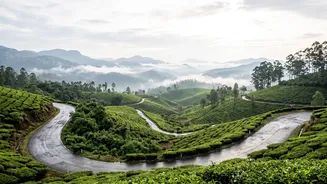
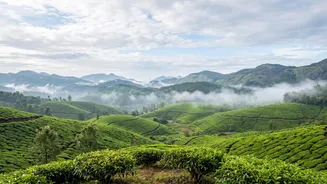
and parts of Kerala like Munnar and Wayanad, while beautiful, are often prone to landslides and flash floods during heavy rains. Authorities frequently issue travel advisories or temporarily close roads and popular sites for safety. Ignoring these alerts can lead to you being stranded. Always have a flexible itinerary with buffer days to account for weather-related delays or cancellations.
Don't Choose a Destination Without Thinking It Through
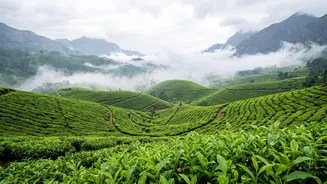
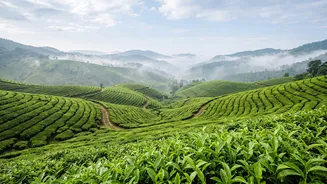
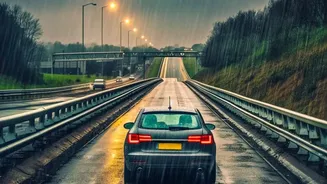
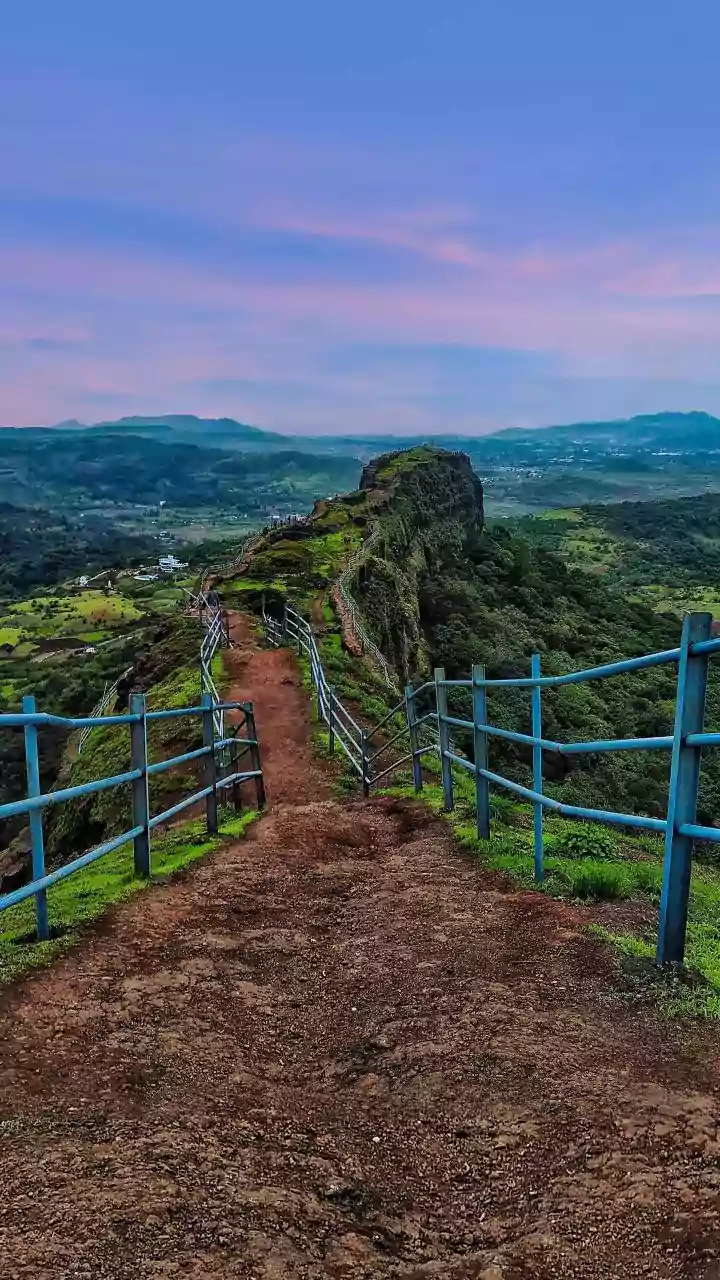
Not all destinations are created equal in the monsoon. While the idea of a misty mountain drive is romantic, routes to places like Spiti Valley or higher reaches of the Himalayas can become treacherous. Similarly, some coastal areas may have dangerously rough seas. Instead of high-risk zones, consider places that flourish in the rains without the associated dangers, such as the less-crowded spice plantations of Goa, the lake city of Udaipur, or destinations in the Western Ghats like Lonavala, which are well-prepared for tourist traffic. An informed choice of destination is the first step to a successful trip.
Don't Pack the Wrong Clothes and Footwear
When it comes to a monsoon trip, cotton and denim are not your friends. These fabrics absorb moisture and take a very long time to dry, leaving you feeling damp and uncomfortable. Instead, pack lightweight, synthetic, and quick-drying clothes. Your footwear choice is equally critical. Avoid flip-flops or any shoes with poor grip. Sturdy, waterproof sandals or boots with good traction are essential for navigating slippery paths and muddy terrain. Also, pack extra pairs of socks to keep your feet dry and prevent fungal infections.
Don't Forget About Health and Hygiene
The rainy season brings an increased risk of waterborne and mosquito-borne illnesses. A very common mistake is consuming street food and water from unreliable sources. The chances of contamination are high during this season. Stick to bottled or purified water and eat freshly prepared, hot meals from clean establishments. Always carry a basic first-aid kit with essentials for fever, colds, stomach issues, and any personal medications. An insect repellent is non-negotiable to protect yourself from mosquitoes that thrive in damp conditions.
Don't Neglect to Waterproof Your Essentials
An unexpected downpour can ruin your expensive electronics and important documents. Don't leave things to chance. Use waterproof bags, zip-lock pouches, or a dry bag to protect your phone, camera, power bank, wallet, and IDs. It's also wise to invest in a waterproof cover for your backpack. Keeping a few extra plastic bags is also a great idea for storing wet clothes separately from your dry ones. A little preparation can save your gadgets and prevent a lot of hassle.
Don't Be Rigid with Your Itinerary
Monsoons are unpredictable. A perfectly planned day can be washed out by a sudden, heavy shower. Packing your itinerary too tightly with back-to-back activities is a recipe for stress. Don't continue with a plan, like a trek or a boat trip, just because it was pre-booked if local conditions have become unsafe. The key is flexibility. Keep your plans fluid, have backup indoor activities in mind, and be ready to simply relax and enjoy the rain from the comfort of your hotel. Sometimes, the best part of a monsoon trip is the unplanned, cosy moments.