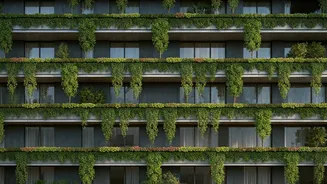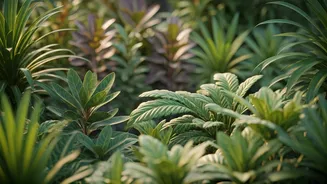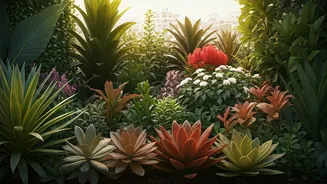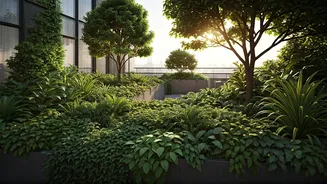






More Than Just a Garden
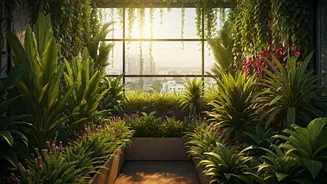
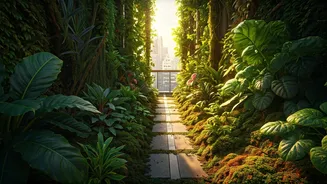
Forget neat rows of marigolds. A terrace forest is a whole different approach to urban gardening. Inspired by the work of Japanese botanist Dr. Akira Miyawaki, this method focuses on creating a dense, multi-layered, and self-sustaining ecosystem in a small
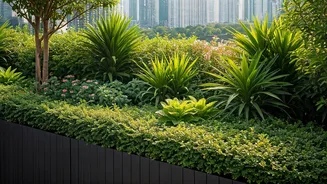
space. The goal isn't just to have plants, but to replicate the structure and ecological functions of a natural forest. This means planting a diverse mix of native species very close together—typically three to five saplings per square metre. This density encourages the plants to compete for sunlight by shooting upwards, leading to accelerated growth. The result is not a manicured garden, but a wild, resilient, and biodiverse pocket of nature that can become largely self-sufficient in just a few years.
The Urban Jungle Advantage
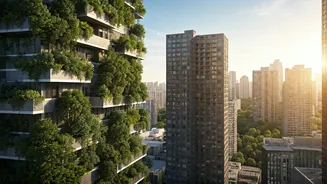
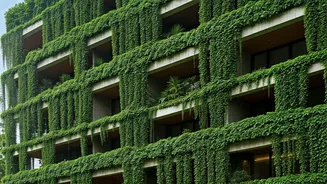
The benefits of nurturing a mini-forest extend far beyond aesthetics. On a hot day, the dense foliage provides significant cooling, which can lower the temperature on your terrace and even inside your home. These green spaces act as powerful, living air filters, capturing dust and pollutants. They also become biodiversity hotspots. Enthusiasts report the return of birds, bees, butterflies, and other wildlife to urban neighbourhoods after a microforest is established. Beyond the environmental perks, there are profound benefits for our well-being. Studies have shown that interaction with green spaces can reduce stress, anxiety, and depression, promoting mental and physical health. Your terrace forest becomes a personal sanctuary, a place to disconnect from urban chaos and reconnect with nature.
The Miyawaki Method, Miniaturised
The success of a terrace forest hinges on applying the core principles of the Miyawaki method to containers. It starts with the soil. You need a rich, loose, and well-draining medium that mimics a natural forest floor, amended with plenty of organic compost. Next is plant selection, which is crucial. The focus is on native species—plants that have evolved to thrive in your local climate. This is key to creating a resilient ecosystem that requires less water and maintenance. The final piece is layered, dense planting. Instead of just one type of plant, you combine species from all four forest layers: a canopy layer (taller trees), a sub-canopy (smaller trees), a shrub layer, and a ground cover layer. This diversity creates a stable community where plants support each other.
Your First Steps to a Forest
Ready to start? First, ensure your terrace can handle the weight. It's wise to consult a structural engineer, especially if you plan to use many large containers. Then, start small. You can begin with a few large tubs, barrels, or raised beds. Fill them with a mix of soil, compost, and other organic matter like coco-peat. Research native plants suitable for your region. For a tropical climate like Mumbai's, you might consider Curry Leaf, Frangipani (Champa), or Ixora alongside shrubs and ground cover. In drier regions like Delhi, resilient species like Rohida or Khejri could be options. Arrange your saplings densely, ensuring no two trees of the same species are right next to each other. Grouping plants together helps them thrive. Finish with a thick layer of mulch (like wood chips or dried leaves) to retain moisture and suppress weeds.