



The Transformative Power of the Cut
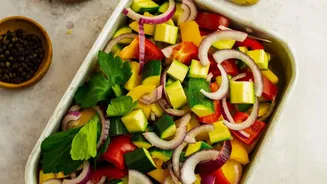
The first step to unlocking a vegetable's potential happens on the cutting board. How you slice a vegetable directly impacts its final texture and even its flavor. A large, chunky dice of sweet potato will roast up to be soft and fluffy on the inside,
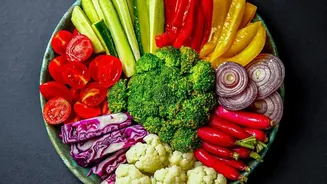
while the same vegetable cut into thin planks will become crispier due to more surface area being exposed to heat. Think about the experience you want. A finely shaved or julienned carrot will be delicate and integrate seamlessly into a raw salad, offering a subtle crunch. The same carrot, cut into thick rounds or obliques for a stew, will hold its shape and provide a tender, sweet bite. Don't underestimate the power of your knife. Try shaving Brussels sprouts for a slaw, dicing zucchini for a quick sauté, or cutting cauliflower into thick "steaks" for roasting or grilling. Each cut offers a new way to experience a familiar vegetable.
Seasoning Beyond Salt and Pepper
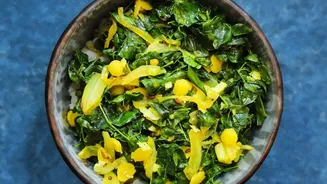
Once your vegetables are cut, it's time to build flavor. While salt and pepper are essential, a world of spices and herbs can turn a simple side dish into the star of the meal. Think in terms of flavor profiles. Warming spices like cinnamon, nutmeg, and ginger beautifully complement the natural sweetness of root vegetables such as carrots and sweet potatoes. Earthy spices like cumin and coriander are fantastic on legumes and cruciferous vegetables like cauliflower. For a bit of pungent complexity, garlic and ginger are nearly universal enhancers. Don't be afraid to experiment with blends. Curry powder on cauliflower is a classic for a reason, while Herbes de Provence can elevate simple roasted radishes. Fresh herbs, added towards the end of cooking, provide a burst of brightness. A little bit of thyme can spice up peas, while garlic and parsley are a perfect match for Brussels sprouts.
Mastering a World of Texture
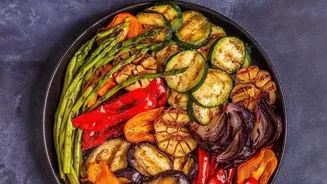
Texture is arguably what separates a good vegetable dish from a great one. The same vegetable can be creamy, crispy, tender, or smoky depending entirely on the cooking method. Roasting and grilling at high heat are excellent for caramelization, which adds complexity and depth. This method works wonders on everything from broccoli to mushrooms, creating crisp edges and a concentrated flavor. For a more tender-crisp result, perfect for retaining a vegetable's vibrant color and snap, try blanching or pan-steaming. This is ideal for green beans, asparagus, and peas. Sautéing in a hot pan gives a quick char and cooks vegetables rapidly, while braising them in a flavorful liquid like stock or wine makes them melt-in-your-mouth tender. You can even combine methods: par-boil potatoes before roasting them to ensure a fluffy interior and an extra-crispy exterior.
Putting It All Together: Finishing Touches
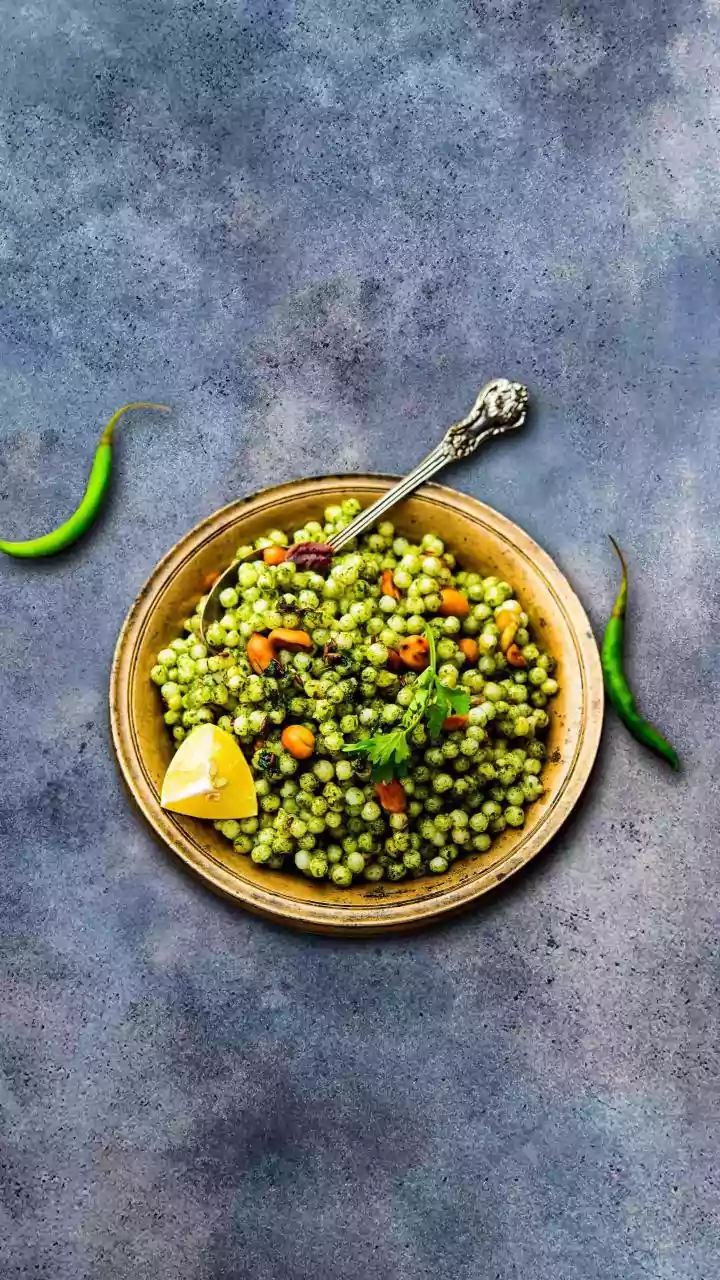
The final layer of a truly dynamic vegetable dish comes from the finishing touches you add just before serving. These elements can introduce a final, contrasting texture or a hit of flavor that ties everything together. A sprinkle of toasted nuts or seeds adds a welcome crunch and richness. A crumble of a pungent cheese, like feta or parmesan, can provide a salty, creamy counterpoint. One of the most effective tools is acid. A simple squeeze of lemon juice or a drizzle of good quality vinegar can cut through richness and brighten up all the other flavors in the dish. Sauces and dressings are also key; a simple vinaigrette, a creamy tahini sauce, or a spicy peanut sauce can completely transform a bowl of roasted or steamed vegetables into a satisfying meal.