



The Great Escape, The Great Gridlock
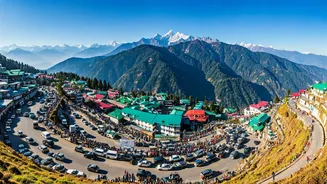
As heatwaves intensify across the northern plains, thousands seek refuge in the cooler climes of Himachal Pradesh and Uttarakhand. This predictable summer migration has once again turned idyllic mountain towns into chaotic bottlenecks. Over recent weekends,
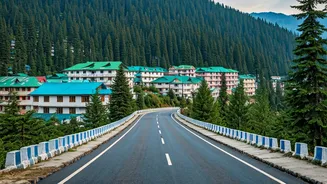
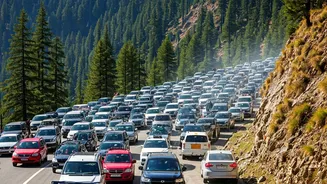
popular destinations like Manali, Shimla, Mussoorie, and Nainital have been overwhelmed. [7, 15] Reports describe traffic jams stretching for kilometres, with vehicles moving at a snail's pace. [8] In Mussoorie, a 5-kilometre-long jam was reported on the Kempty Road, while routes to Nainital were similarly choked. [6] The situation is so severe that authorities in some areas have been forced to restrict the entry of vehicles to manage the flow. [25] Hotels and homestays are operating at near-full capacity, a clear indicator of the sheer volume of visitors. [8, 9] For many, the dream of a peaceful getaway dissolves into a frustrating ordeal spent stuck in traffic. [17]
More Than Just Traffic: The Unseen Consequences
The long lines of cars are just the most visible symptom of a deeper problem: overtourism. The fragile Himalayan ecosystem is buckling under the pressure. One of the most critical issues is waste management. [12] Tourism in the Indian Himalayan Region generates an estimated eight million tonnes of waste annually, a figure that local municipalities are ill-equipped to handle. [12, 22] With limited space for landfills, waste is often dumped on slopes, polluting soil and contaminating water sources. [11, 22] This leads to toxic leachate seeping into the groundwater and rivers that are the lifeline for millions downstream. [12] Water scarcity is another growing crisis. A single tourist can consume up to 200 litres of water per day, compared to just 30-40 litres for a local resident, putting immense strain on natural springs, many of which are already drying up. [14, 18] Unregulated construction of hotels and guesthouses further exacerbates the problem, often disrupting natural water channels. [6, 23]
The Local Dilemma: An Economy Built on a Breaking Point
For residents of these hill stations, the tourist rush is a double-edged sword. Tourism is the backbone of the local economy, providing livelihoods for a significant portion of the population. [13] Hotel occupancy in Himachal Pradesh, for instance, has seen a strong surge, reflecting a robust season for business owners. [9, 31] However, the residents are also the ones who bear the direct consequences of overtourism year-round. Daily life is disrupted, with locals finding themselves imprisoned in their own homes, unable to navigate roads clogged by tourist vehicles. [17] The strain on public services like water, electricity, and emergency response is immense. In some reported cases, ambulances have been stuck in traffic jams with fatal consequences. [19] This creates a palpable tension between the economic necessity of tourism and the erosion of the quality of life and the environment.
Is There a Way Out of This Jam?
The recurring chaos has made it clear that simply managing traffic is not enough; a fundamental shift towards sustainable tourism is required. [13] Experts and environmental groups have been sounding the alarm, pointing to the need for long-term solutions. [22] These include implementing caps on the number of tourists and vehicles allowed into sensitive areas, a measure already in place for routes like Rohtang Pass, though demand far outstrips supply. [10] Another proposed solution is developing and promoting offbeat destinations to distribute the tourist load more evenly. [21] Improving public transportation, such as introducing more reliable and comfortable bus services, could discourage the use of private cars. [6] Ultimately, the responsibility is shared. Authorities need to enforce stricter regulations on construction and waste management, while travellers must become more conscious of their environmental footprint. [16] Without a concerted effort, India's beloved hill stations risk being loved to death.