







The New Digital Word-of-Mouth
Forget clunky guidebooks and generic travel portals. The modern treasure map is digital, collaborative, and lives on your phone. Savvy Indian travellers are increasingly turning to crowdsourced online maps—often user-generated lists on platforms like
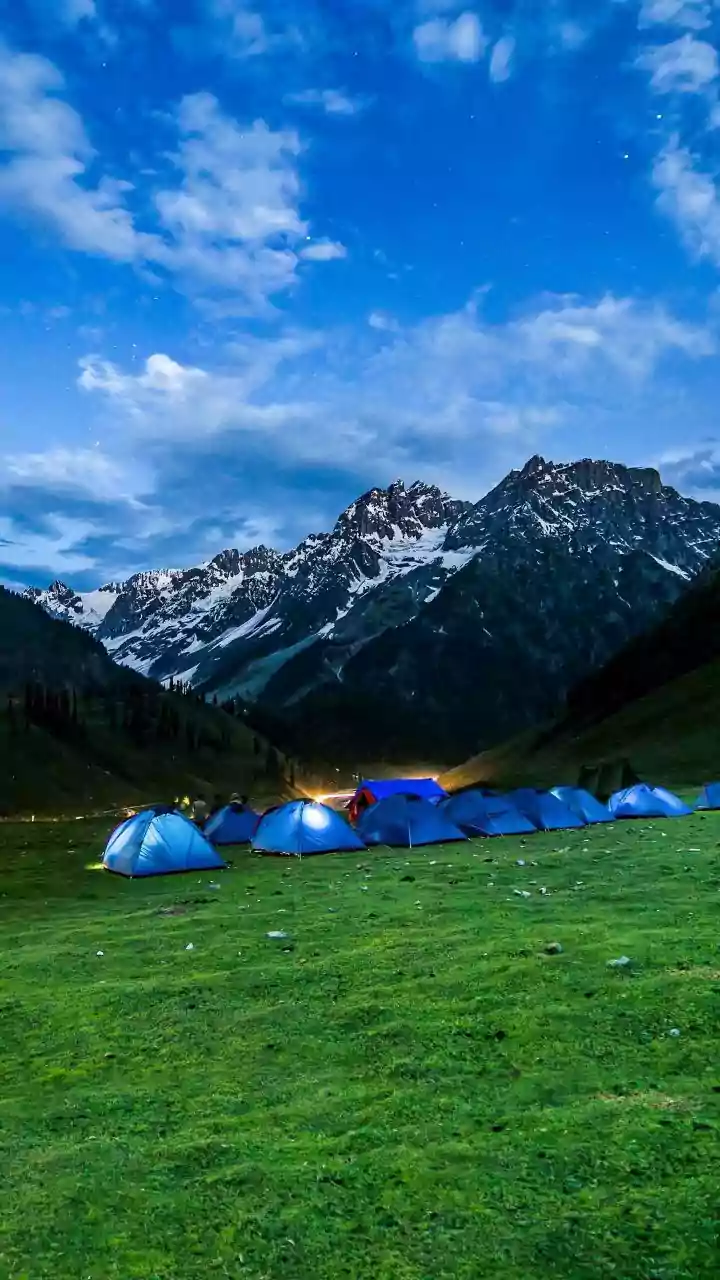
Google Maps—to discover destinations that fly under the radar of commercial tourism. These aren't official, branded maps. They are labours of love, created and shared by fellow travellers who have found a place so special they want to document it. This digital word-of-mouth is revolutionising how we find authentic experiences. Instead of relying on sponsored listings, you're tapping into a community's collective knowledge, revealing a hidden layer of India's hospitality that includes charming, family-run riverside homestays in places like the backwaters of Kerala, the valleys of Himachal, or the serene corners of Uttarakhand.
How These 'Secret' Maps Work
The technology behind this trend is surprisingly simple and accessible. The most common platform is Google Maps itself, through a feature called 'Lists'. Users can create their own themed lists of locations—for example, 'Best Homestays in Tirthan Valley' or 'Quiet Cafes in Goa'—and share them publicly. When one person shares a great list, others add to it, comment, and refine it. Think of it as a living, breathing travel guide. These lists often contain pins for small, independent homestays that aren't listed on major booking websites. They might include handwritten notes, photos, and even the direct phone number of the owner. Beyond Google Maps, this information thrives in dedicated travel communities on platforms like Reddit, Facebook Groups, and specialised travel blogs that curate and embed these maps. The 'secret' isn't the technology, but the community-driven effort to bypass the noise of mainstream travel.
A Guide to Finding Your Getaway
So, how do you tap into this digital treasure trove? Start with a specific search on Google. Instead of just 'homestays in Manali', try searching for 'Google Maps list of homestays Manali' or 'community map Tirthan Valley'. This often brings up blogs or forum posts where people have shared their custom maps. On Google Maps itself, search for your desired location and then browse the 'Saved' tab's 'Lists' section, where you might find popular public lists for that area. Another powerful method is to join location-specific travel groups on Facebook. Members frequently share direct contact details and drop pins for their favourite discoveries. When you find a potential stay, search for its name directly on Google Maps and Instagram to find more unfiltered reviews, photos, and a direct line of contact. This multi-step process requires a bit more effort than a one-click booking, but the reward is a unique and personal travel experience.
Unlocking the 'Huge Discounts'
The promise of 'huge discounts' isn't a gimmick; it's a natural result of this method. Large booking platforms can charge commissions of 15-30% to property owners. When you find a homestay through a crowdsourced map and contact the owner directly, you are effectively cutting out this middleman. Many small homestay owners are happy to pass these savings on to you in the form of a lower nightly rate. Booking direct not only saves you money but also ensures that the entirety of your payment goes to the local family or individual running the property, supporting the local economy more directly. Furthermore, speaking with the owner beforehand can open the door to other perks, like a complimentary meal, a room with a better view, or invaluable local advice that you'd never get from a centralised booking system. It's a win-win: you get a better price, and they get a direct, more personal connection with their guest.
Travel Smart: Tips and Precautions
While this method unlocks incredible opportunities, it's wise to proceed with caution. Since you're operating outside the safety net of major booking platforms, due diligence is key. Always verify the property. Once you have the name and number, search for it independently. Look for recent reviews, photos, and a consistent online presence, even if it's just a simple Facebook page. Always call the owner to confirm details, pricing, and amenities. Ask them to send you recent photos of the room and the property via WhatsApp. Be wary of listings with no reviews or online footprint. When it comes to payment, avoid large advance transfers unless you are confident in the property's legitimacy. Many small owners are happy to confirm a booking with a small token advance. Trust your instincts—if something feels off, it's better to find another option. The goal is an authentic adventure, not an unnecessary risk.