


A Legacy in Terracotta
Bishnupur was the capital of the Malla dynasty, whose rulers were great patrons of art and architecture from the 17th to the 18th century. It was during this period that they commissioned the construction of numerous temples dedicated primarily to Lord
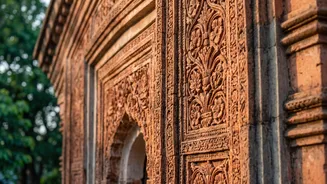
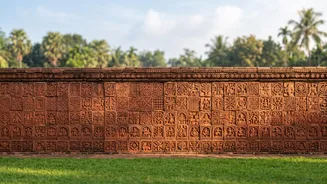
Krishna. Lacking stone in the region, local artisans turned to the rich alluvial clay, baking it to create intricate terracotta panels. These panels, which adorn the temples, narrate vivid stories from Hindu epics like the Ramayana and Mahabharata, as well as scenes from daily life, creating a unique architectural style that has been recognised on UNESCO's tentative list of World Heritage Sites.
Planning Your Weekend Journey
Reaching Bishnupur from Kolkata is a straightforward affair, making it ideal for a weekend getaway. The most convenient option for many is the train; several express trains depart from Howrah and Santragachi stations daily, taking approximately 3 to 4 hours to reach Bishnupur. For those who prefer to drive, the journey covers a distance of about 140 kilometres and can take around 4-5 hours, depending on traffic. The best time to visit is during the cooler winter months, from October to March, when the pleasant weather is perfect for sightseeing. The annual Bishnupur Mela in late December is also a vibrant time to experience local culture.
The Must-See Temple Trail
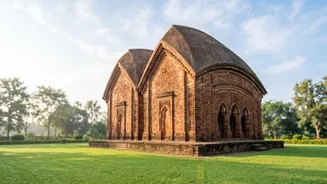
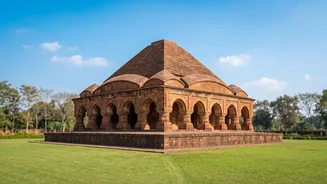
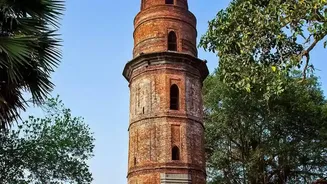
Your exploration should begin at the Rasmancha, the oldest brick structure in Bishnupur, built in 1600. Its unique elongated pyramidal roof is unlike any other temple in Bengal. From there, a short toto or cycle-rickshaw ride can take you through the temple circuit. Key highlights include the Jorbangla Temple, designed to look like two thatched huts joined together, with detailed carvings depicting epic battles and moments from Krishna's life. The Shyam Rai Temple is a magnificent 'Pancha Ratna' (five-pinnacled) temple celebrated for its elaborate terracotta ornamentation on all its walls. Another unmissable site is the Madan Mohan Temple, an active place of worship known for its classic Bengali 'Eka-Ratna' (single-pinnacled) style and exquisite depictions of the Puranas.
Where to Stay and What to Eat
Bishnupur offers a range of accommodation options to suit every budget. You can find everything from basic guesthouses and lodges near the main bus stand to more comfortable mid-range hotels with modern amenities. Options like Hotel Annapurna are popular with families, while others may prefer the forest resort experience just outside the main town. For a taste of local cuisine, don't miss out on Bengali staples. Numerous small eateries serve delicious meals, and you must try the local sweets like Mecha Sandesh and Posto-r Bora (poppy seed fritters).
Beyond the Temples: Crafts and Culture
Bishnupur's artistic legacy extends beyond its temples. The town is the original home of the famous Baluchari sarees, known for weaving mythological scenes onto their silk fabric, much like the temple walls. You can visit weaver workshops to see this intricate process firsthand. Another local craft is the carving of Dashavatar Taash, a traditional set of playing cards. Be sure to also visit the Acharya Jogesh Chandra Purakirti Bhawan, a museum that houses sculptures and artifacts from the region, providing deeper context to the history of the Malla kings. Near the temples, you'll also find the Dalmadal Cannon, a large wrought-iron cannon said to have been used to fend off Maratha invaders.