




The idea of travelling alone is a thrilling mix of freedom and fear. But the key to a transformative first solo holiday isn't bravery—it's preparation. With smart planning, you can minimise frustration and unlock the incredible rewards of exploring the world
on your own terms.
Choose Your Destination Wisely
Your destination sets the entire tone for your trip. For a first-time solo adventure, opt for a place known for its safety and robust tourism infrastructure. Countries like Portugal, Spain, Japan, and Thailand are frequently recommended for their welcoming locals and ease of navigation. Consider your interests: are you looking for vibrant cities, relaxing beaches, or cultural immersion? Picking a location that aligns with your passions and has a reputation for being solo-friendly will build your confidence. Arriving during the day rather than late at night is also a simple way to ease into a new environment and find your accommodation without added stress.
Budget for Independence
When you travel alone, you're responsible for every expense, which makes budgeting crucial. Start by outlining your major fixed costs: flights, accommodation, and travel insurance. Then, research the average daily expenses for your destination, including food, local transport, and activities. A common mistake is failing to account for the 'single supplement', where hotels or tours cost one person nearly the same as two. To avoid this, consider hostels with private rooms or highly-rated guesthouses. Always include a contingency fund of 10-20% of your total budget for unexpected costs or spontaneous opportunities. Using a budgeting app can help you track spending on the road.
Craft a Flexible Itinerary
The greatest advantage of solo travel is freedom, so don't plan away your spontaneity. Over-scheduling is a classic first-timer mistake that leads to stress. Instead, create a loose structure. Identify your 'must-do' attractions and group them geographically to save travel time. Book essential tickets or tours in advance, but leave large parts of your day open for wandering, relaxing in a café, or pursuing an unexpected recommendation. A good rule of thumb is to plan for one or two key activities per day and let the rest unfold naturally. This balance ensures you see the highlights without feeling rushed, allowing for the magic of discovery that makes solo travel so special.
Prioritise Safety and Preparation
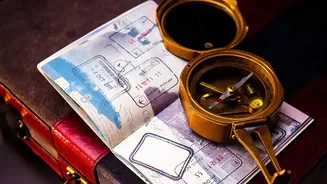
Being prepared is the foundation of a safe and successful trip. Before you leave, purchase comprehensive travel insurance—this is non-negotiable. Share your complete itinerary, including flight details and accommodation addresses, with a trusted friend or family member at home. Make digital and physical copies of your passport, visas, and other important documents. When you arrive, be mindful of your surroundings, especially at night, and trust your gut instinct if a situation feels off. Keep valuables in a secure place like a hotel safe or locker, and carry a portable charger to ensure your phone is always powered for navigation and communication.
Pack Light and Smart
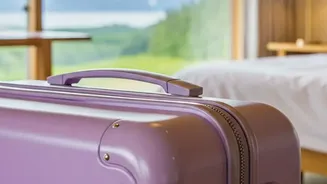
When you're the only one carrying your luggage, less is always more. Packing light is a skill that dramatically improves your travel experience. Choose versatile clothing items you can layer and mix and match. Opt for a travel backpack or a small, manageable suitcase. Remember, you can often do laundry on the road. Prioritise essentials: any personal medications, a basic firstst aid kit, comfortable walking shoes, and adapters for your electronics. Packing cubes can help you stay organised and find items without unpacking your entire bag. Leaving a little extra space also ensures you have room to bring home souvenirs without hassle.
Embrace the 'Solo' Experience
Finally, prepare yourself mentally. It's normal to feel lonely at times, but it's also an opportunity to connect with yourself and others in a new way. Don't be selfconscious about dining alone; it's a common and accepted practice worldwide. To meet other people, consider staying in a social hostel, joining a free walking tour, or taking a local cooking class. Learning a few basic phrases in the local language can also open doors and create friendly interactions. Ultimately, the goal is to do what you want, when you want. Give yourself permission to rest when you're tired and to change your plans on a whim. That is the true freedom you've been seeking.