








The New Third Pillar of Fitness
Think about any fitness journey. The conversation almost always revolves around two things: what you’re eating and how you’re training. We meticulously track calories, debate the merits of cardio versus weights, and search for the perfect workout plan.
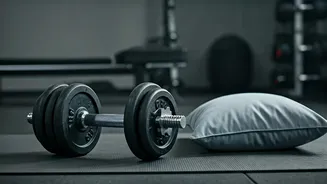
For years, sleep was treated as a passive activity—something you did *after* the real work was done. But a major shift is happening in the world of health and wellness. Sleep is no longer seen as just downtime; it’s being re-framed as an active and essential part of any fitness strategy. From elite cricketers to marathon runners, the smartest people in fitness are now treating their bedtime with the same seriousness as their gym time. They understand that without quality sleep, the benefits of even the best diet and exercise plan are severely compromised.
The Science of Overnight Repair
Why is sleep so powerful? It’s all about recovery at a cellular level. When you exercise, especially with resistance training, you create microscopic tears in your muscle fibres. The process of repairing these tears is what makes your muscles stronger and larger. This repair work, known as muscle protein synthesis, doesn't happen while you're lifting weights. It peaks during deep sleep. During these crucial hours, your body releases a significant amount of Human Growth Hormone (HGH), a key player in repairing tissues, building muscle, and metabolising fat. Skimping on sleep short-circuits this entire process. A sleep-deprived body is a body in a state of inefficient repair. You can put in all the effort at the gym, but without sufficient rest, you’re denying your muscles the primary window they need to rebuild and grow.
Hormones, Hunger, and Your Goals
Sleep’s influence extends deep into your hormonal system, which directly impacts your fitness results, particularly fat loss and muscle retention. Lack of sleep throws two critical appetite-regulating hormones out of balance. Ghrelin, the ‘hunger hormone,’ spikes, making you feel hungrier and crave high-calorie, low-nutrient foods. Simultaneously, leptin, the ‘satiety hormone,’ plummets, so you don’t feel full even after eating. This is a disastrous combination for anyone trying to manage their weight. Furthermore, sleep deprivation increases cortisol, the body’s primary stress hormone. Chronically high cortisol levels can lead to increased fat storage (especially around the abdomen) and can even break down muscle tissue—the exact opposite of what most people want from their fitness regimen. In short, poor sleep creates a hormonal environment that actively works against your goals.
Sharpening Your Mental Edge
Physical performance is inextricably linked to mental performance. A tired mind cannot command a powerful body. Sleep is essential for cognitive functions that are critical for effective workouts. This includes focus, which you need to maintain proper form and prevent injury; motivation, which gets you to the gym in the first place; and motor skill learning, which is how your brain and body perfect new movements, whether it’s a new yoga pose or a heavier deadlift. Studies have shown that even one night of poor sleep can impair reaction time, decision-making, and overall athletic output. By prioritising sleep, you aren’t just recovering physically; you’re ensuring your brain is sharp, focused, and ready to push your body to its limits the next day.
How to Weaponize Your Own Sleep
Treating sleep as a fitness tool doesn't require expensive gadgets, though many exist. It starts with consistency and building better habits. Aim for 7-9 hours per night, and try to go to bed and wake up around the same time every day, even on weekends, to regulate your body’s internal clock. Create a wind-down routine an hour before bed. This means switching off screens, as the blue light can interfere with melatonin production, the hormone that signals your body it's time to sleep. Instead, try reading a book, light stretching, or listening to calming music. Ensure your bedroom is a sanctuary for sleep: dark, quiet, and cool. Small changes to your sleep hygiene can unlock significant gains in your fitness, turning rest from a passive obligation into your most effective secret weapon.