
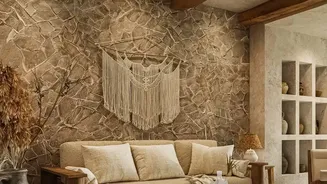

Beyond the Catalogue
For years, the ideal home was often one that looked like it was lifted from a catalogue—sleek, uniform, and impersonal. But a growing number of Indian homeowners are now consciously moving away from this aesthetic. They are seeking decor that tells a story,
pieces that have a past, and spaces that feel like a true extension of their identities. This shift represents a deeper appreciation for authenticity in an age of mass-produced uniformity. Instead of identical factory items, many now seek out decor crafted with care using traditional techniques passed down through generations, making their homes feel unique and thoughtfully assembled.
The Soul of a Handmade Home
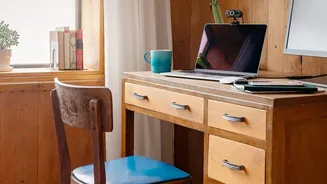
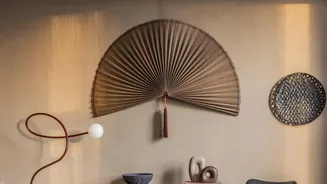
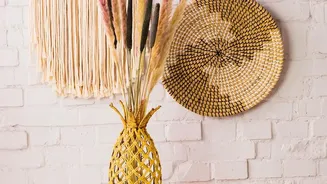
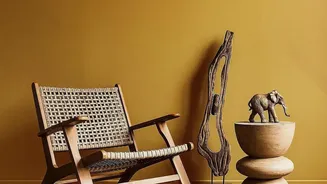
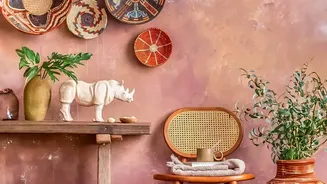
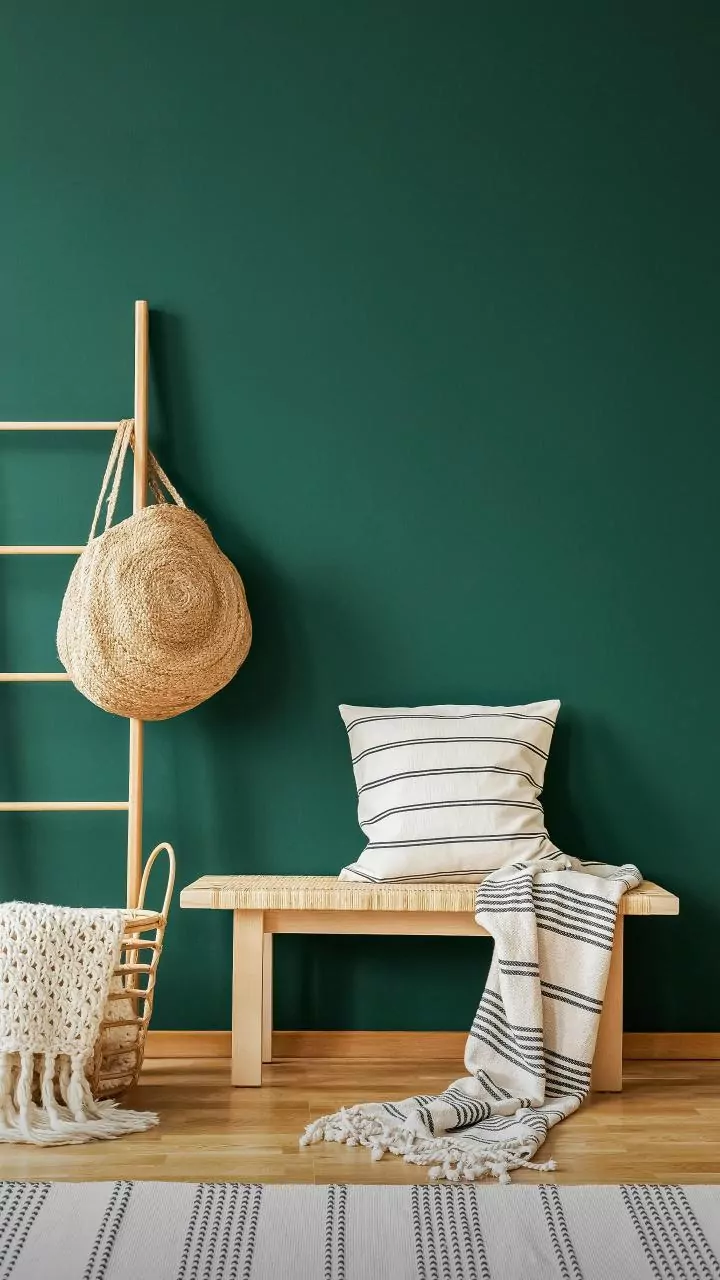
So, what defines a handmade home? It's less about a single style and more about an approach. It’s about celebrating imperfection and texture. Think hand-carved wooden furniture from Jodhpur, known for its durability and cultural depth, standing alongside contemporary pieces. It’s about the earthy coolness of terracotta planters, the soft glow of a hand-thrown ceramic lamp, and the intricate weave of a hand-loomed rug. Materials like bamboo, jute, reclaimed wood, and natural fibres are central to this trend, chosen not just for their beauty but for their sustainable credentials. These elements bring a rustic, earthy vibe that makes a space feel grounded and warm.
A Story in Every Corner
The core appeal of the handmade trend is personality. Each handcrafted object, with its minor imperfections and unique character, carries the story of its creation and the artisan who made it. Unlike machine-made decor, these pieces age beautifully, gathering patina and personality over time. Whether it's a Dhokra brass figurine from Bastar, a piece of Madhubani folk art on a wall, or a hand-embroidered cushion cover, these items infuse a space with cultural richness and a narrative that can’t be bought off a factory line. The result is a home that feels curated, not just decorated—a collection of stories and memories.
Championing Artisans and Sustainability
This trend is about more than just aesthetics; it's a conscious choice with ethical and environmental dimensions. By choosing handmade, consumers are directly supporting local artisans and helping to preserve India’s rich and diverse craft heritage, from Jaipur's blue pottery to the woodwork of Saharanpur. In a world of fast fashion and throwaway culture, this movement represents a shift towards 'slow decor'—investing in quality, durable items that are meant to last. Furthermore, the emphasis on natural and recycled materials aligns with a growing desire for sustainable living, reducing the carbon footprint of our homes.
Making it Your Own
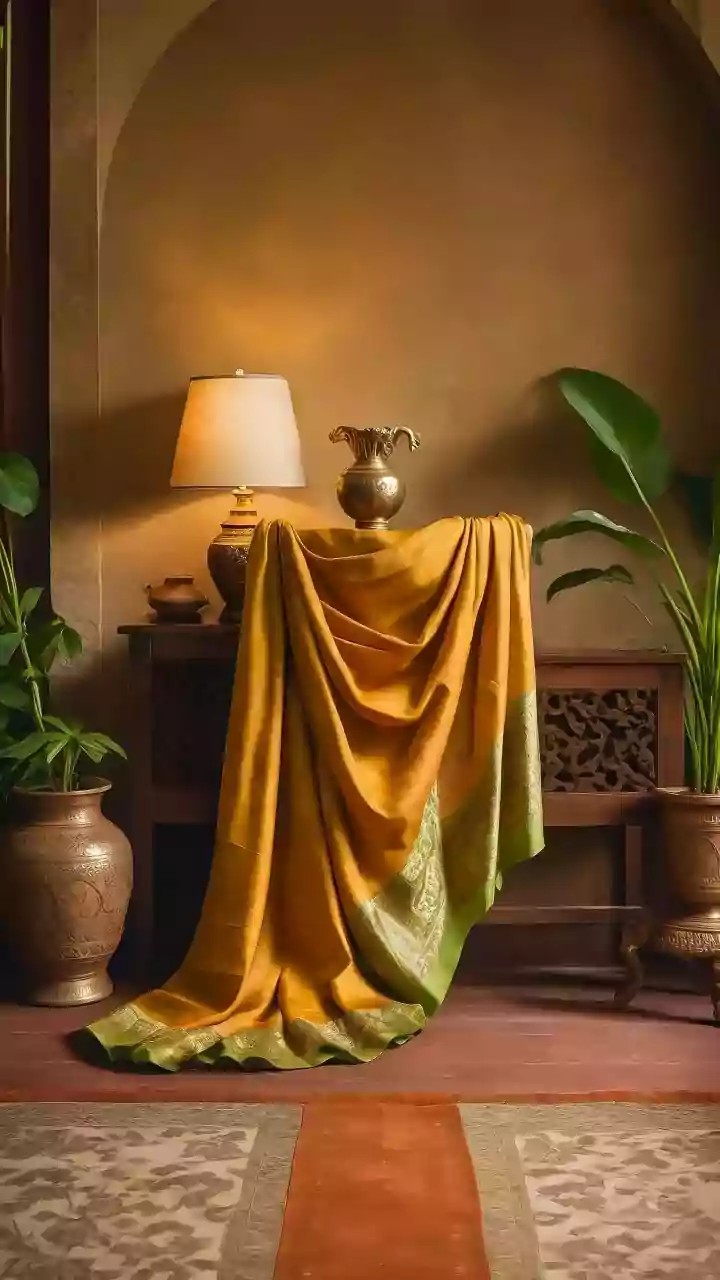
Incorporating the handmade trend doesn't require a complete overhaul. It can start small. A single, beautifully crafted statement piece—like a carved wooden chest, a handwoven textile used as a wall hanging, or a set of artisanal ceramic mugs—can instantly add warmth and character to a room. The key is to mix these traditional elements with modern sensibilities to create a space that feels both current and timeless. Online platforms and curated marketplaces are making it easier than ever to connect with artisans and discover unique pieces that resonate on a personal level.