



The Science of Spoilage
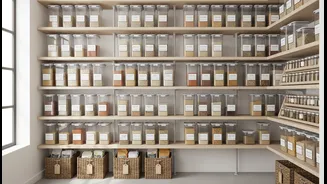
Airtight containers are designed to stop one of the main culprits of food decay: oxygen. By limiting air, you slow down oxidation, which preserves flavour, colour, and nutrients. However, a sealed container creates a micro-environment. If even a small
amount of moisture is trapped inside with the food, you're not creating a preservation chamber; you're creating a perfect breeding ground for spoilage organisms. Microbes like mold, yeast, and bacteria thrive in humid conditions. An airtight seal that locks in moisture gives these microorganisms the ideal, undisturbed environment to multiply, rapidly breaking down your food and leading to spoilage.
What Trapped Moisture Does to Food
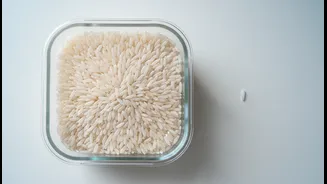
The consequences of trapped moisture range from disappointing to dangerous. For dry goods like crackers, chips, and cereals, moisture absorption is the primary culprit behind losing their satisfying crunch and turning soft or stale. Starches in these foods naturally pull in water vapour, which ruins their texture. For powders like flour or sugar, humidity leads to clumping, making them difficult to use. But the biggest concern is microbial growth. A little condensation from warm leftovers or a few drops of water in the container can be enough to kickstart mold and bacterial proliferation, which can compromise food safety. Some molds produce toxins that can spread invisibly through soft foods, making them unsafe to eat even if you scrape off the visible spots.
Mastering the Dry Container
The first step to successful storage is ensuring your container is bone-dry. This sounds simple, but moisture loves to hide. After washing, hand-drying with a towel is a good start, but it often leaves residual dampness. Air-drying is more effective, but can take time. For plastic and glass containers, make sure they are completely cool before sealing. Pay special attention to the lids, as water often gets trapped in the grooves and silicone seals. A good trick is to shake the lid vigorously after washing to dislodge hidden water. For a truly thorough drying, some people place washed and separated containers and lids on a cooling rack to allow for maximum air circulation on all surfaces.
Prepping Your Food for Storage
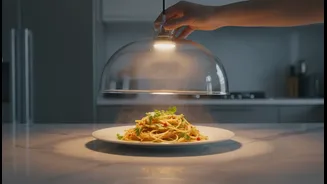
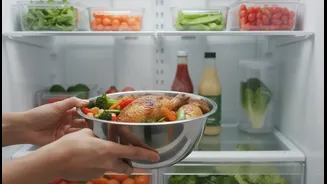
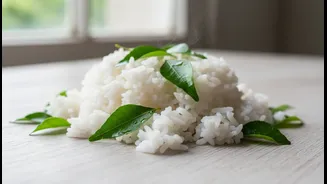
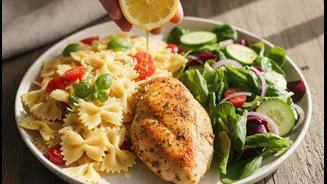
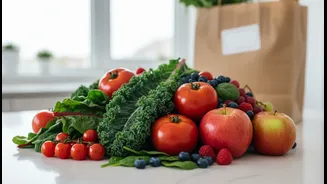
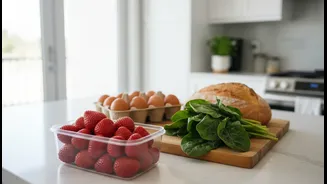
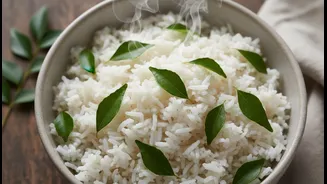
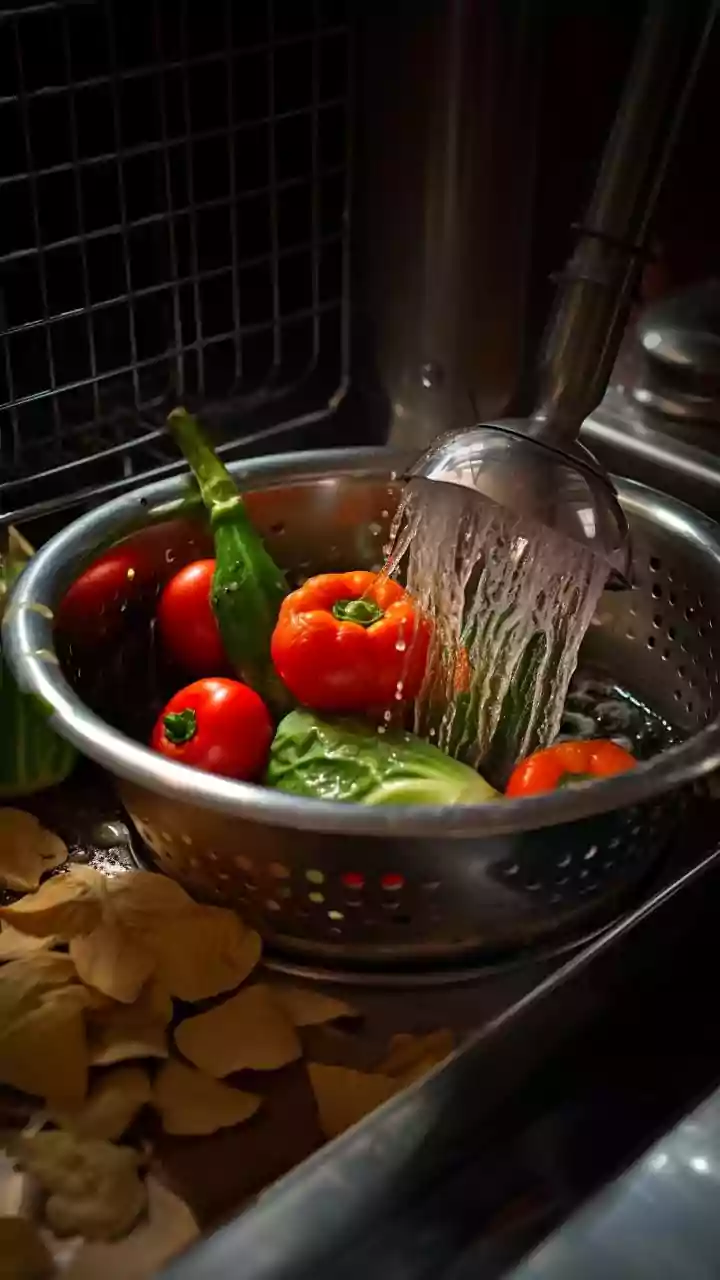
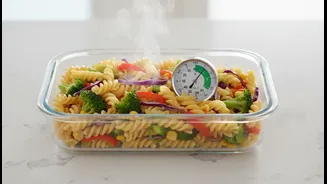
The food itself is the other major source of moisture. The most common mistake is storing food while it's still warm. Hot food releases steam, which gets trapped inside the container and condenses into water droplets as it cools. This water then pools on the food and the container walls, creating a soggy texture and a prime environment for bacteria. Always let cooked foods, especially soups, stews, and pastas, cool to at least room temperature before sealing and refrigerating. Similarly, when storing produce like washed salad greens or berries, make sure they are thoroughly dried. A salad spinner is excellent for greens, while berries can be gently patted dry with paper towels and left to air-dry for a few minutes on a clean cloth.
Common Mistakes and Pro Tips
Even with the best intentions, small errors can lead to spoilage. One common mistake is storing containers in areas with fluctuating temperatures, which can cause condensation to form inside the container. Storing containers away from ovens, dishwashers, and direct sunlight is a good practice. For particularly moisture-sensitive dry goods, you can add a food-safe desiccant packet to absorb any residual humidity. Another tip is to pack foods in amounts that can be used all at once. Every time you open a large container, you expose the contents to ambient air and moisture, which can lower the quality over time. Finally, trust your senses. If something looks, smells, or feels off, it's always safest to discard it.