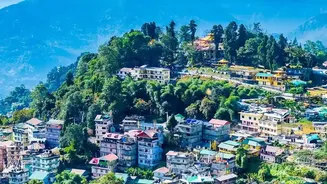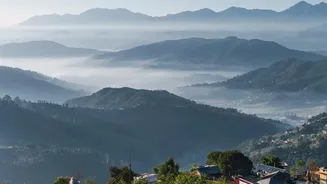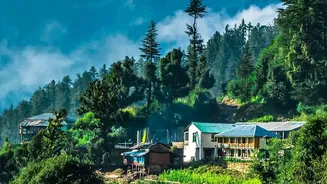

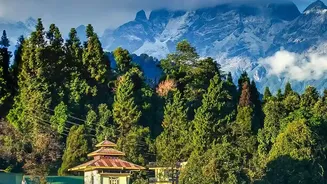
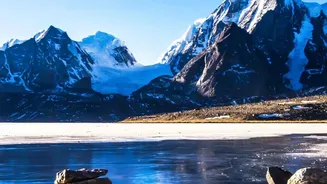
Beyond the bustling tourist circuits of Gangtok lies a quieter Sikkim. It's a land defined not by crowds, but by the whisper of water and wood—gushing mountain streams and the charming, prayer-flag-draped bridges that cross them.
Dzongu: The Lepcha Sanctuary
Tucked away in North Sikkim,
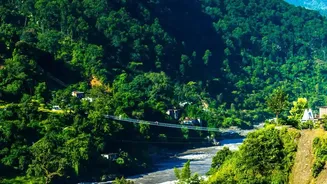
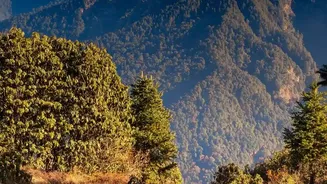
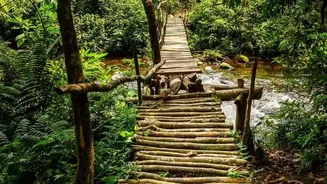
Dzongu is a protected reserve for the native Lepcha community, and visiting feels like stepping into another time. This valley, cradled by steep, forested hills, is a network of villages connected by trails and traditional bamboo or wooden suspension bridges crossing pristine rivers like the Teesta and its tributaries. Life here is slow, dictated by nature. You can spend days on guided walks through cardamom groves, listening to the rush of unseen waterfalls, and staying in homestays that offer a genuine connection to the land and its people. A permit is required to enter, which preserves its untouched character and ensures your visit is both peaceful and authentic.
Yuksom: The Ancient Trailhead
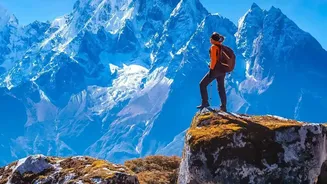
Known as the first capital of Sikkim and the gateway to the famous Goechala and Dzongri treks, Yuksom in West Sikkim retains an old-world charm. While trekkers flock here, the surrounding area is a treasure trove of serene spots. The trails around the village are dotted with small wooden bridges over glacial streams, some of which power traditional Buddhist prayer wheels with their flow. The Rathong Chu river carves its way through the landscape, and crossing its suspension bridges offers breathtaking views of the valley. It's a place where history and nature converge, perfect for those who want to walk quiet forest paths one day and embark on a high-altitude adventure the next.
The Old Silk Route: A Journey Above the Clouds
While the winding, hairpin bends of Zuluk are its main attraction, the journey along the Old Silk Route in East Sikkim is also a story of water. The route follows mountain streams, known locally as 'khola', for long stretches. Before you even reach the high-altitude deserts of Nathang Valley, you will encounter charming stops like Reshikhola, a riverside settlement, and waterfalls like the Kuekhola Falls. Wooden bridges, often covered in colourful Buddhist prayer flags, are common, providing a moment of peace amidst the rugged terrain. In places like Doban Valley, you must cross a wooden bridge to reach grasslands where two rivers meet. This historic trade route is not just about altitude; it's about the life-giving streams that make the journey possible.
Lachen and Lachung: The Twin Valleys
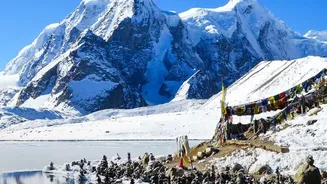
These two villages in North Sikkim are bases for exploring some of the state's most famous sights, like Gurudongmar Lake and Yumthang Valley. However, the journey to and around these villages is where the magic lies. The Lachen and Lachung rivers roar through the valleys, their turquoise waters a constant companion on the road. The landscape is crisscrossed by countless streams and waterfalls, with small wooden and suspension bridges providing vital connections. In Yumthang, often called the 'Valley of Flowers', a walk along the river reveals hot springs and meadows perfect for a quiet picnic, away from the main tourist trail. Even here, in a popular region, tranquil corners defined by water are never far away.
West Sikkim's Quiet Corners: Rinchenpong and Uttarey
For those seeking true solitude, the villages of West Sikkim offer an unparalleled experience. Rinchenpong is known for its incredible views of Kanchenjunga and its quiet forest trails that lead to historic monasteries and a legendary 'poison lake'. Further west, near the Nepal border, lies Uttarey, a serene village that acts as a base for trekking. The area is rich with pine forests, waterfalls, and streams, making it ideal for nature walks. The Dentam Suspension Bridge, located nearby, is a hidden gem offering stunning views over a deep gorge and mountain streams, away from the crowds of more famous bridges. These villages represent Sikkim at its most peaceful, where the loudest sound is often the flow of water.