





Bhutta (Corn on the Cob)
Arguably the most iconic snack of the Indian monsoon, bhutta is a simple yet profound pleasure. The sight of vendors fanning embers by the roadside, roasting corn to a perfect char, is a scene replayed across the country. Once roasted, the golden kernels
are rubbed with a mixture of salt, red chilli powder, and a generous squeeze of lime. This combination of smoky, spicy, and tangy flavours is the taste of the season. Beyond the classic roasted cob, corn finds its way into everything from crispy pakoras to comforting soups and sabzis. It's a versatile grain that captures the comforting spirit of a rainy day.
Kantola (Spiny Gourd)
Often called the spiny gourd or teasel gourd, kantola is a prized monsoon vegetable that looks like a small, green, spiky ball. Despite its relation to the bitter gourd, its taste is much milder and more approachable. Rich in vitamins and low in calories, it's considered a nutritious choice, particularly during a season when digestive health is a priority. Kantola is incredibly versatile in the kitchen. It can be sliced thin and fried to a crisp (a preparation known as 'kakrol bhaja' in Bengal), stuffed with masala, or simply stir-fried with onions and spices for a quick and healthy side dish. Its unique texture and flavour make it a must-try for anyone looking to explore beyond everyday vegetables.
Arbi ke Patte (Colocasia Leaves)
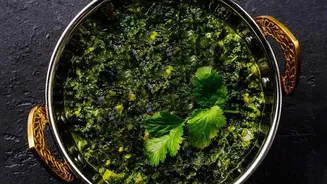
Colocasia leaves, or arbi ke patte, are a true monsoon delicacy, emerging in markets as the rains intensify. These large, heart-shaped leaves require careful preparation, as some varieties can cause throat irritation if not cooked properly, often with a souring agent like tamarind. But the effort is well worth it. In Western India, the leaves are layered with a spiced gram flour paste, rolled, steamed, and then sliced to make patra. These rounds can be eaten as is or shallow-fried for a crispy texture. They are also chopped and used in curries and fritters, offering a unique, earthy taste that is deeply connected to regional culinary traditions.
Jamun (Java Plum)
The arrival of the deep-purple jamun is a sure sign that the monsoon is in full swing. This small, oblong fruit has a unique flavour profile—sweet, slightly sour, and with a distinctly astringent finish that makes your mouth pucker in the most delightful way. Often sold by street vendors in paper cones, jamun is typically eaten fresh, sometimes with a pinch of black salt to balance its flavours. Beyond being a beloved snack, it's valued in traditional medicine for its cooling properties and is rich in antioxidants. The fruit's season is fleeting, lasting from roughly June to September, making it a special treat to be enjoyed while it lasts.
Other Monsoon Staples
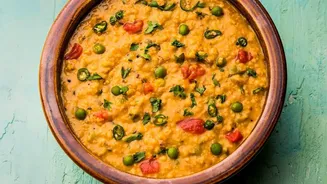
Beyond these highlights, monsoon markets are teeming with other seasonal stars. Look for various gourds like ridge gourd (turai) and bottle gourd (lauki), which are light and easy to digest. Plums and peaches also make a brief but sweet appearance during this time. Many communities forage for wild, edible greens that are believed to boost immunity during the damp season. Warm, freshly cooked meals like khichdi, often made with moong dal and seasoned with digestive spices like ginger and turmeric, become staples in many households, perfectly complementing the weather.