



The Wisdom of Seasonal Eating
The craving for something fried the moment it pours is almost a national reflex. While there’s no denying the soul-soothing power of a crispy bhajiya, our reliance on these heavy snacks often ignores a deeper culinary wisdom. Traditional Indian food science,
including principles from Ayurveda, advises a lighter diet during the monsoon. The logic is simple: the damp, humid weather is believed to slow down our digestive fire, or 'agni'. Heavy, oily, and hard-to-digest foods can lead to sluggishness and indigestion. This is where a treasure trove of regional snacks comes in — dishes that are steamed, roasted, or lightly pan-fried, offering all the comfort with none of the heaviness.
Bhutta: The Ultimate Roasted Delight
Is there a more iconic monsoon image than someone fanning coals by the roadside, roasting corn on the cob? Bhutta is the quintessential monsoon snack for a reason. It's not just about the theatre of it all—the char, the hiss, and the final flourish of lemon juice and masala. Roasted corn is a whole food, packed with fibre that aids digestion. The roasting process brings out its natural sweetness without a single drop of oil, making it a gut-friendly and satisfying choice. It’s warm, savoury, spicy, and tangy all at once, hitting every note a monsoon craving demands.
Moong Dal Cheela: The Protein-Packed Savoury Pancake
If you want something substantial yet light, the moong dal cheela is your answer. Made from a batter of soaked and ground yellow lentils, these savoury pancakes are a staple in North Indian homes. Moong dal is prized in Ayurveda for being one of the easiest lentils to digest. A cheela requires very little oil to cook on a tawa, and it delivers a powerful punch of plant-based protein, keeping you full and energised. You can eat them plain with a side of mint chutney or stuff them with a light filling of grated paneer and vegetables for a more complete, nourishing snack.
Steamed Goodness: Dhokla and Patra
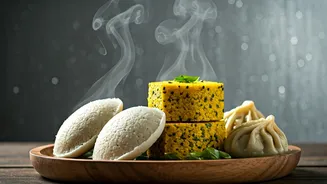
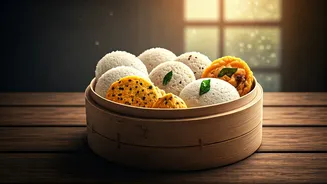
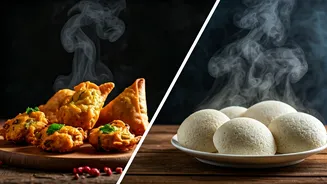
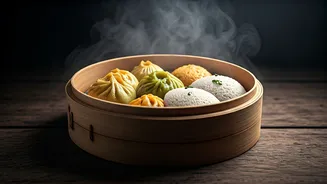
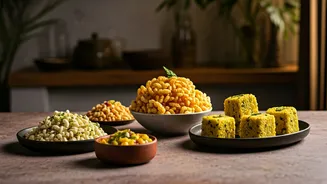
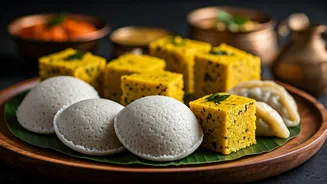
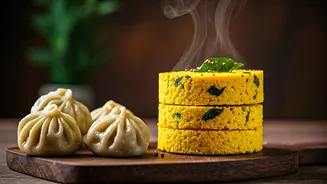
The western states of India have perfected the art of steamed snacks. Gujarati Dhokla, made from a fermented batter of gram flour or rice, is famously light, spongy, and airy. The fermentation process not only gives it a unique tangy flavour but also makes it easier on the stomach. Similarly, Patra (or Aluchi Vadi in Maharashtra) is a masterful creation where colocasia leaves are slathered with a spiced gram flour paste, rolled, and steamed. They are then sliced and sometimes lightly tempered. Both snacks rely on steam, not oil, as their primary cooking method, embodying the principle of light eating for the rainy season.
Shakarkandi ki Chaat: The Healthier Chaat
Chaat is a monsoon must-have, but the typical street-side version can be a gamble during a season when water-borne illnesses are common. Enter shakarkandi (sweet potato) ki chaat. Sweet potatoes are a nutritional powerhouse, rich in fibre and vitamins. For this chaat, they are boiled or roasted, cubed, and then tossed with chaat masala, lemon juice, tamarind chutney, and maybe some chopped onions and pomegranate seeds. It’s warm, comforting, and gives you that beloved sweet-sour-spicy chaat experience without any deep-frying or questionable ingredients.
Spiced Fruit Chaat: The Simplest Treat
Sometimes the simplest ideas are the best. During the monsoon, when the body craves refreshment, a simple fruit chaat can be incredibly satisfying. It’s a smart way to get your vitamins and stay hydrated. The key is to use seasonal fruits like apples, pears, and pomegranates, which are crisp and hold their shape well. A generous sprinkle of black salt (kala namak) and chaat masala is non-negotiable. This magical combination elevates the flavour of the fruit, aids digestion, and provides a much healthier alternative to processed, sugary desserts.