





The Allure of the Monsoon
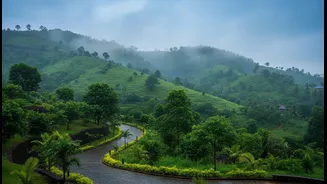
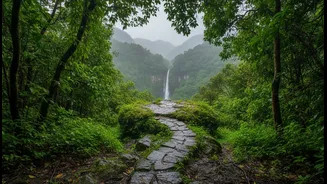
For the average tourist, a forecast of rain means a ruined holiday. For the slow traveller, it’s the very reason to visit. During the monsoon, which typically lasts from June to September, the Western Ghats transform. Coorg in Karnataka and Wayanad in Kerala
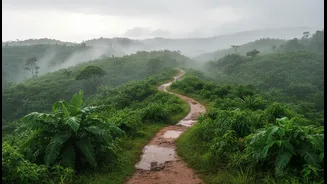
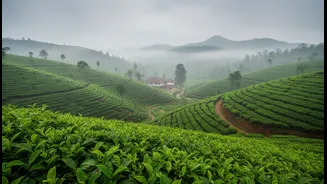
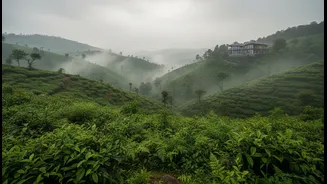
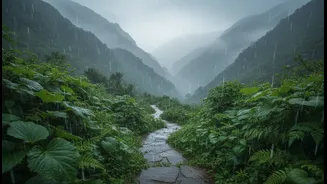
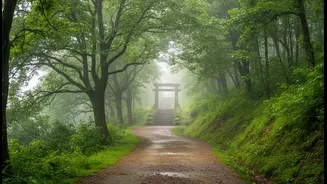
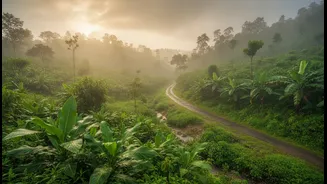
shed their dry-season dust and burst into countless shades of impossible green. The landscape becomes a living watercolour painting, wrapped in a thick blanket of fog and mist. Waterfalls that were mere trickles in summer roar back to life, their sound echoing through the valleys. This isn’t a backdrop for a hectic sightseeing schedule; it is the entire experience. The sensory appeal is overwhelming: the cool, crisp air; the earthy fragrance of wet soil mixed with coffee blossoms; and the rhythmic drumming of rain on a tin roof create a deeply calming atmosphere that encourages you to pause and simply be.
A Philosophy of Depth Over Distance
Slow travel is the antidote to the checklist-driven vacation. It’s a mindset that prioritises connection over consumption, depth over distance, and meaningful experiences over a blur of landmarks. This philosophy finds its perfect partner in the monsoon. The rain naturally enforces a slower pace. It discourages frantic travel between viewpoints and instead invites you to linger. The goal is no longer to 'see' everything but to 'feel' one place deeply. This trend has gained significant traction in India, where travellers are increasingly seeking authentic escapes from fast-paced urban life. Rather than returning from a trip more exhausted than they left, they seek genuine rest and connection—with nature, local culture, and themselves.
The Cocoon of an Estate Stay
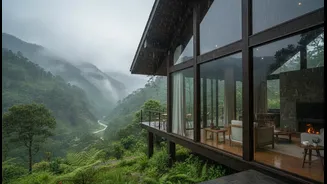
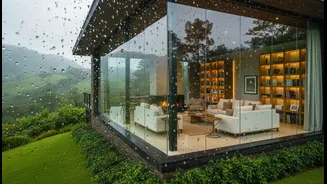
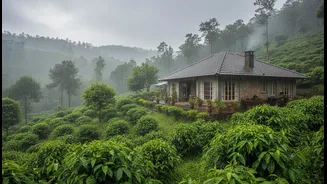
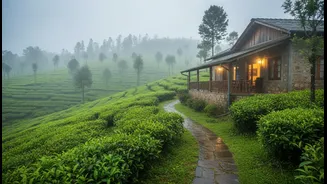
The choice of Wayanad and Coorg is intentional, not just for their beauty but for their unique accommodation: the estate stay. These regions are the heart of India's coffee and spice country, and many historic plantations have opened their doors to guests. Staying in a heritage bungalow or a modern villa nestled within a sprawling coffee estate offers a level of immersion that a standard hotel cannot match. Wide, covered verandas become front-row seats to the monsoon drama. Days are spent reading by a large window overlooking the rain-lashed greenery, sipping on freshly brewed coffee grown just metres away, and enjoying home-cooked meals often prepared with produce from the estate itself. It’s a cosy, cocoon-like existence, where the outside world feels miles away.
An Itinerary of Quiet Pursuits
What does one do on a slow-travel holiday in the rain? The itinerary is one of deliberate 'un-busyness'. Mornings are for watching the mist drift through the valleys. When the rain subsides, it’s time for a walk through the plantation, where rain-washed leaves glisten and the air is thick with the scent of spices. Many estates offer guided walks where you can learn about coffee cultivation or spot endemic birds that become more active during this season. The monsoon is also considered the best time for Ayurvedic treatments, as the cool, moist air is believed to make the body more receptive to therapies. Evenings are for quiet conversation, board games, or simply listening to the symphony of the forest, punctuated by the croaking of frogs and the chirping of insects.
The Practical Perks of the Off-Season
Beyond the romantic appeal, choosing the monsoon season has tangible benefits. As it's considered the 'off-season' for mainstream tourism, both Wayanad and Coorg are significantly less crowded. This means no long queues at attractions and a more peaceful, personal experience. Accommodation, from luxury resorts to charming homestays, is often available at a fraction of the peak-season price, offering better value for money. This quieter period allows for more authentic interactions with locals and a deeper sense of connection to the place. For the slow-travel enthusiast, it’s the ultimate reward: experiencing a popular destination in its most tranquil and authentic state.